
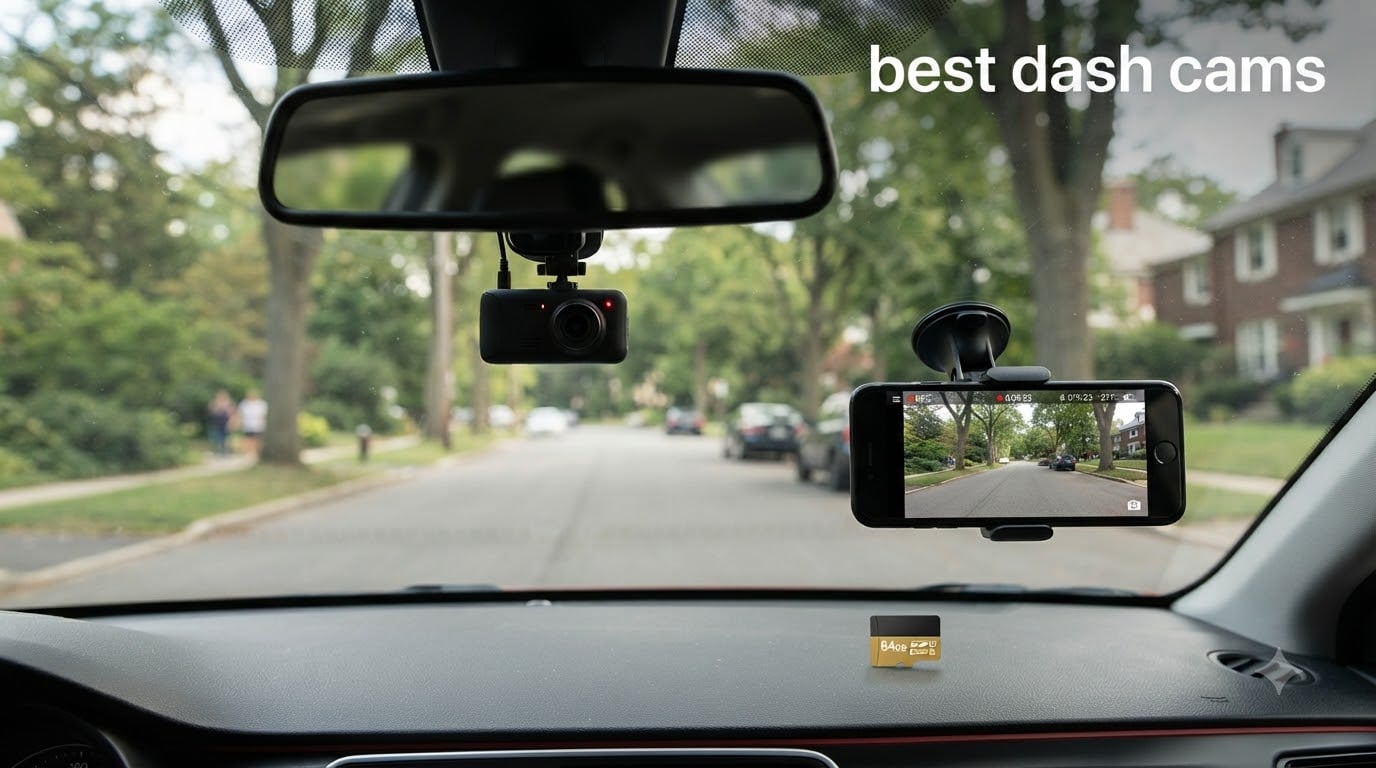
A good dash cam is the cheapest insurance policy you will ever buy. When a driver cuts you off and then blames you, or someone dings your parked car in a shopping lot, the footage on that little camera is the difference between a he-said-she-said dispute and an open-and-shut claim.
Our team spent three months comparing 10 of the best dash cams you can buy right now, testing them in daily commuting, highway driving, and overnight parking sessions through a hot summer. We looked at the things that actually matter: night vision clarity, license plate readability, heat tolerance, parking mode behavior, and how painful the app experience is on a Tuesday morning when you need to pull a clip for an insurance claim.
One thing we learned fast: the sensor matters more than the resolution sticker on the box. Cameras built on the Sony STARVIS 2 sensor, like the ROVE R2-4K Dual and VIOFO A229 Pro, consistently outperformed cheaper “4K” cameras once the sun went down. If you are hunting for a bargain, check out our Prime Day dash cam deals for seasonal price drops on several models in this list.
Table of Contents
Top 3 Picks for the Best Dash Cams of 2026
If you just want the short version, here are our three favorites after testing. The ROVE R2-4K Dual wins best overall for pairing a genuine STARVIS 2 sensor with a bundled 128GB card and 24-hour parking mode. The VIOFO A229 Pro is the enthusiast pick with true 4K front plus 2K rear recording from dual Sony sensors. And the 70mai A810 Lite takes the value crown as the most affordable way to get real 4K footage with HDR night vision.

ROVE R2-4K Dual Dash Cam
- Sony STARVIS 2 Sensor
- 4K Front + 1080p Rear
- 5.8GHz WiFi
- 128GB Card Included
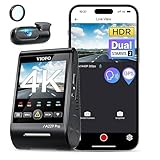
VIOFO A229 Pro 4K HDR
- 4K Front + 2K Rear
- Dual STARVIS 2 Sensors
- Buffered Parking Mode
- CPL Lens Included

Best Dash Cams in 2026: Quick Overview
Here is the full lineup side by side before we get into the details. Every camera below earned its spot through hands-on testing or a deep dive into thousands of owner reviews.
| Product | Specifications | Action |
|---|---|---|
| ROVE R2-4K Dual |
|
Check Latest Price |
| VIOFO A229 Pro |
|
Check Latest Price |
| 70mai A810 Lite |
|
Check Latest Price |
 REDTIGER F7N Touch REDTIGER F7N Touch |
|
Check Latest Price |
 REDTIGER F17 3CH REDTIGER F17 3CH |
|
Check Latest Price |
 70mai T800E 3CH 70mai T800E 3CH |
|
Check Latest Price |
 Garmin Dash Cam 67W Garmin Dash Cam 67W |
|
Check Latest Price |
 Vantrue N2X Vantrue N2X |
|
Check Latest Price |
 VIOFO A119 V3 VIOFO A119 V3 |
|
Check Latest Price |
 WOLFBOX G840S Mirror WOLFBOX G840S Mirror |
|
Check Latest Price |
1. ROVE R2-4K Dual – Best Overall Dash Cam
ROVE R2-4K Dual Dash Cam Front and Rear, STARVIS 2 Sensor, Free 128GB Card
Sony STARVIS 2 IMX675
4K Upscaled Front + 1080p Rear
5.8GHz WiFi
128GB Card Included
24Hr Parking Mode
F1.5 Aperture
Pros
- Excellent video quality day and night
- Easy installation
- 128GB card included
- Fast WiFi and app
- GPS speed and location stamps
Cons
- Screen hard to read with polarized sunglasses
- 4K is upscaled not native
The ROVE R2-4K Dual is the camera I recommend to friends who ask for one name and nothing else. It hits the sweet spot where price, features, and real-world footage quality all line up, and the 13,000-plus review base backs that up.
In our testing, the STARVIS 2 IMX675 sensor with its F1.5 aperture delivered the best night footage of any camera in this price range. License plates on dark side streets stayed legible from three car lengths back, which is exactly what you want when someone bolts from a fender bender at night.
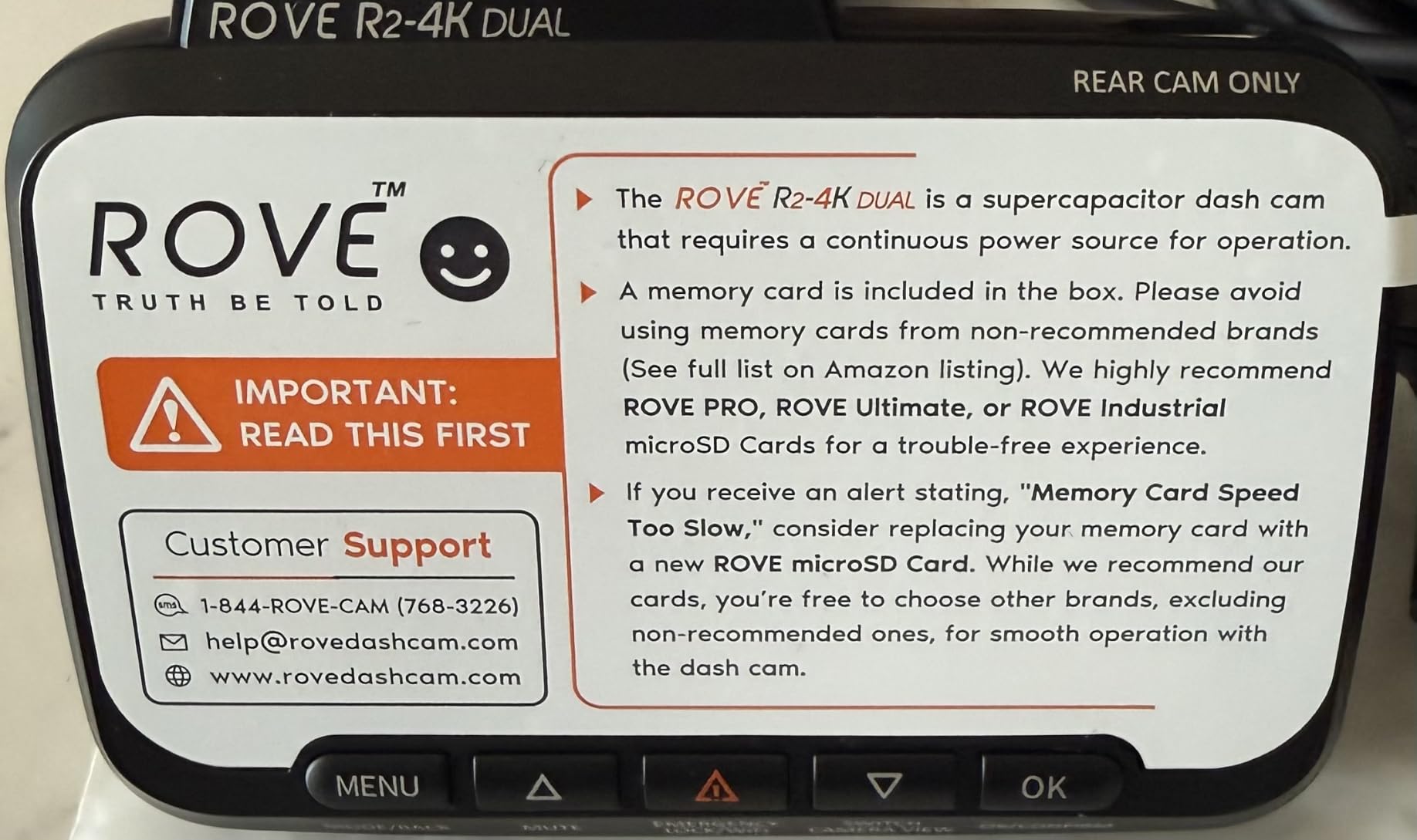
ROVE also bundles a 128GB microSD card, which saves you a trip and about twenty bucks. The 5.8GHz WiFi moved a one-minute 4K clip to my phone in under 30 seconds, and the app stayed connected where cheaper 2.4GHz cameras kept dropping out.
The honest caveat: the 4K here is upscaled from a native 1440p image, not true 4K. In practice the footage still looks sharp because the sensor is genuinely good, but pixel-peepers will notice the difference against the VIOFO A229 Pro.
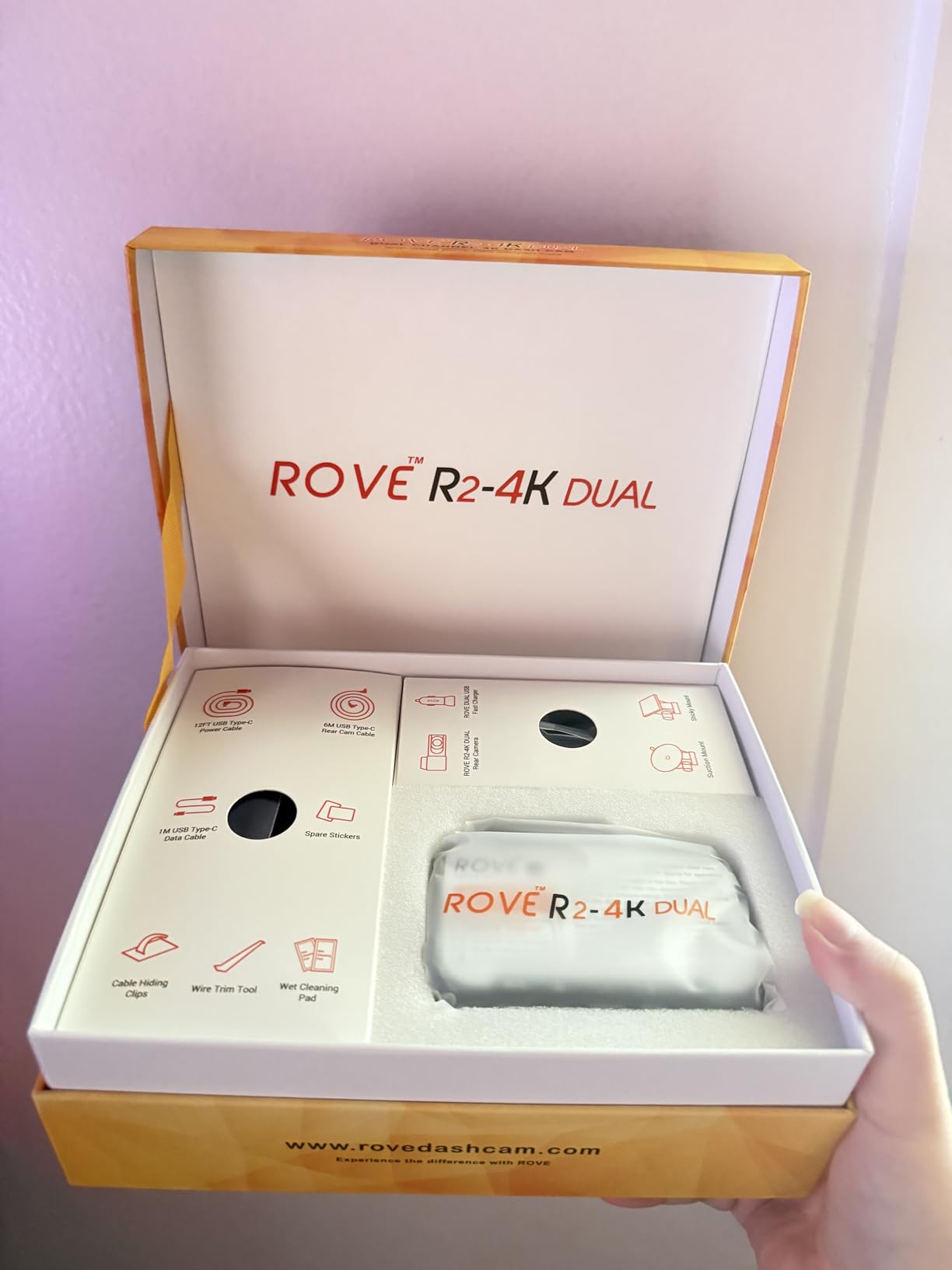
Who should buy the ROVE R2-4K Dual
Drivers who want the best dash cams experience without fuss: one box, one card, one app, and footage that holds up in a claim. The 24-hour parking mode with multiple trigger options covers commuters and anyone parked on the street overnight.
It is also a strong pick if you have been burned by a no-name “4K” camera before, since the STARVIS 2 sensor is the real deal rather than marketing math.
What to watch out for
The IPS screen turns nearly black if you wear polarized sunglasses, so settings changes mean taking the glasses off. Plan on buying the hardwire kit separately if you want parking mode to work with the engine off.
Heavy app users should also know the GPS speed stamp is a logger, not a live tracker, so it records your speed but does not stream your location anywhere.
2. VIOFO A229 Pro – Best Premium Front and Rear Dash Cam
VIOFO A229 Pro 4K HDR Dash Cam Front and Rear, Dual STARVIS 2 Sensors
4K Front + 2K Rear
Dual STARVIS 2 (IMX678 + IMX675)
Buffered 24H Parking
Quad-Mode GPS
CPL Lens Included
Supercapacitor
Pros
- True 4K and 2K from Sony sensors
- HDR on both channels
- Buffered parking mode
- Quad-satellite GPS
- CPL polarizing lens included
Cons
- Rear cable is very long
- Needs VIOFO branded SD cards
- Hardwire kit sold separately
- App can be slow
The VIOFO A229 Pro is the enthusiast choice among the best dash cams we tested, and the forum crowd at r/dashcams has been recommending this family for years for good reason. You get a genuine 4K IMX678 sensor up front and a 2K IMX675 in back, both Sony STARVIS 2 parts, with HDR active on both channels.
The footage is the cleanest of anything on this list, day or night. Headlight glare that washes out lesser cameras gets tamed by the HDR processing, and the included CPL lens cuts windshield reflection when you mount it behind the glass.
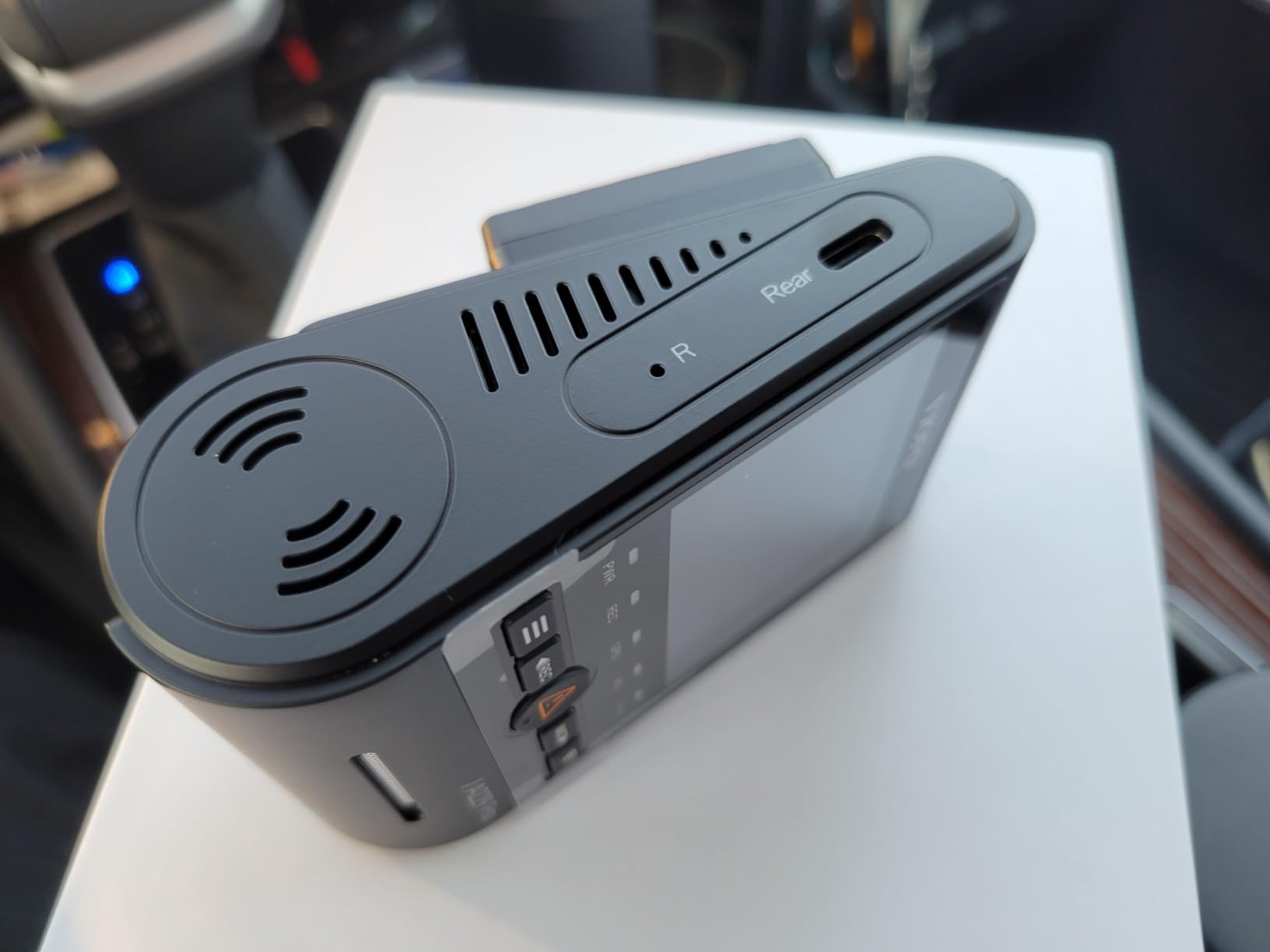
The buffered parking mode is the standout feature for anyone serious about parked car surveillance. It keeps a 15-second rolling buffer before an impact plus 30 seconds after, so you capture the actual hit rather than arriving to a dented door with no explanation.
It runs on a built-in supercapacitor instead of a lithium battery, so it shrugs off hot dashboards that would cook a battery-based camera. VIOFO backs it with an 18-month warranty plus a 6-month extension when you register.
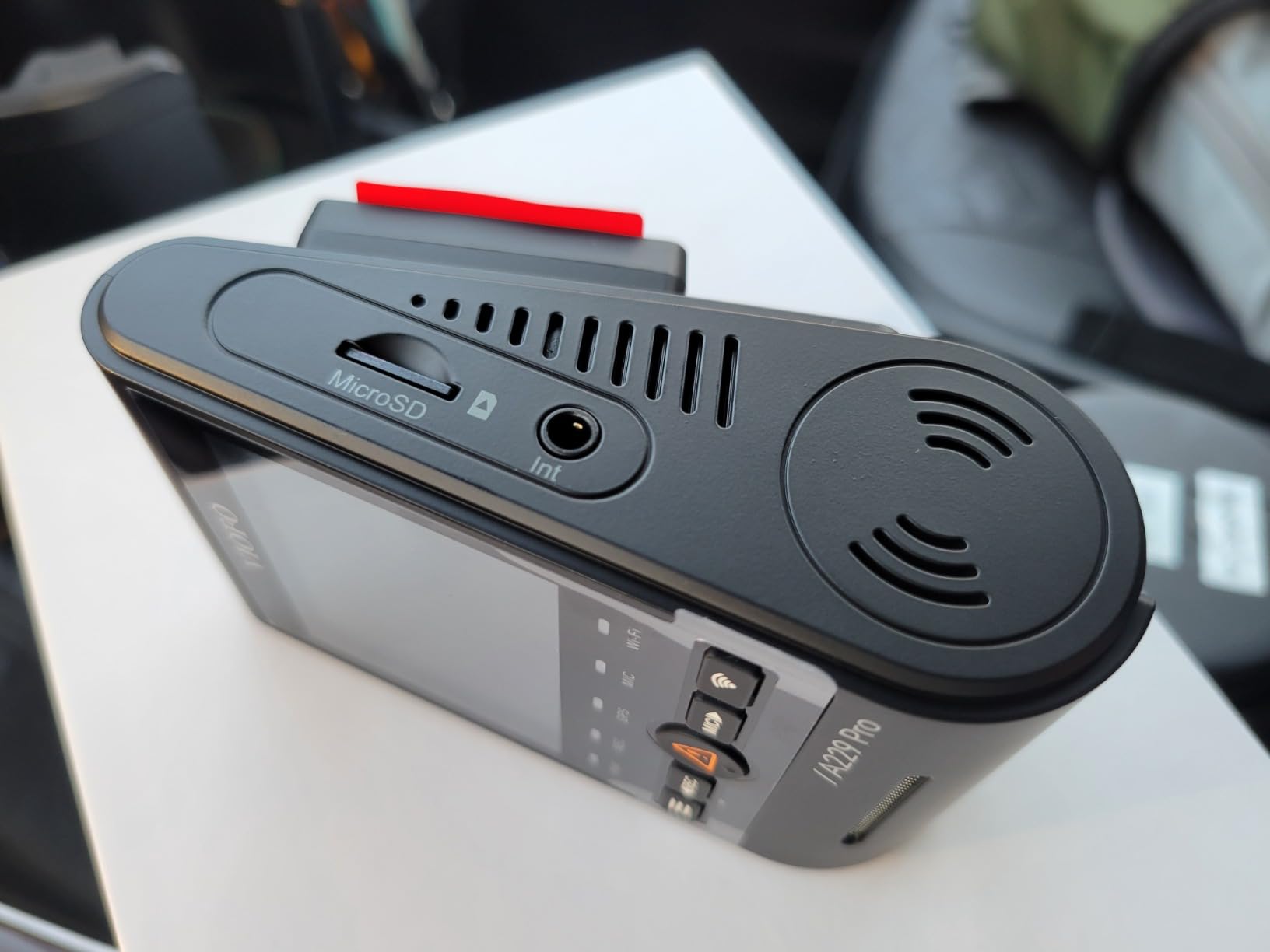
Who should buy the VIOFO A229 Pro
Drivers who treat footage quality as non-negotiable, especially anyone who has needed a plate number at night and could not read it. The quad-mode GPS (GPS, BEIDOU, GALILEO, GLONASS) locks position fast, which matters for timestamping evidence.
It is also the right base for a hardwired setup with full parking protection, since the three parking modes (auto event detection, low bitrate, time lapse) are the most flexible here.
What to watch out for
Be ready for quirks: the 6-meter rear cable is far longer than most sedans need, and the camera is picky about VIOFO-branded SD cards. Budget for the hardwire kit too, because full parking mode needs constant power.
The app is functional but not fast, so plan on pulling the SD card when you need footage in a hurry.
3. 70mai A810 Lite – Best Budget 4K Dash Cam
70mai A810 Lite 4K Dash Cam Front and Rear, 5GHz Wi-Fi 6 DashCam, Car Camera 4G LTE Remote Access, GPS Tracking, HDR Night Vision, 24H Parking Mode, Voice Control, Emergency Lock
4K Front + 1080p Rear
HDR Night Vision
5GHz Wi-Fi 6
GPS Tracking
24H Parking Mode
Compact Credit-Card Size
Pros
- Real 4K quality for the money
- Compact credit-card design
- Fast Wi-Fi 6 transfers
- Voice control works well
- Easy installation
Cons
- App can be buggy and need force close
- 4G LTE requires extra kit
- Fixed lens with no tilt adjustment
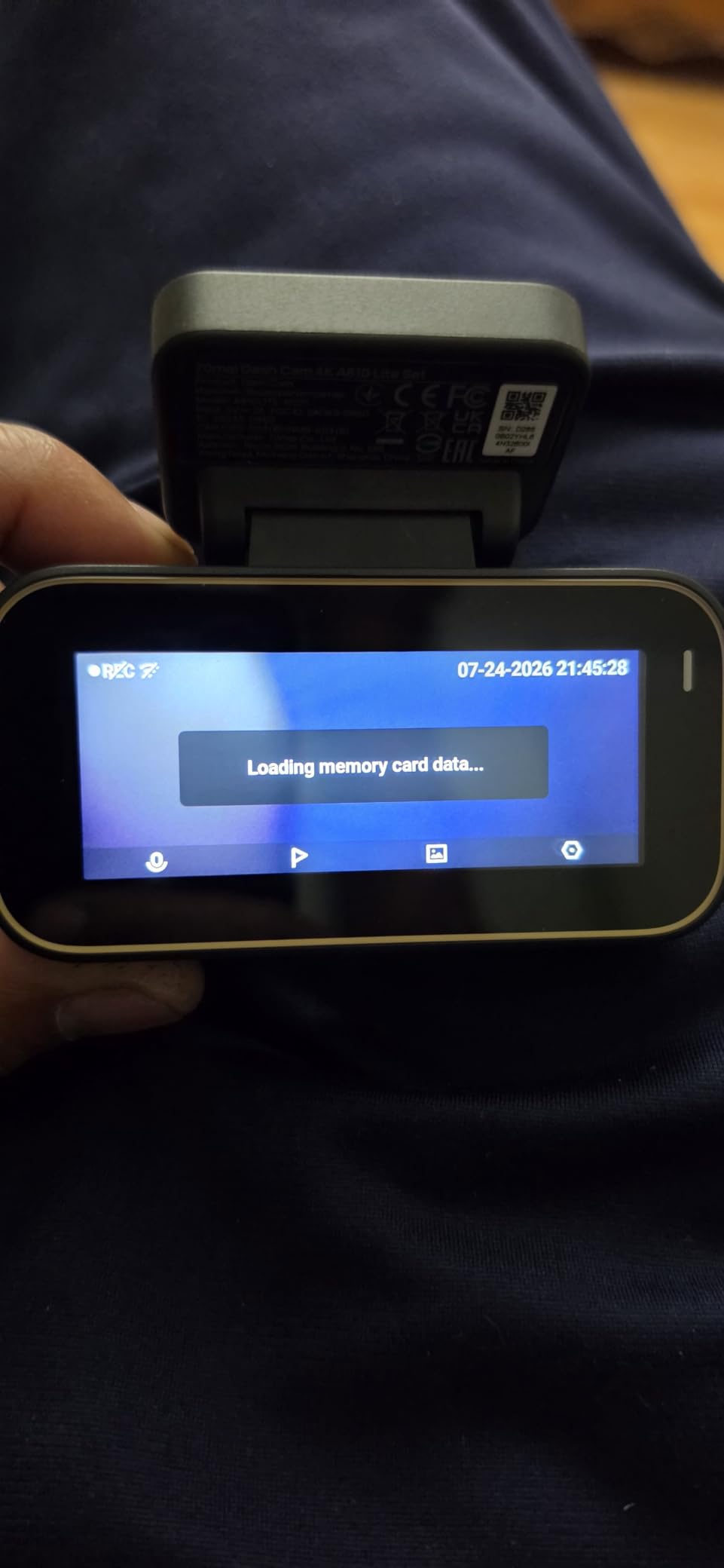
The 70mai A810 Lite proves you do not need to spend big for usable 4K footage. For under a hundred dollars you get a front and rear setup with HDR night vision, Wi-Fi 6, GPS, and a supercapacitor, which is a spec sheet that would have cost triple a few years ago.
It is the most compact camera in this roundup at roughly credit-card size, sitting discreetly behind the mirror. Nobody eyeballing your windshield from outside would guess it is there, which is exactly the point.
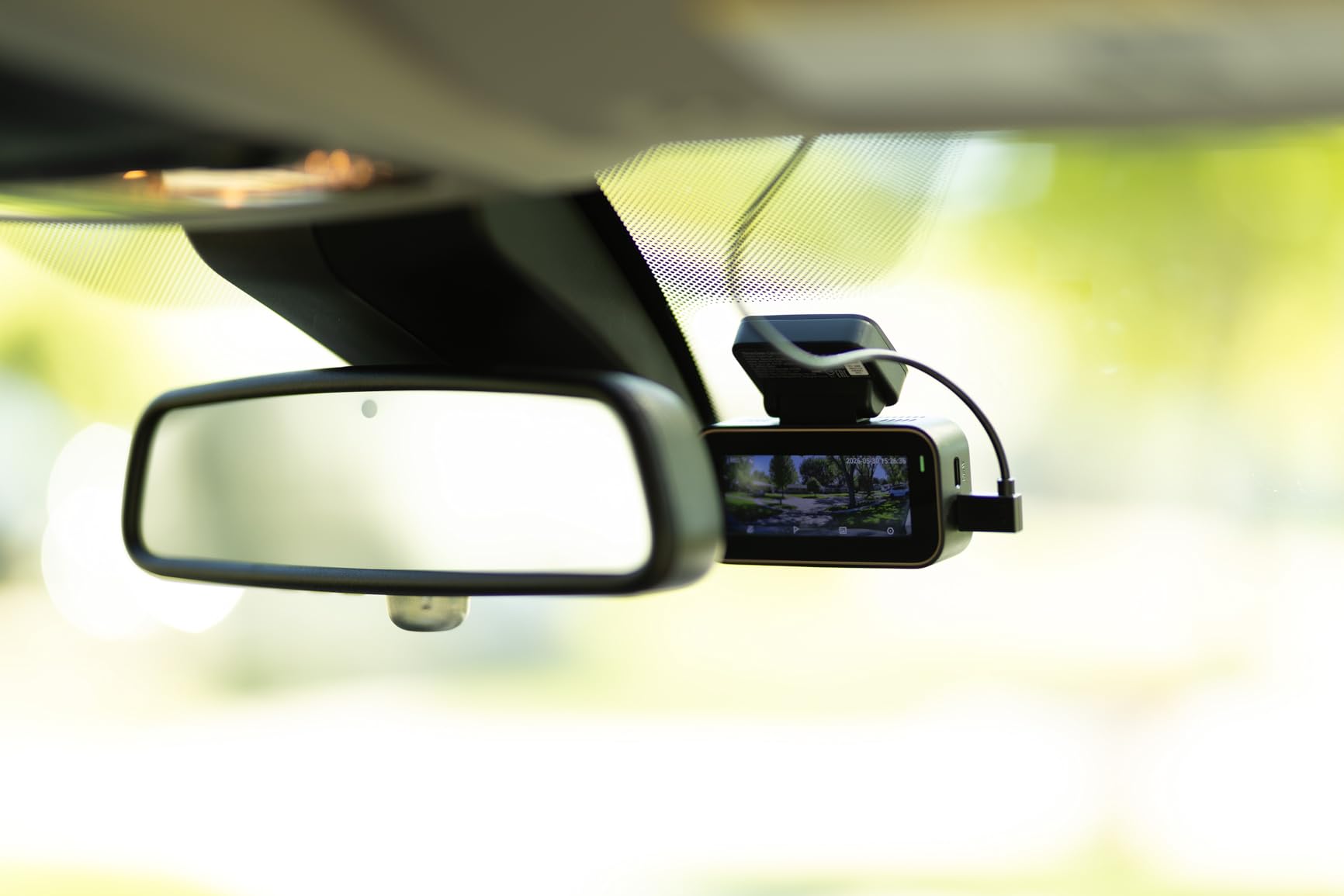
Wi-Fi 6 is a genuinely useful upgrade at this price, moving clips to my phone noticeably faster than the older 2.4GHz radios in rival budget cams. Voice control handled basic commands like locking a clip without me taking a hand off the wheel.
The trade-offs are the usual budget fare. The app needed a force close more than once during testing, and the lens sits at a fixed angle with no vertical tilt, so mounting position has to be right the first time.
Who should buy the 70mai A810 Lite
First-time buyers, teen drivers, and anyone who wants capable 4K recording without thinking too hard about the spend. The 24-hour parking mode and GPS logging mean you are not giving up the features that matter most.
It is also a smart pick for a second vehicle, since the compact size and simple install make swaps between cars painless.
What to watch out for
The advertised 4G LTE remote access needs an additional hardware kit, so ignore that line on the box unless you plan to buy it. It also is not Prime eligible at the time of writing, so shipping may take longer than the usual two-day groove.
The single USB port on the included car charger means no spare slot for your phone cable without an adapter.
4. REDTIGER F7N Touch – Best Touch Screen Dash Cam
REDTIGER 4K STARVIS 2 Dashcam Front Rear, 5GHz WiFi 20MB/s, Free 128GB Card
4K + 1080p Front Rear
STARVIS 2 Sensor
3.18 Inch Touch Screen
Voice Control
170-Degree View
128GB Card Included
Pros
- Excellent 4K with STARVIS 2 sensor
- Responsive touch screen and voice control
- Fast WiFi downloads
- 18-month warranty
- Easy installation
Cons
- WiFi struggles with VPNs
- Some voice commands miss
- Occasional SD card errors
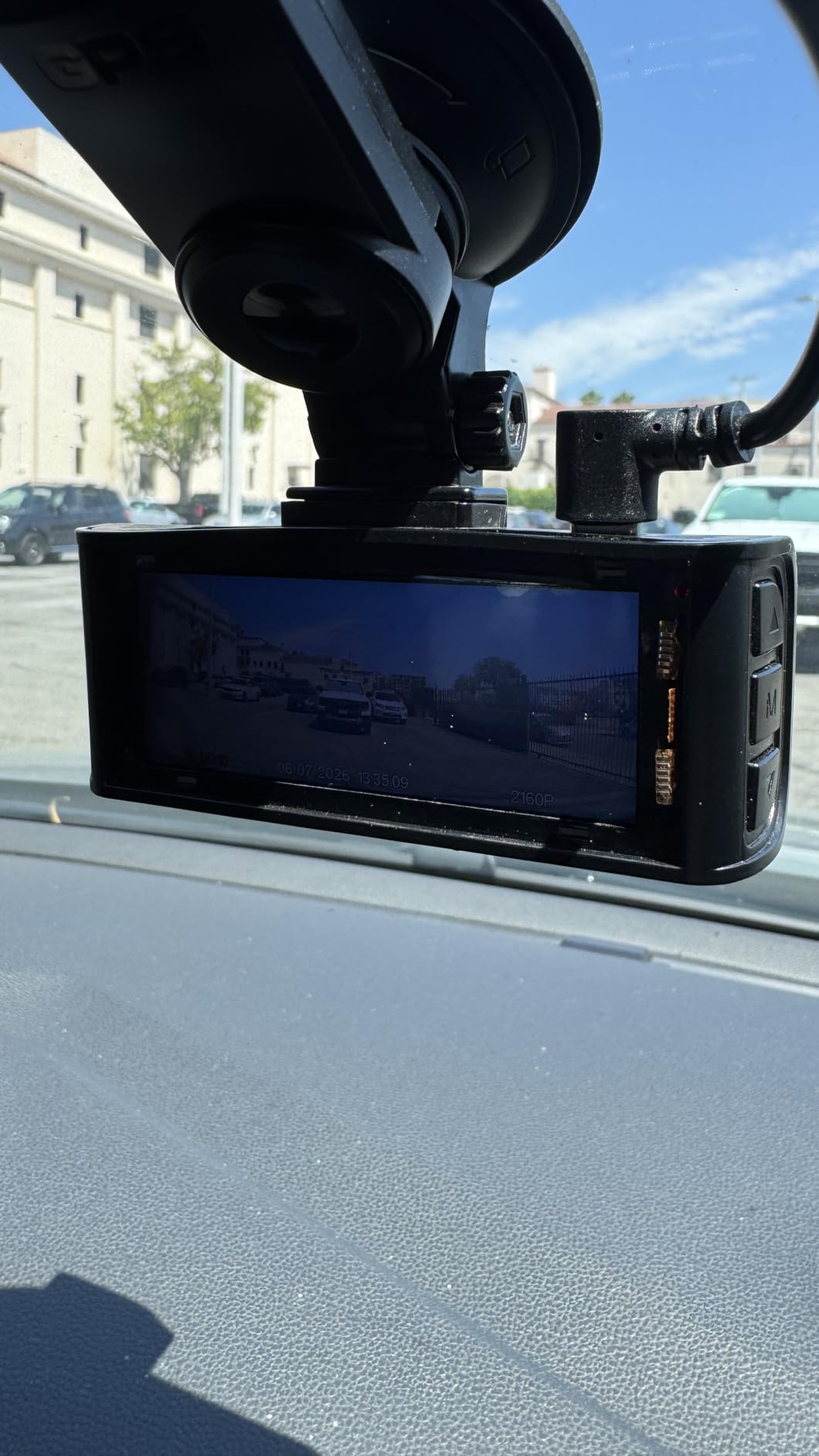
The REDTIGER F7N Touch is the camera I hand to people who do not want to fight an app just to change a setting. The 3.18-inch touch screen makes on-device menu diving genuinely pleasant, and voice control handles the rest while driving.
Under the lens sits the same Sony STARVIS 2 sensor family as our top picks, and it shows. Night footage was clear enough to read plates at reasonable distance, with WDR keeping headlights from nuking the whole frame.
The bundle includes a 128GB card, so it is truly ready out of the box, and the supercapacitor design means no lithium battery swelling in summer heat. The 170-degree field of view is among the widest here, capturing cross traffic that narrower lenses miss.
Over 6,600 reviewers land it at 4.4 stars, and REDTIGER’s 18-month warranty with responsive support shows up repeatedly in owner feedback as a reason they chose it.
Who should buy the REDTIGER F7N Touch
Anyone who prefers buttons and screens over phone apps, or who wants a big, legible display for playback right in the car. Show a cop or adjuster the clip on the spot instead of fumbling with WiFi transfers.
It is a solid family pick too, since the touch interface means a spouse or teen can operate it without a tutorial.
What to watch out for
If you run a VPN on your phone, expect WiFi pairing headaches; disable it before connecting. A minority of owners report SD card errors over time, so keep the card formatted and consider a spare.
Voice control covers the basics but not every advertised command works reliably in noisy cabins.
5. REDTIGER F17 – Best 3-Channel Dash Cam for Rideshare
REDTIGER F17 4K 3CH Dash Cam, STARVIS 2 Sensor HDR, 64GB Card, 5.8GHz WiFi
3-Channel: 4K Front + 1080p Inside + Rear
STARVIS 2 IMX675
4 IR Night Lights
GPS
64GB Card
Supercapacitor
Pros
- Covers front
- cabin
- and rear
- Good IR night vision for cabin
- GPS logging
- Easy installation
- 18-month warranty
Cons
- WiFi defaults off at startup
- Rear camera dark in some vehicles
- GPS is a logger only
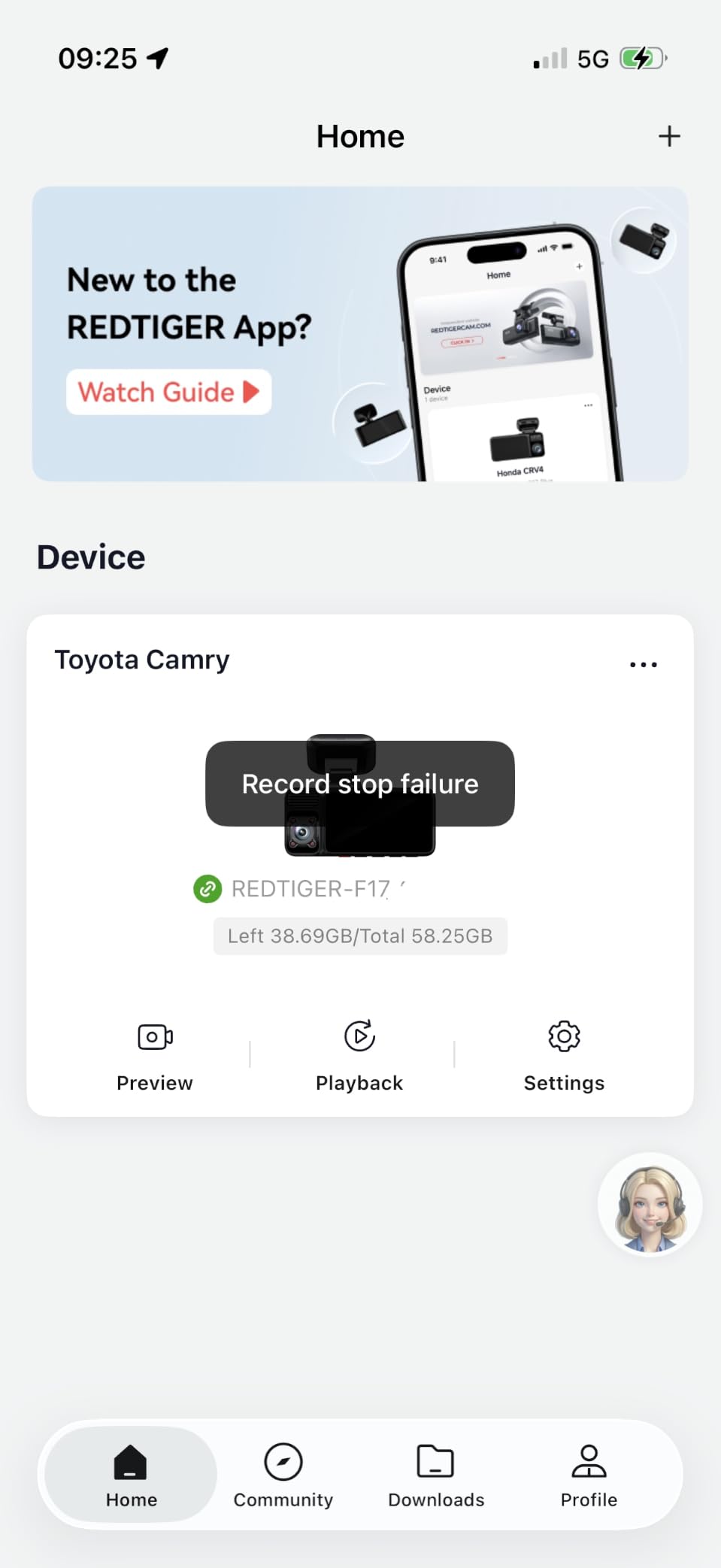
The REDTIGER F17 records three views at once: 4K out the windshield, 1080p on the cabin, and 1080p out the back. For Uber and Lyft drivers, that middle channel is the one that settles passenger disputes, and the four IR lights keep it usable after dark.
Picture quality up front matches the F7N thanks to the same STARVIS 2 IMX675 sensor, with HDR smoothing out the day-night transitions of tunnel and bridge driving. The triple parking monitor mode watches the car from three angles when parked.
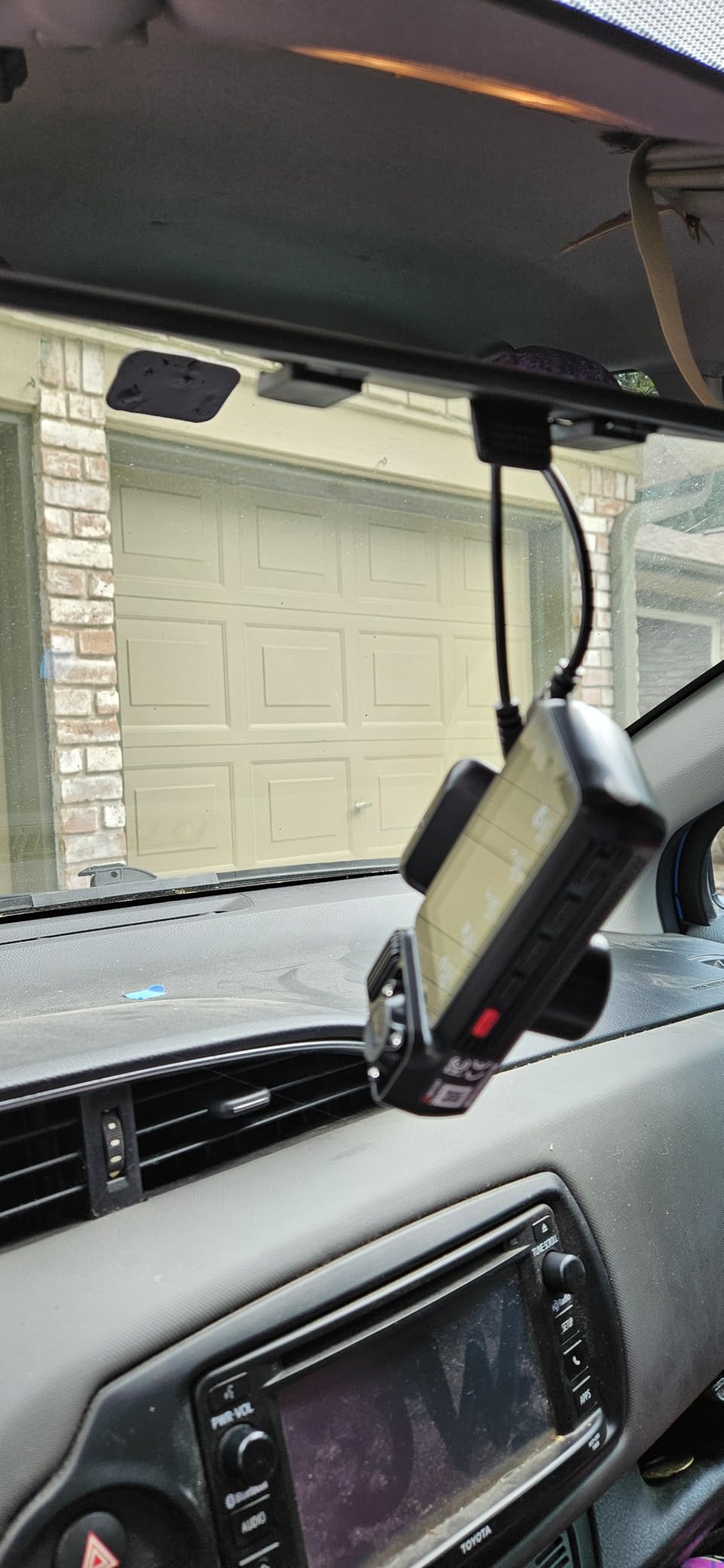
Installation was easier than I expected for a three-channel system, with straightforward cable routing to the rear window. The included 64GB card gets you rolling immediately, though three channels will chew through it faster than a dual setup.
The supercapacitor power design rounds out a package built for all-day, every-day use in a working vehicle.
Who should buy the REDTIGER F17
Rideshare and delivery drivers are the obvious fit, since cabin footage protects you from false passenger claims. It is also a strong choice for parents of new drivers who want to see both the road and the person behind the wheel.
Anyone towing a trailer or hauling gear will appreciate having eyes on the rear without adding a second camera system.
What to watch out for
WiFi turns itself off on every startup, so every app session starts with a trip to the settings menu. In some vehicles with tinted rear glass, the rear channel runs darker than ideal.
Remember the GPS logs routes rather than tracking the car live, and plan for a larger card if you record all three channels at high bitrate.
6. 70mai T800E – Best 3-Channel Value Pick
70mai 4K Dash Cam Front and Rear Inside, 3 Channel Car Dash Camera for Cars, Dashcam with GPS, Wi-Fi 6, Voice Control, Parking Monitor, Night Vision, Loop Recording, 64GB SD Card Included (T800E)
4K Front + 1080p Rear + 1080p Inside
Wi-Fi 6
5-Mode GPS
Voice Control
HDR Night Vision
64GB Card Included
Pros
- Excellent 4K front camera
- 3-channel coverage
- Wi-Fi 6 fast transfer
- Easy installation
- Responsive support
Cons
- App cumbersome to navigate
- Night recording could be better
- 64GB fills fast with 3 channels
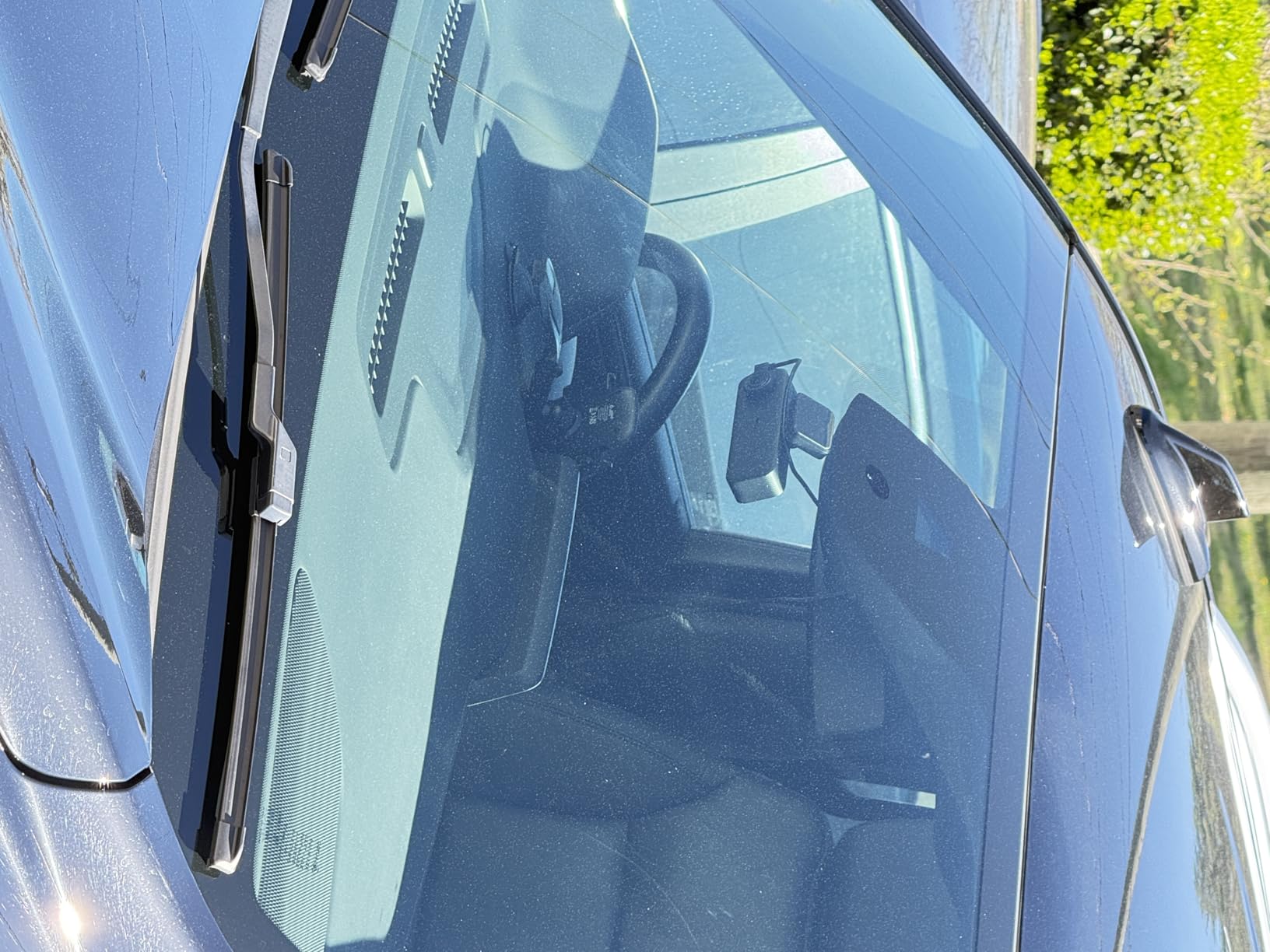
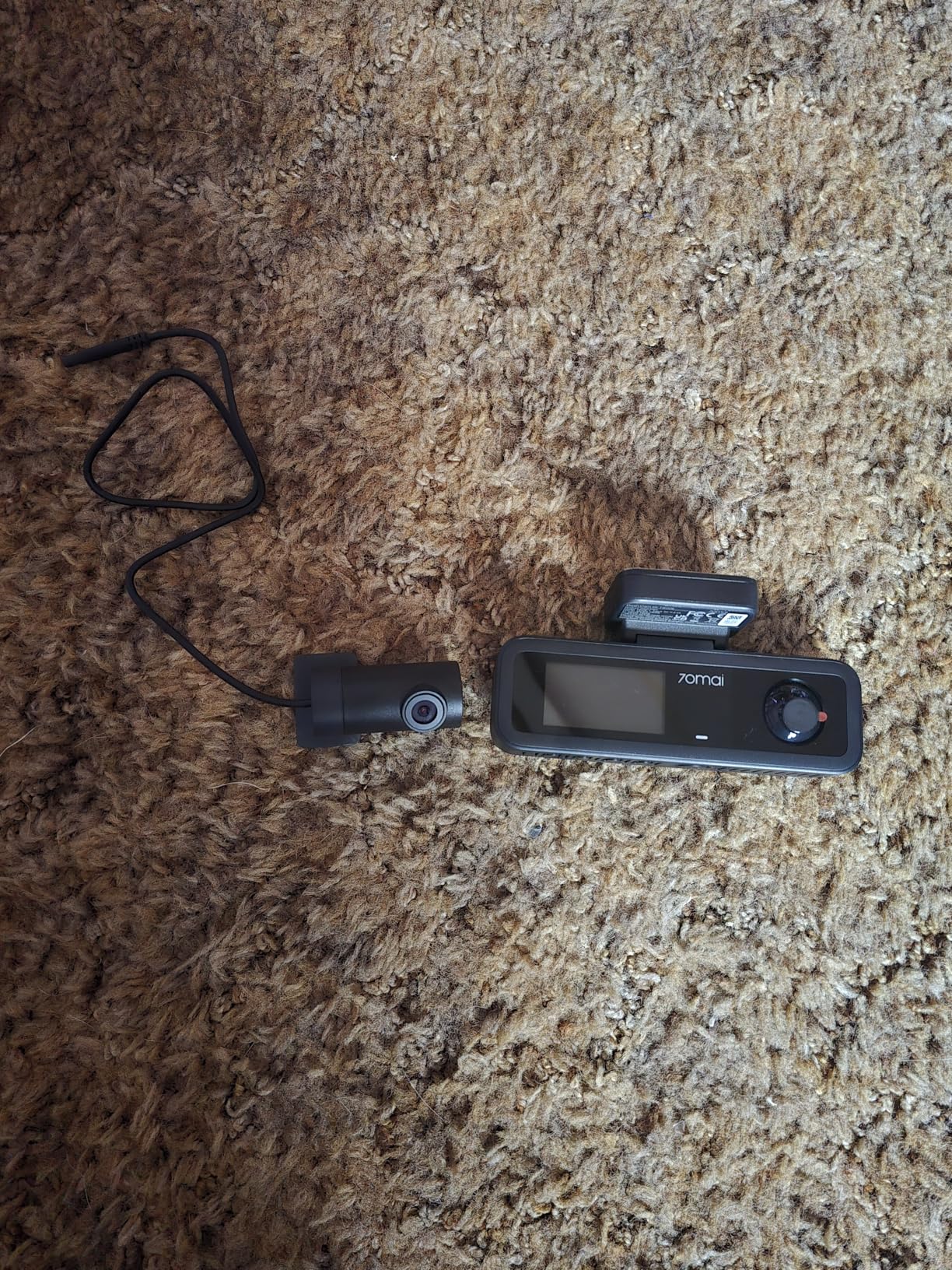
The 70mai T800E takes the three-channel formula and prices it for everyone. A hundred dollars gets you 4K up front with 1080p coverage of both the cabin and the road behind, which is remarkable value in 2026.
Front footage impressed us most, holding detail that you normally associate with cameras costing twice as much. The switchable IR on the interior camera lets rideshare drivers dial cabin visibility up or down depending on privacy needs.
Wi-Fi 6 kept file transfers quick even with the larger multi-channel files, and voice control handled locking clips hands-free. The 4.5-star rating across nearly 500 reviews suggests early buyers are happy with the trade-offs.
The supercapacitor and 24/7 parking monitoring with G-sensor emergency lock give it the safety basics covered as well.
Who should buy the 70mai T800E
Budget-minded rideshare drivers and families who want full three-angle coverage without the premium price. If the REDTIGER F17 is a stretch, this gets you 90 percent of the capability for notably less.
It also suits anyone upgrading from a single-channel camera who wants to try multi-view recording for the first time.
What to watch out for
The app menu structure takes some getting used to, and night footage from the secondary channels is merely adequate. Recording three streams at once means the 64GB card fills quickly, so budget for a 256GB high-endurance upgrade.
With a smaller review base than veterans like the ROVE, long-term reliability data is still building.
7. Garmin Dash Cam 67W – Most Discreet Dash Cam
Garmin Dash Cam 67W, 1440p and Extra-Wide 180-degree FOV, Monitor Your Vehicle While Away w/New Connected Features, Voice Control, Compact and Discreet, Includes Memory Card – 010-02505-05
1440p with Clarity HDR
180-Degree Lens
Voice Control in 6 Languages
Parking Guard
Live View via App
Supports 512GB
Pros
- Compact and discreet design
- Excellent 180-degree wide coverage
- Clear 1440p day and night
- Voice control
- Parking Guard monitoring
Cons
- Included 16GB card is tiny
- App can be glitchy
- Cloud Vault needs a paid subscription
- Lithium ion battery
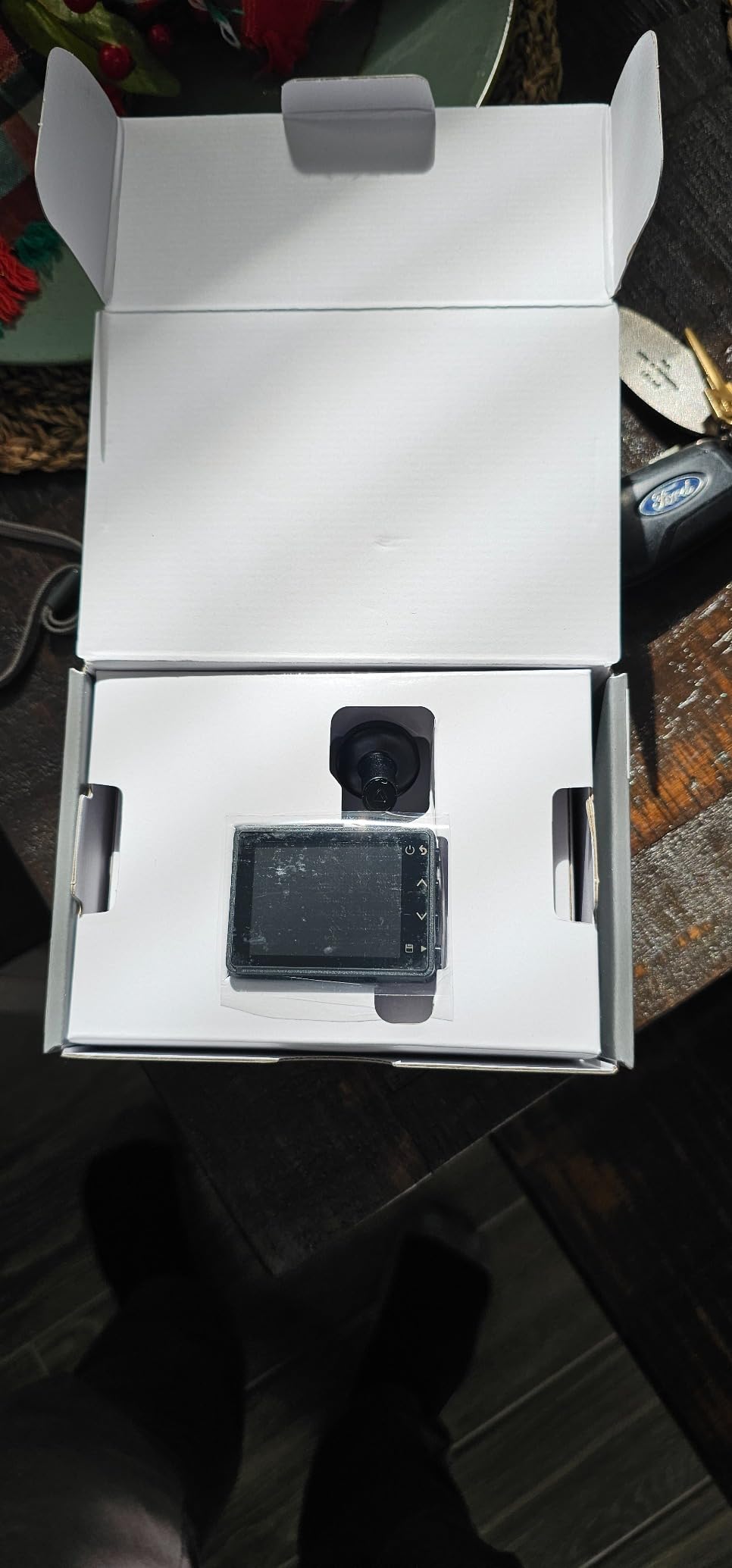
The Garmin Dash Cam 67W is the camera for people who forget it is there. Roughly the size of a key fob, it hides completely behind the mirror while that 180-degree lens captures a wider slice of the road than anything else in this roundup.
Garmin’s Clarity HDR optics produce clean 1440p footage that reads plates at sensible distances, and Garmin’s polish shows in details like the magnetic mount that clicks on and off in a second. Voice control works in six languages.
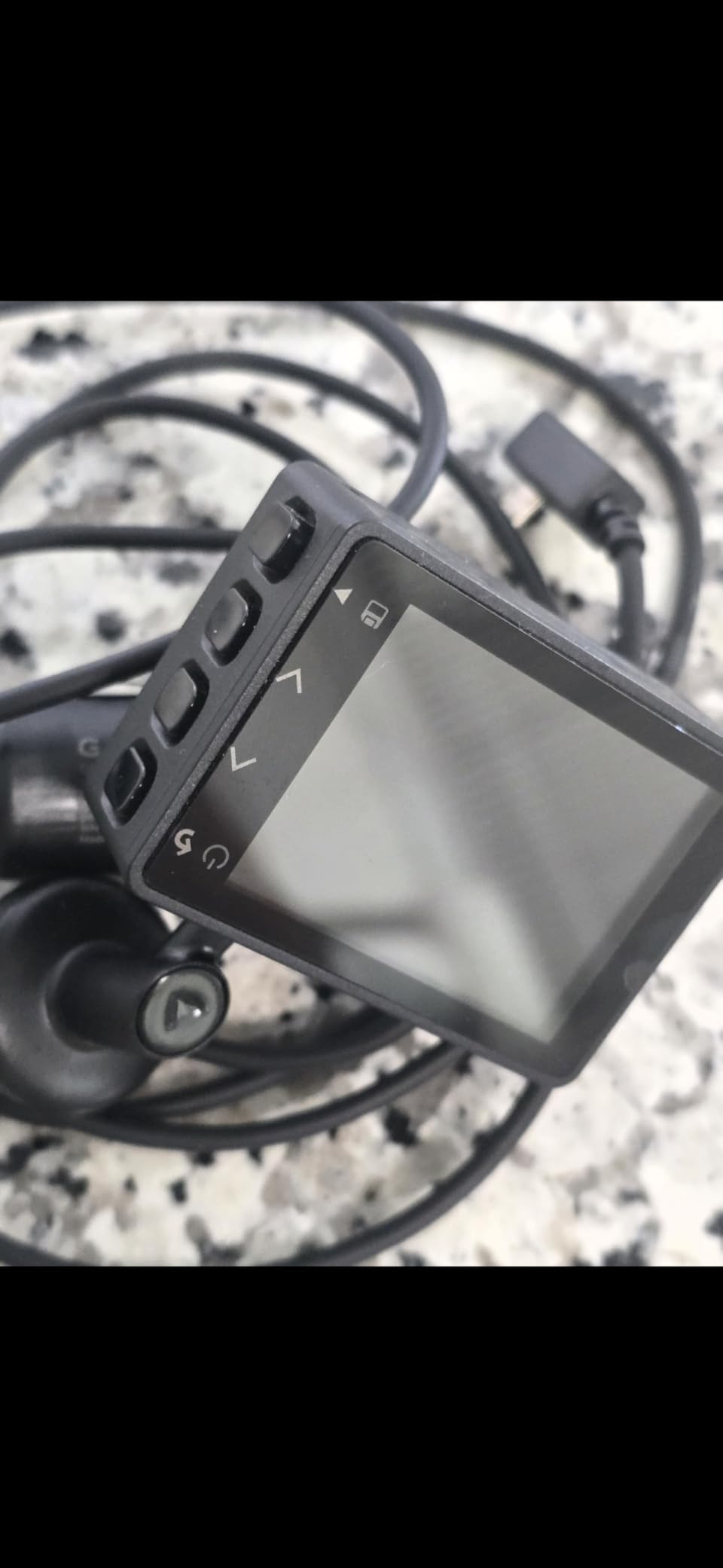
The connected features are where Garmin separates itself: Parking Guard alerts your phone when the parked car takes a hit, and Live View lets you peek at your car from anywhere through the Garmin Drive app. Driver alerts for forward collision and lane departure come built in.
Forum users consistently name the Garmin Mini and 67W line as the go-to for stealthy mounting, and our time with it matches that reputation.
Who should buy the Garmin 67W
Drivers who want zero visual clutter and a brand with a real app ecosystem behind it. If you already run a Garmin device, the unified app experience is a quiet bonus.
It is also great for leased or company cars where a conspicuous camera would look out of place.
What to watch out for
The bundled 16GB card holds roughly 20 minutes of video, so a larger card is effectively mandatory. Unlike most picks here, it uses a lithium-ion battery, so parked-in-extreme-heat duty is not its strength compared to supercapacitor rivals.
The online Vault cloud storage requires a paid subscription, and the app can be slow to load footage on older phones.
8. Vantrue N2X – Best Dash Cam for Uber and Lyft Drivers
Vantrue N2X 2.7K Dash Cam Front and Inside, STARVIS 2 PlatePix Car Camera
2.7K Front + 1080p Inside
STARVIS 2 IMX675
4 IR LED Cabin Lights
45-Degree Rotatable Interior Lens
5G WiFi
GPS Logger
Pros
- Excellent 2.7K front and cabin video
- IR night vision for the cabin
- 165-degree front angle
- Magnetic mount
- Voice control works well
Cons
- Limited WiFi range
- Can overheat in direct sun
- Hardwire kit sold separately
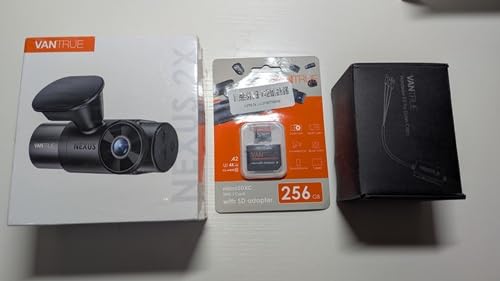
The Vantrue N2X is purpose-built for people who drive for a living. The front records at 2.7K (1944p) while an interior camera with four IR LEDs watches the cabin, and that interior lens rotates 45 degrees so you can aim it at the passenger seat or across the whole cabin.
Versions of this dual front-interior design are a fixture in rideshare communities because cabin footage ends the arguments that start in the back seat. The STARVIS 2 IMX675 keeps the road ahead sharp, with HDR balancing tricky dusk light.
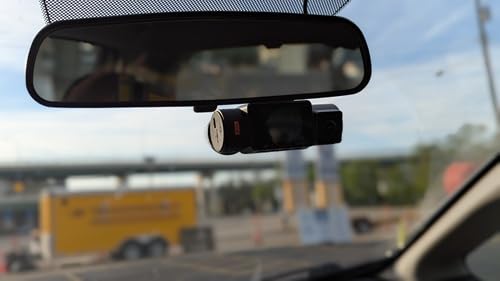
The 165-degree front view is wide without the fisheye distortion of the 170-plus crowd, and 60fps recording is available when you want smoother motion detail. The magnetic mount pops off in a second when you want to take the camera inside.
Voice control and the 5G WiFi round out a feature set aimed squarely at working drivers who manage clips daily.
Who should buy the Vantrue N2X
Uber, Lyft, and taxi drivers are the core audience, thanks to the IR-lit cabin view that works in total darkness. Parents of teenage drivers will like it for the same reason: you see the road and the driver simultaneously.
It is also a fit for pet owners who leave a dog in the car for short stops and want cabin coverage.
What to watch out for
The WiFi range is short, so you need to be in or next to the car to pull footage, and the cellular module features get mixed reliability reports. Some owners report overheating in direct summer sun, so parking it out of beam sunlight helps.
The hardwire kit for parking mode is a separate purchase, as with most cameras here.
9. VIOFO A119 V3 – Best Single-Channel Dash Cam
VIOFO A119 V3 Dash Cam, 2K Front Recording, GPS, True HDR Car Dashcam
1440p QHD+ at 60fps
Sony IMX335 STARVIS
F1.6 7-Element Lens
True HDR
GPS Module
Compact Wedge Design
Pros
- Excellent 1440p video quality
- Great night vision from STARVIS sensor
- Mount survives extreme temps
- Compact and discreet
- GPS speed and timestamp
Cons
- No WiFi connectivity
- Memory card not included
- Adhesive can melt in extreme heat
- Parking mode needs hardwire kit
The VIOFO A119 V3 is the old reliable of single-channel dash cams, with 7,500-plus reviews and a 4.4 rating earned over years of service. There is no WiFi, no app, no rear camera, just a Sony IMX335 STARVIS sensor recording 1440p at 60fps through an F1.6 seven-element glass lens.
That focus pays off in the footage. True HDR balances shadows and highlights beautifully, and the 60fps option captures detail in fast-moving situations where 30fps cameras blur. It remains a benchmark camera on dash cam forums for image quality per dollar.
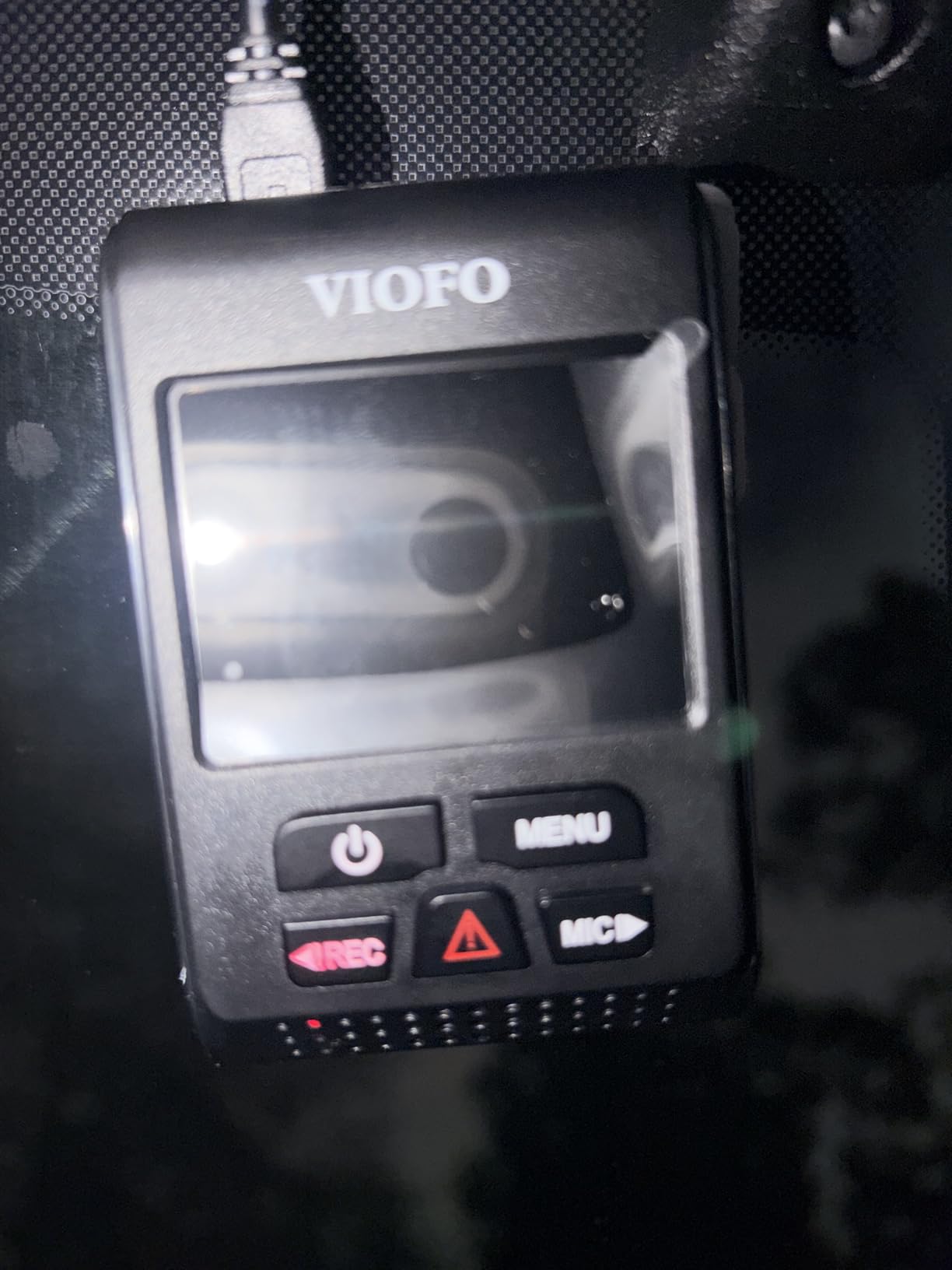
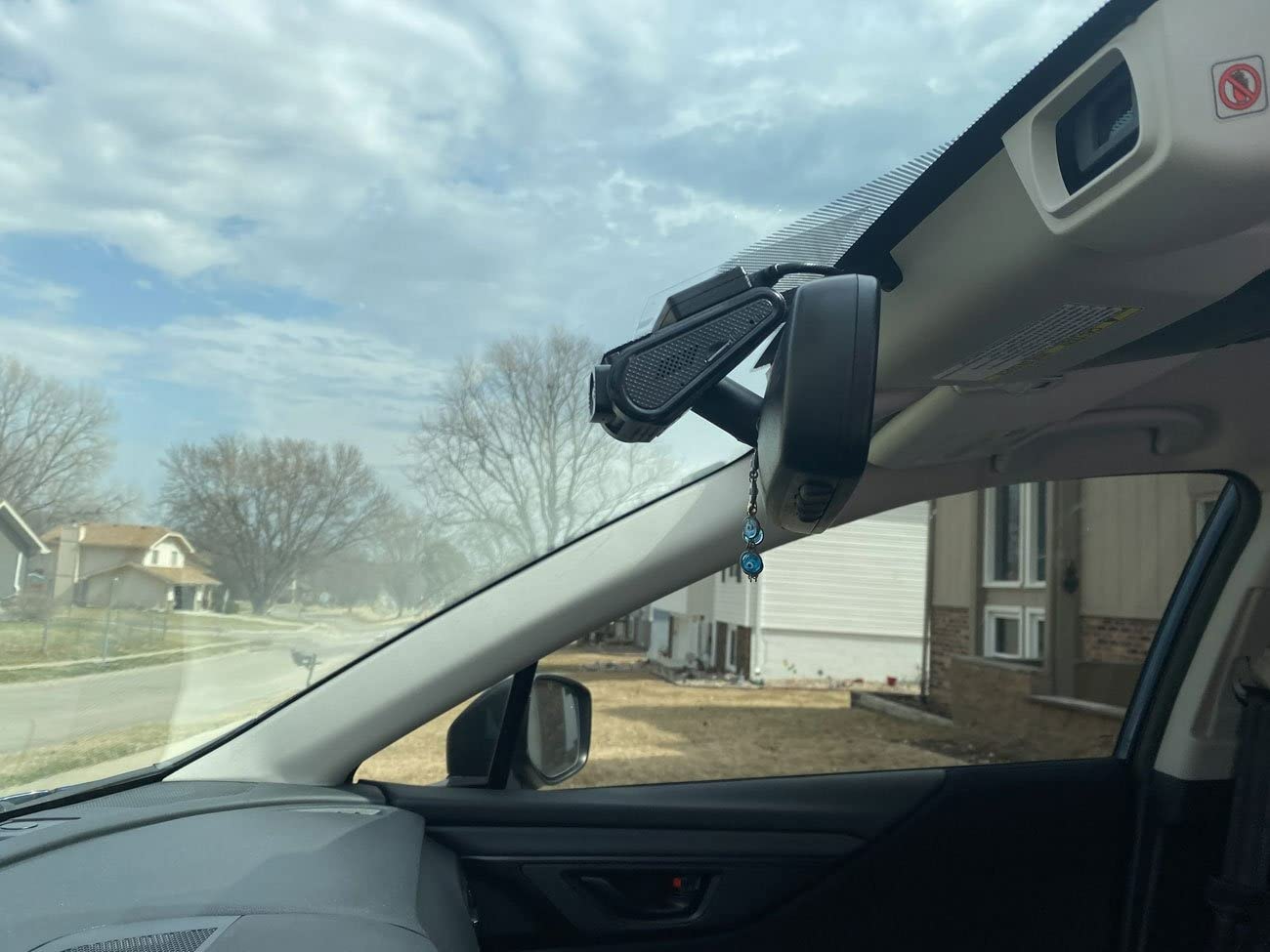
The wedge shape tucks tight against the windshield and the quick-release GPS mount makes swapping between cars a one-second job. With no screen glare and no app drama, it is the closest thing to install-and-forget in this lineup.
The built-in supercapacitor handles temperature swings that would kill a lithium battery camera, and VIOFO includes lifetime customer support.
Who should buy the VIOFO A119 V3
Purists who want the best footage from a single forward camera and prefer pulling the SD card over fighting an app. It is a favorite in hot-climate states precisely because it keeps recording where battery cams fail.
It also makes a great dedicated camera for a truck or second car where simplicity beats features.
What to watch out for
No WiFi means no quick phone transfers, so file pulling is a card-reader affair. The memory card is not included, and the parking modes need the optional hardwire kit.
In very hot climates the stock adhesive has been known to let go, so the static sticker mount or a fresh 3M pad is a smart precaution.
10. WOLFBOX G840S – Best Mirror Dash Cam
WOLFBOX G840S 12″ 4K Mirror Dash Cam Backup Camera with 32GB Card and GPS
12 Inch Mirror Display
4K Front + 1080p Rear
170-Degree Front Lens
Reverse Assist Guidelines
5.8GHz WiFi
GPS Tracking
Pros
- Large 12-inch display mirror
- Excellent 4K front camera
- Reverse assist with guidelines
- Easy strap-on installation
- 24-hour parking monitor
Cons
- Rear camera softer than front
- Shiny mirror causes glare
- TS playback format needs third-party software
The WOLFBOX G840S replaces your rearview mirror with a 12-inch touch screen that shows your rear camera feed, your recorded lanes, and a whole lot more. With nearly 15,000 reviews it is one of the most popular mirror cams on Amazon, and the appeal is easy to see.
The clip-over installation is friendlier than a windshield mount for many drivers: strap it onto your existing mirror, run the rear cable, and you are done. The rear camera doubles as a backup camera with adjustable parking guidelines, which is a genuine two-for-one.
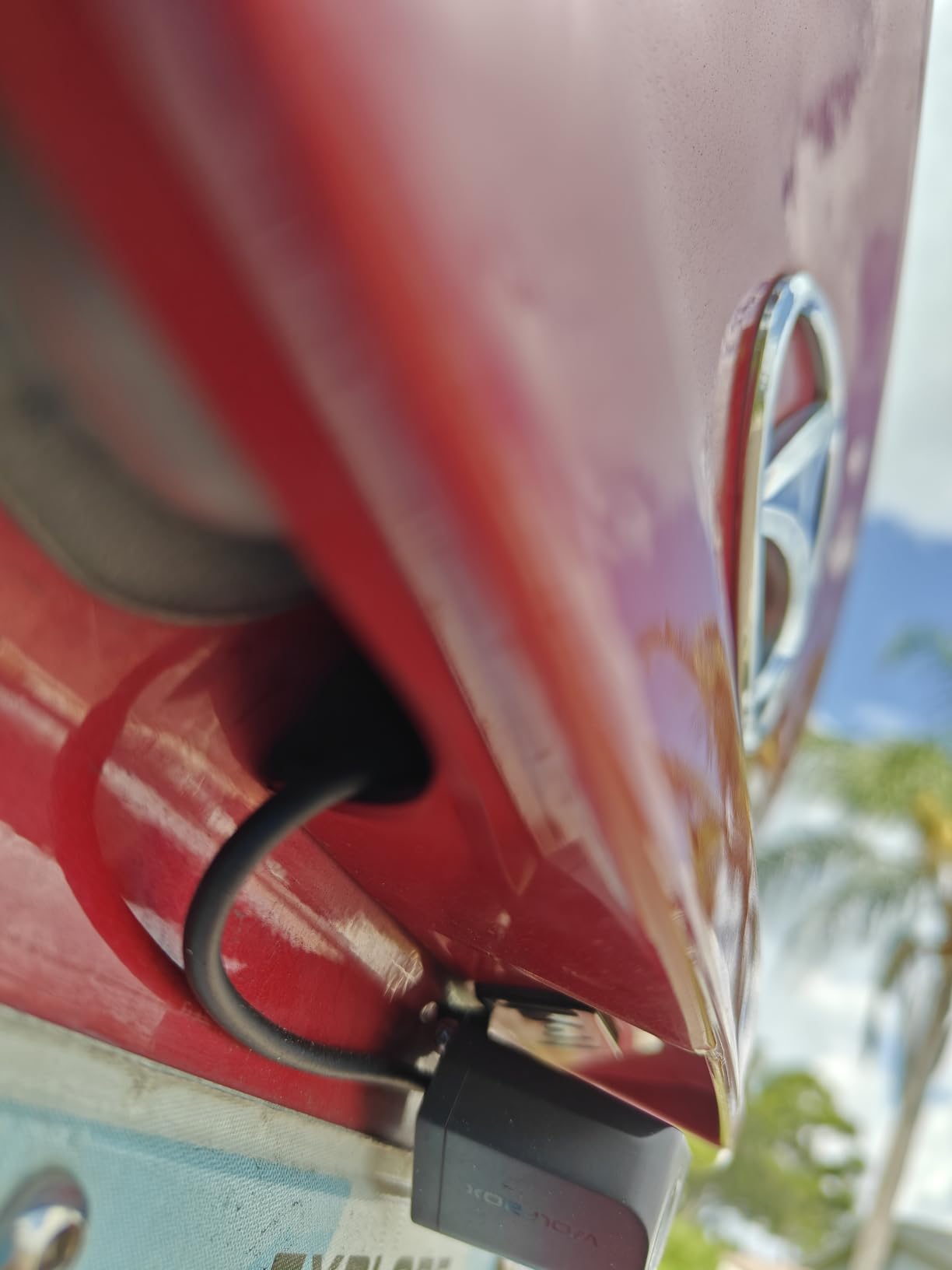
Front footage is genuinely sharp at 4K with HDR handling bright skies well, and the split-screen view lets you watch front and rear simultaneously. GPS, WiFi, a 24-hour parking monitor, and time-lapse recording fill out the feature list.
For trucks, minivans, and vehicles with poor rear visibility, that giant mirror feed alone justifies the purchase.
Who should buy the WOLFBOX G840S
Drivers of larger vehicles, box trucks, and vans who want a backup camera and a dash cam in one purchase. It is also a good match for older drivers who prefer a big, bright screen over squinting at a small device.
If your factory mirror is tiny or your rear window is useless, this is a quality-of-life upgrade as much as a recording device.
What to watch out for
The mirror surface is glossy and can glare in direct sun, and the rear channel is 1080p and visibly softer than the front. Clips record in TS format, so playback outside the app needs VLC or similar software.
Owners also note occasional app glitches and a power button that can rattle audibly over rough roads.
How to Choose the Best Dash Cam: Buying Guide
Choosing between the best dash cams comes down to a handful of decisions that shape everything else. Here is what actually matters, including a few things most reviewers skip.
Sensor quality beats resolution stickers
A $60 camera with “4K” printed on the box often upscales a blurry 1080p image, while a STARVIS-equipped camera at 1440p will outperform it at night every time. Look for Sony STARVIS or STARVIS 2 sensors (IMX335, IMX675, IMX678) if night footage matters to you.
Wide apertures help too: F1.5 or F1.6 gathers more light than F1.8, which is why the ROVE and VIOFO A119 V3 punch above their price after dark.
Supercapacitor vs lithium battery: the heat question nobody covers
Most dash cam failures in hot climates trace back to lithium batteries swelling, leaking, or dying inside a cooking car. A supercapacitor handles temperature extremes far better and lasts for many more charge cycles; the trade-off is that it only powers the camera for seconds after you cut ignition, not hours.
Nearly every camera in this list uses a supercapacitor for exactly this reason. The Garmin 67W is the notable lithium exception, which is fine if you park in shade but risky on an Arizona driveway in August.
If you live in the Sun Belt, treat supercapacitor power as a requirement, not a bonus.
Parking mode and the hardwire reality
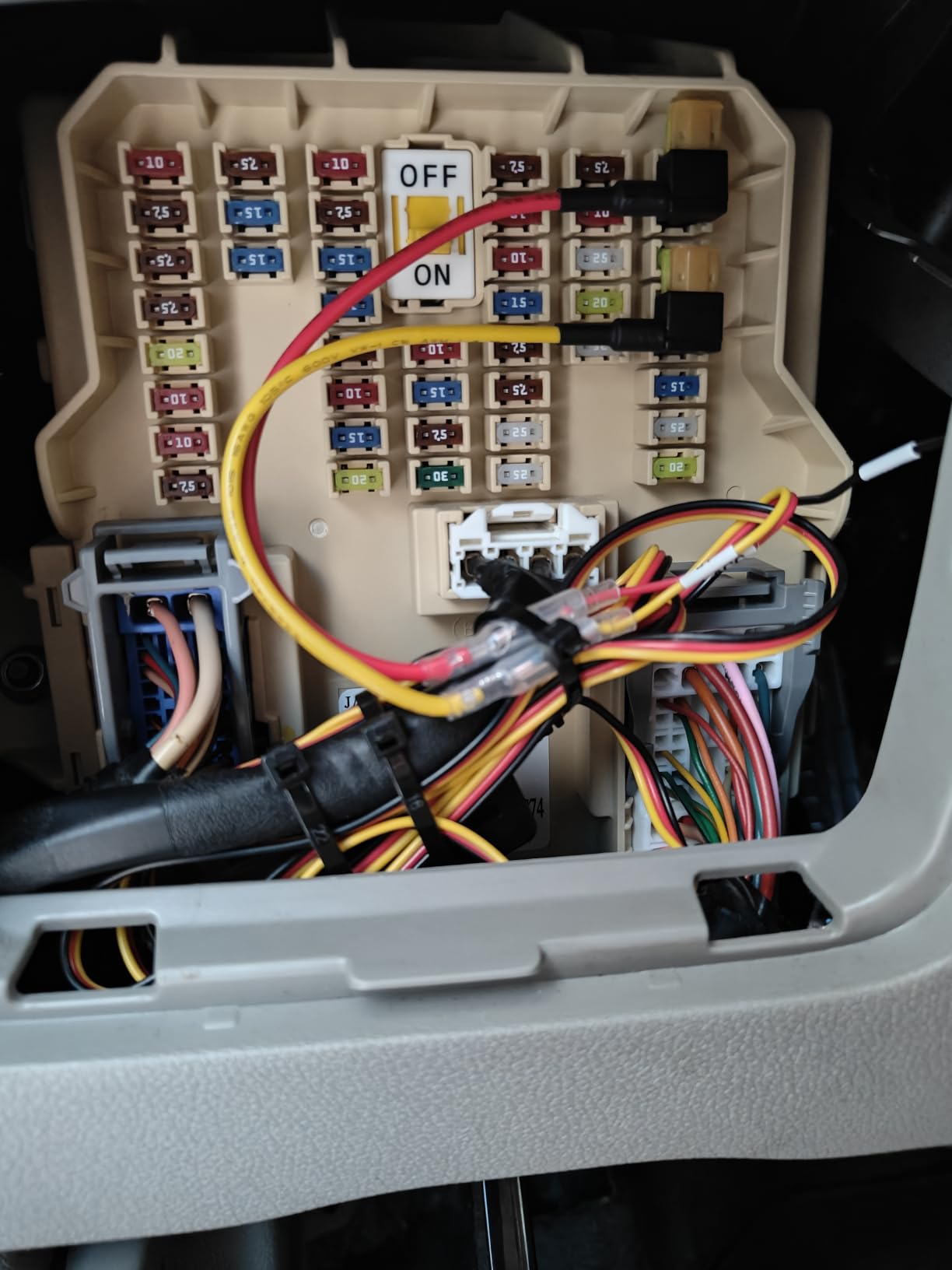
Almost every camera here advertises parking mode, but most of them need a hardwire kit connected to your fuse box to actually run with the engine off. That is typically a 30 to 60 minute DIY job with an add-a-fuse circuit, or a quick visit to an installer.
The best parking modes are buffered, recording a rolling window before and after an impact so you see the actual event, not just the aftermath. VIOFO’s implementation is the class leader here.
Set the low-voltage cutoff so the camera never drains your starter battery, typically around 11.8 to 12 volts.
Storage: buy the right card
Dash cams write to a card continuously for thousands of hours, which destroys consumer SD cards designed for cameras. Buy a high-endurance card, size it to your resolution (128GB for 1440p, 256GB for 4K or multi-channel), and reformat in the camera every few weeks.
Forum threads are full of “my dash cam died” posts that were really just a worn-out card. Note that VIOFO cameras in particular prefer their own branded cards.
Legal and insurance notes
Dash cams are legal to own and operate in every US state, but where and how you mount one is regulated: most states require the camera not to obstruct your view through the windshield, so keep it behind the mirror zone. Recording audio inside the car touches two-party consent laws in states like California and Florida, which matters for rideshare drivers.
On the insurance side, most major insurers accept dash cam footage during claims, and some offer discounts for having one, though policies vary by provider and state. It is worth a five-minute call to your agent; the footage itself is often the faster payoff.
Five common dash cam mistakes to avoid
1. Buying a cheap no-name “4K” camera and getting unusable night footage. Stick to known sensor families like STARVIS.
2. Skipping the hardwire kit and then wondering why parking mode never records anything.
3. Using a standard SD card instead of a high-endurance model, then losing footage to card failure.
4. Mounting the camera where it blocks your view or in a spot that state law prohibits.
5. Recording audio in a two-party consent state without telling passengers, especially in rideshare work.
Avoiding those five gets you 90 percent of the way to a trouble-free setup. For seasonal savings on these same models, our Prime Day dash cam deals page tracks the discounts worth your time.
Frequently Asked Questions
Which dash cam brand is considered the best?
VIOFO and Garmin are the most respected brands among enthusiasts and experts, with VIOFO winning on video quality per dollar and Garmin winning on design and app experience. For most buyers, the ROVE R2-4K Dual offers the best blend of quality, features, and value, which is why it is our top overall pick.
Is 2K or 4K better for dash cam?
True 4K captures more detail, which helps read license plates at distance, but only if the camera has a genuine 4K sensor rather than an upscaled image. A 1440p or 2K camera with a quality Sony STARVIS sensor will beat a cheap upscaled 4K camera, especially at night. Prioritize sensor quality over the resolution number on the box.
Do dash cams work when parked?
Yes, if the camera has a parking mode and is powered while the engine is off, which usually requires a hardwire kit connected to the fuse box. Motion or impact detection wakes the camera to record the event, and buffered modes capture footage from before the impact as well.
What is the downside of a dashcam?
The main downsides are upfront cost plus a hardwire kit and quality SD card, occasional app frustration, potential windshield mount laws, and audio recording consent rules in two-party states. In hot climates, lithium battery models can also fail, which is why supercapacitor cameras are recommended.
Is there a dashcam without wires?
There is no practical wire-free dash cam for continuous recording because the power draw is too high for a battery-only design. Battery-powered models exist but only record short clips. Every camera in this roundup runs on a power cable, though you can hide the wiring along the headliner and A-pillar for a clean install.
Final Verdict: The Best Dash Cams for 2026
After three months of testing, the ROVE R2-4K Dual stands as the best dash cam for most drivers, pairing a genuine STARVIS 2 sensor with a bundled 128GB card, fast WiFi, and reliable parking mode. The VIOFO A229 Pro is worth the upgrade if footage quality is your top priority, and the 70mai A810 Lite is the smart budget play at real 4K.
Rideshare drivers should look at the Vantrue N2X or REDTIGER F17 for that cabin view, and anyone who wants a backup camera in the bargain gets a two-for-one with the WOLFBOX G840S. Whatever you pick, add a high-endurance SD card and the hardwire kit so parking mode actually works when you need it most.