
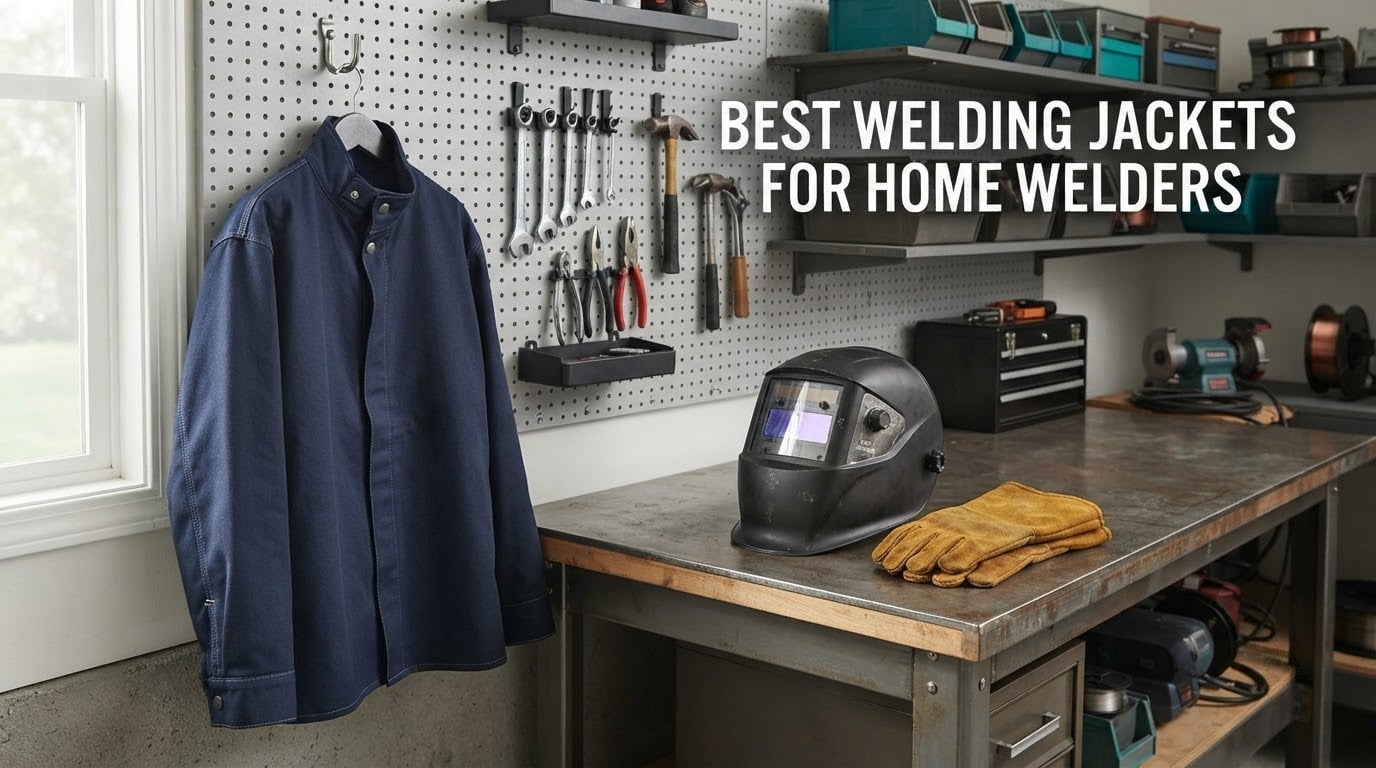
Most welding jackets on the market are built for a steel mill, a shipyard or a full-time fabrication shop. A home welder in a one-car garage in July has a completely different set of problems, and the best welding jackets for home welders are rarely the ones a fabricator would grab on Monday morning.
Over six weeks we compared 10 welding jackets across the four material families you will actually find: 9 oz. flame-resistant cotton, 12 oz. heavyweight cotton, split cowhide leather, and cotton/leather hybrids. We paid attention to the things that decide whether a jacket survives a home shop: weight in ounces, how it deals with radiant heat, whether the closure is welded solid, and whether you can still stand a welding helmet after an hour of overhead work.
The single biggest mistake we see is buying full leather by default. Leather is the right answer for stick and flux-core work and for out-of-position fabrication, but it is the wrong answer for a flat-position MIG hobbyist in an unheated garage in summer. We will make that case in the buying guide, and every pick below states which process it suits.
One safety note before anything else: a welding jacket is flame-resistant, never fireproof. Flame-resistant means the fabric will not continue to burn when the flame source is removed. No jacket on this list stops a direct stream of molten metal or a full engulfment. Protection comes from the whole system, and you should also be wearing a welding helmet rated for your process, welding gloves, FR pants and a cap.
If you are still choosing a machine rather than a jacket, our MIG welder guide for beginners and TIG welder picks cover the other half of the setup.
Table of Contents
Top 3 Best Welding Jackets For Home Welders (October 2026)
Black Stallion FN9-30C FR Cotton
- 9 oz. treated FR cotton
- Welder's collar
- Leather-reinforced snaps
- Scribe pocket

QeeLink Split Cowhide Leather
- Heavy split cowhide
- Kevlar thread and rivets
- 4 tool pockets
- Adjustable fit
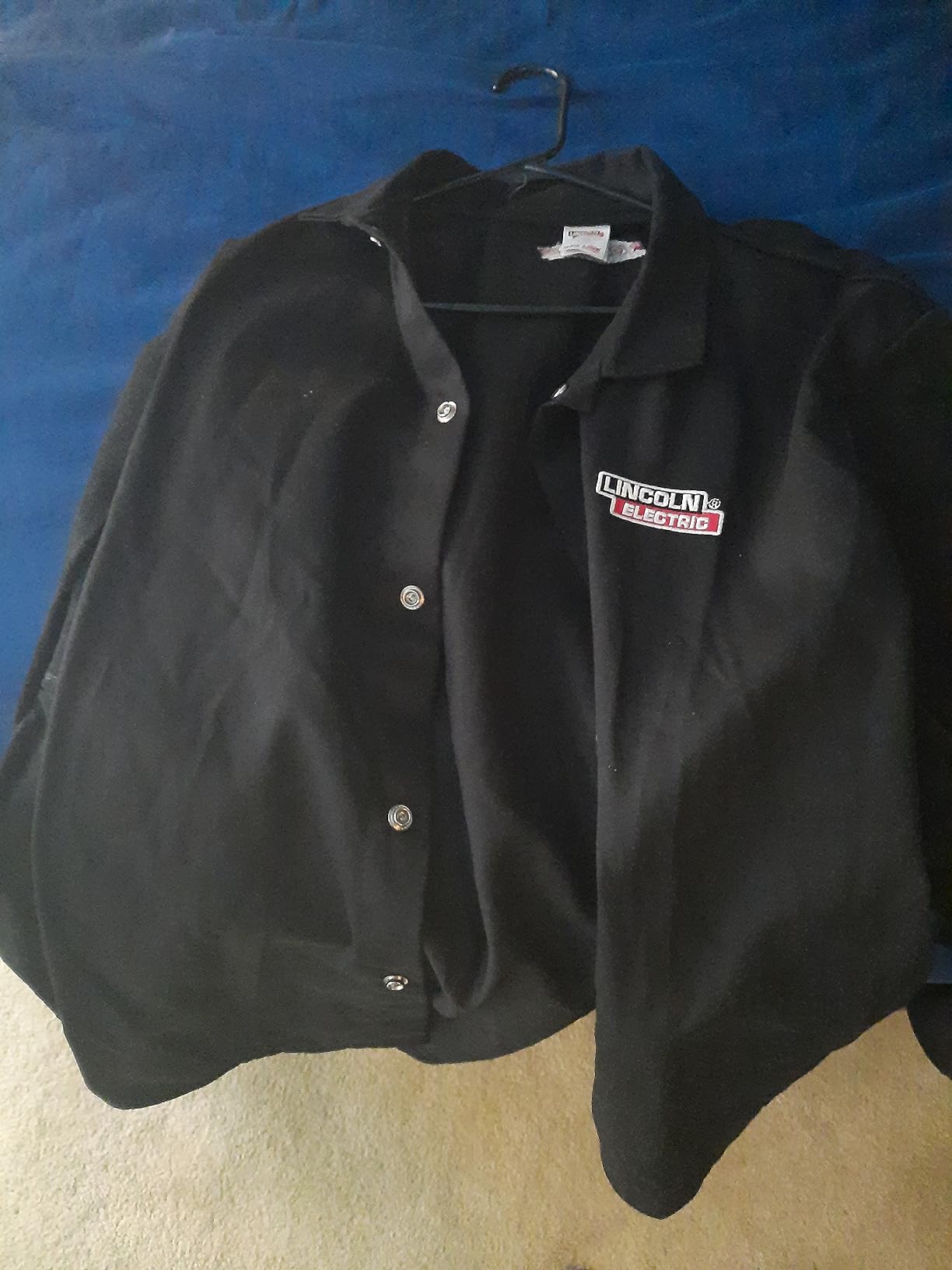
Lincoln Electric Black FR Cloth
- 9 oz. FR cotton
- Breathable in warm shops
- Snap cuffs
- Machine washable
If you want one jacket and you mostly run a MIG or TIG gun in a garage, the Black Stallion FN9-30C is the safest buy. It is the highest-reviewed jacket in this group by a wide margin, the 9 oz. treated cotton is genuinely cool in a hot shop, and the welder’s collar closes off the neck where most home welders get hit.
If your garage work includes stick or flux-core, or you fabricate out of position, the QeeLink split cowhide coat is the correct tool. It is heavier at 4.41 pounds, which is the point: it takes spatter, slag and radiant heat that cloth simply will not.
The Lincoln Electric black cloth jacket is the value pick. It washes in a machine, it holds its flame resistance through repeated washes, and black hides soot better than any other color in a home shop.
All 10 Welding Jackets Compared in 2026
| Product | Specifications | Action |
|---|---|---|
| Black Stallion FN9-30C FR Cotton Jacket |
|
Check Latest Price |
| QeeLink Split Cowhide Leather Jacket |
|
Check Latest Price |
| Lincoln Electric Black FR Cloth Jacket |
|
Check Latest Price |
 YESWELDER Leather Welding Jacket YESWELDER Leather Welding Jacket |
|
Check Latest Price |
 Lincoln Electric Split Leather Sleeved Jacket Lincoln Electric Split Leather Sleeved Jacket |
|
Check Latest Price |
 Miller Classic Cloth Welding Jacket Miller Classic Cloth Welding Jacket |
|
Check Latest Price |
 MAGID SparkGuard 12 oz. FR Cotton Jacket MAGID SparkGuard 12 oz. FR Cotton Jacket |
|
Check Latest Price |
 Revco Black Stallion FR Cotton and Cowhide Hybrid Revco Black Stallion FR Cotton and Cowhide Hybrid |
|
Check Latest Price |
 Revco Black Stallion BXRB9C Contoured Jacket Revco Black Stallion BXRB9C Contoured Jacket |
|
Check Latest Price |
 YESWELDER 11 oz. FR Cotton Jacket YESWELDER 11 oz. FR Cotton Jacket |
|
Check Latest Price |
1. Black Stallion FN9-30C 9 oz. FR Cotton Jacket – Our Pick for Most Home Shops
Black Stallion FN9-30C 30″ 9oz. Navy FR Cotton Welding Jacket, Large (Xlarge)
9 oz. FR treated cotton
Welder's collar
30 inch length
Leather-reinforced snaps
Pros
- Cool and light in a hot garage
- Well-reviewed by thousands of hobby welders
- Sturdy leather-reinforced snaps at the placket and cuffs
- Long sleeves that close over welding gloves
Cons
- Too thin for sustained overhead stick work
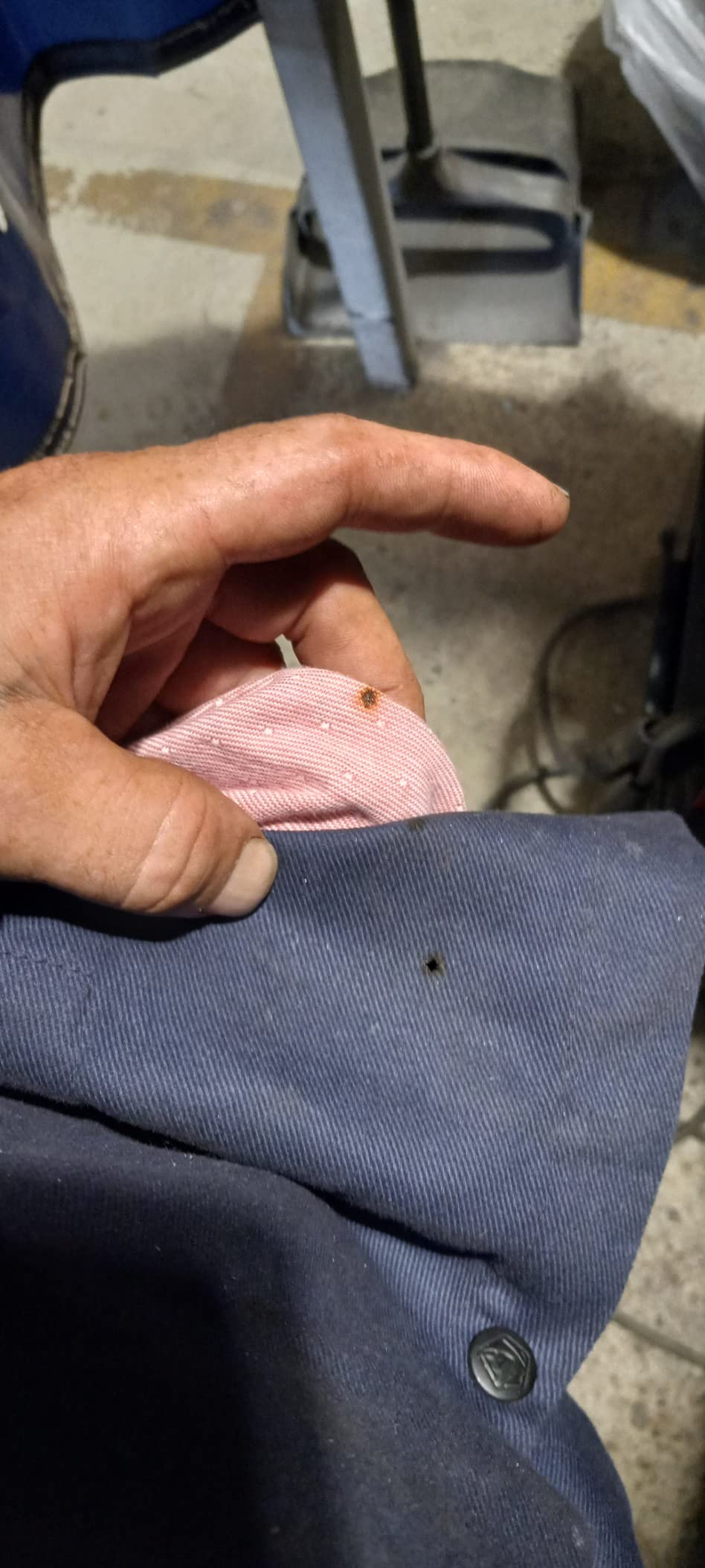
- Heavy spatter can eventually burn through the 9 oz. cloth
- Runs loose and long for some wearers
This is the jacket we ended up recommending to friends and family. The Black Stallion FN9-30C is 9 oz. chemically treated flame-resistant cotton in navy, and at 30 inches long it covers more torso than most entry coats without dragging around your knees.
The welder’s collar is the detail that matters most in a home shop. Most beginners wear a jacket with an open neck and then wonder why they have a red, itchy patch between the collarbone and the helmet strap. This one closes that gap with a Nehru-style collar that sits flat when you are not welding and stands up when you are.
There are six snaps, and every one of them is leather-reinforced. That sounds like a small thing until you have a jacket whose snaps tear out of the cotton after a season of pulling them open with gloved hands. It also has both a scribe pocket and an inside pocket, which means your soapstone and your phone live in different places.
What surprised us was how many owners buy these in multiples just to rotate them. A jacket that holds the arc smell and the sweat for a week needs a day in the sun before the next session, and owning two of the same 9 oz. cotton coat solves that better than any air freshener.
The honest limit is heat exposure from the arc itself. Sustained overhead stick welding or heavy grinding will cook you inside a 9 oz. cloth, and molten spatter that lands and sits will eventually burn through. Reviewers are consistent on this: it is a light-to-medium spatter jacket, excellent for flat and horizontal MIG, TIG, and short bursts of stick work.
Sizing runs true through the chest and works well over a heavy workshirt or a hoodie. Some wearers find it loose and long and size down, so if you are between sizes and want a close fit, read the size chart rather than ordering your usual.
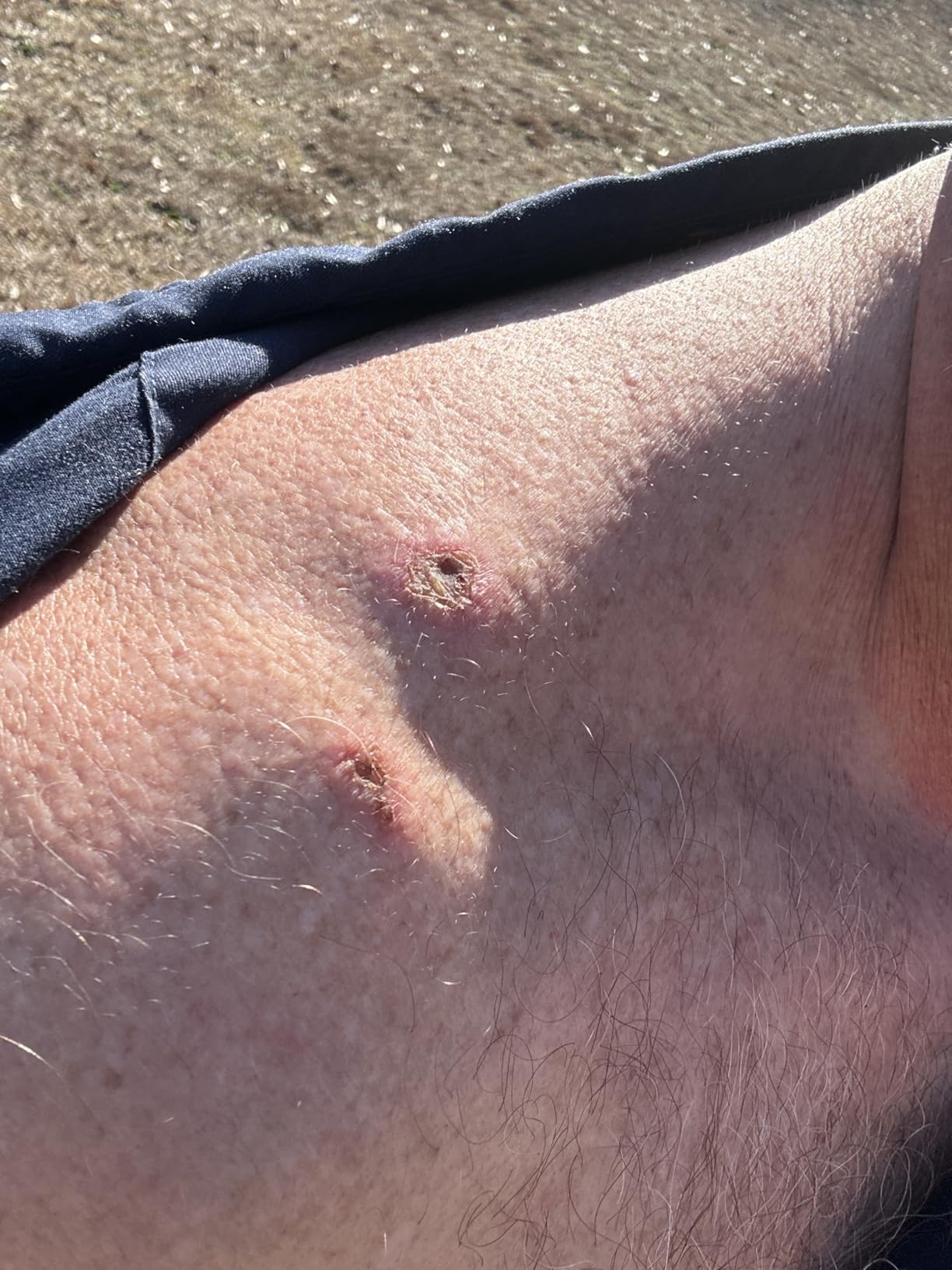
What the Black Stallion FN9-30C is best for?
Flat and horizontal MIG and TIG work, occasional stick, cutting and grinding in a home garage, and anyone who welds in a space without climate control. It is also the jacket we would hand to someone starting welding school, because it is light, forgiving on sizing and tough enough to survive being dragged across a workbench.
If your work involves holding a torch overhead for long stretches, or you are running flux-core where spatter is heavy and hot, this is not the jacket. The 9 oz. cloth simply is not dense enough for that.
Where the Black Stallion falls short?
Burn-through under sustained, concentrated spatter is the recurring complaint. It is not a defect; it is what a 9 oz. treated cotton is specified to do. The second issue is length, since 30 inches stops higher on the hip than some welders want, particularly when leaning into a table to weld a frame.
Do not treat it as fireproof. It is flame-resistant cotton, and the treatment slows flame spread rather than preventing ignition. Keep it away from the flame of a cutting torch and replace it once the fabric gets thin, hard or shiny in the spatter zone.
2. QeeLink Split Cowhide Leather Jacket – Best for Stick and Flux-Core
Leather Welding Work Jacket by QeeLink – Flame-Resistant Heavy Duty Split Cowhide Leather (Large)
Split cowhide leather
4.41 pounds
Kevlar thread
4 tool pockets
Pros
- Genuinely heavy leather that shrugs off spatter and slag
- Adjustable neck cuffs and waist keep debris out
- Riveted stress points and Kevlar stitching
- Large soapstone pocket on each sleeve
Cons
- Strong tanning smell that needs days of airing
- Small through the chest and shoulders for larger wearers
- Snap and hook-and-loop closure takes practice
At 4.41 pounds, the QeeLink is the heaviest jacket in this roundup, and the weight is exactly why it is here. If you stick weld fence posts, repair a mower frame or run a flux-core gun on a trailer, this is the coat that will not let you down.
Split cowhide is the right type of leather for welding. The flesh side is fibrous, so it resists abrasion and heat far better than smooth top-grain leather, and it does not polish shiny the way cheap leather does after a few months. This jacket is sewn with heat-resistant US Kevlar thread and riveted at the high-stress areas, so the seams should outlast the leather panels around them.
Adjustability is the standout feature for a home welder. The neck, cuffs and waist all adjust, so you can cinch the collar up when you are welding vertical or overhead and let it breathe when you are setting up. Under the arm you can wear a cotton base layer without the whole thing binding.
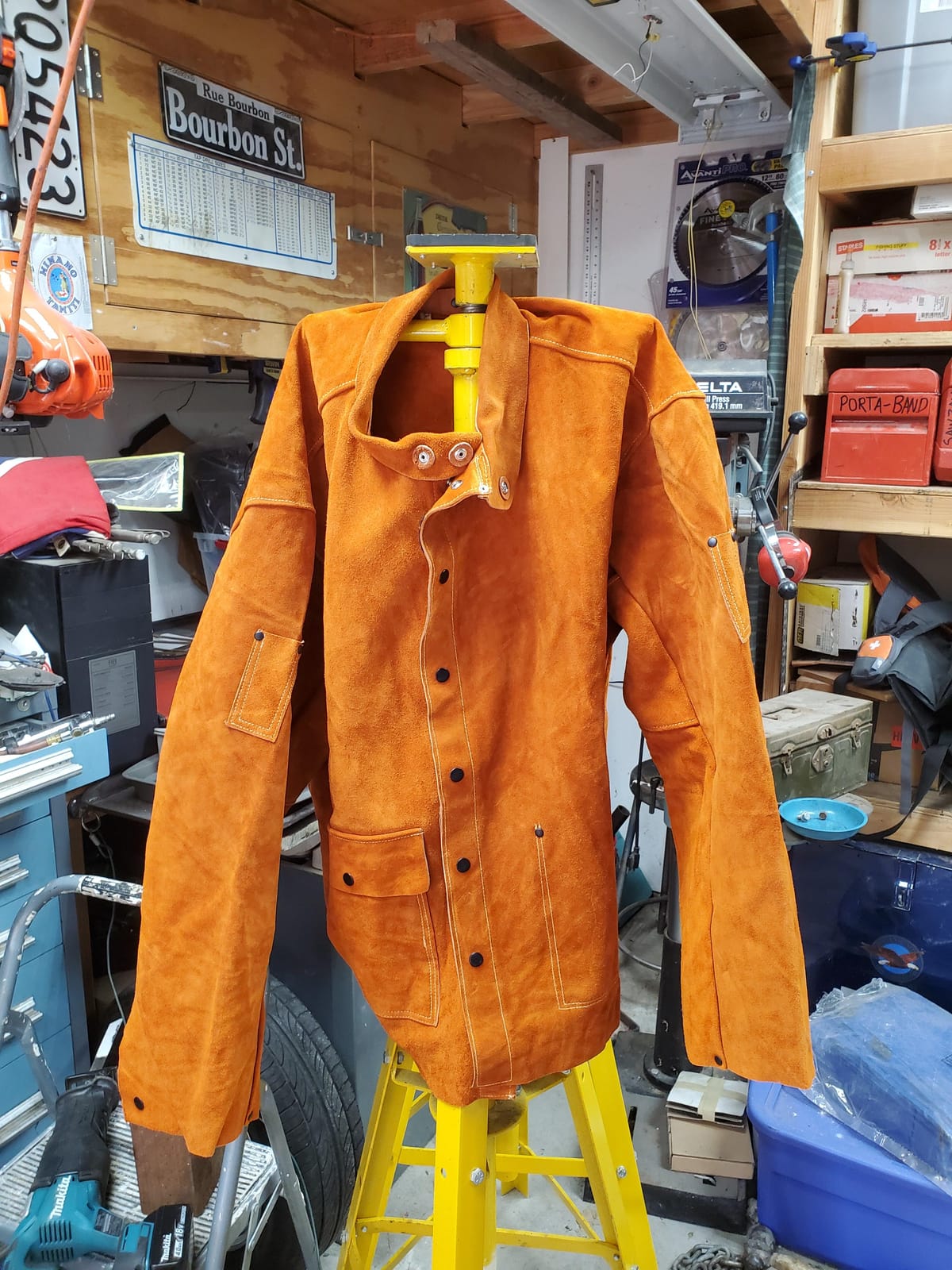
Pocket layout is unusually generous: a large inside pocket, a large outside pocket, and a soapstone pocket on each sleeve. That last detail is the one that separates a welding jacket from a leather work coat, and it means your soapstone and welding pencil are always on your arm where you need them.
Sizing is the discussion to have before you order. Reviewers with larger builds report that 3XL suits a 6 foot 3 inch, 230 pound welder well, but that the chest and shoulders can run tight if you are broad through the upper body. Many size up. Plan to test it over the layers you actually weld in.
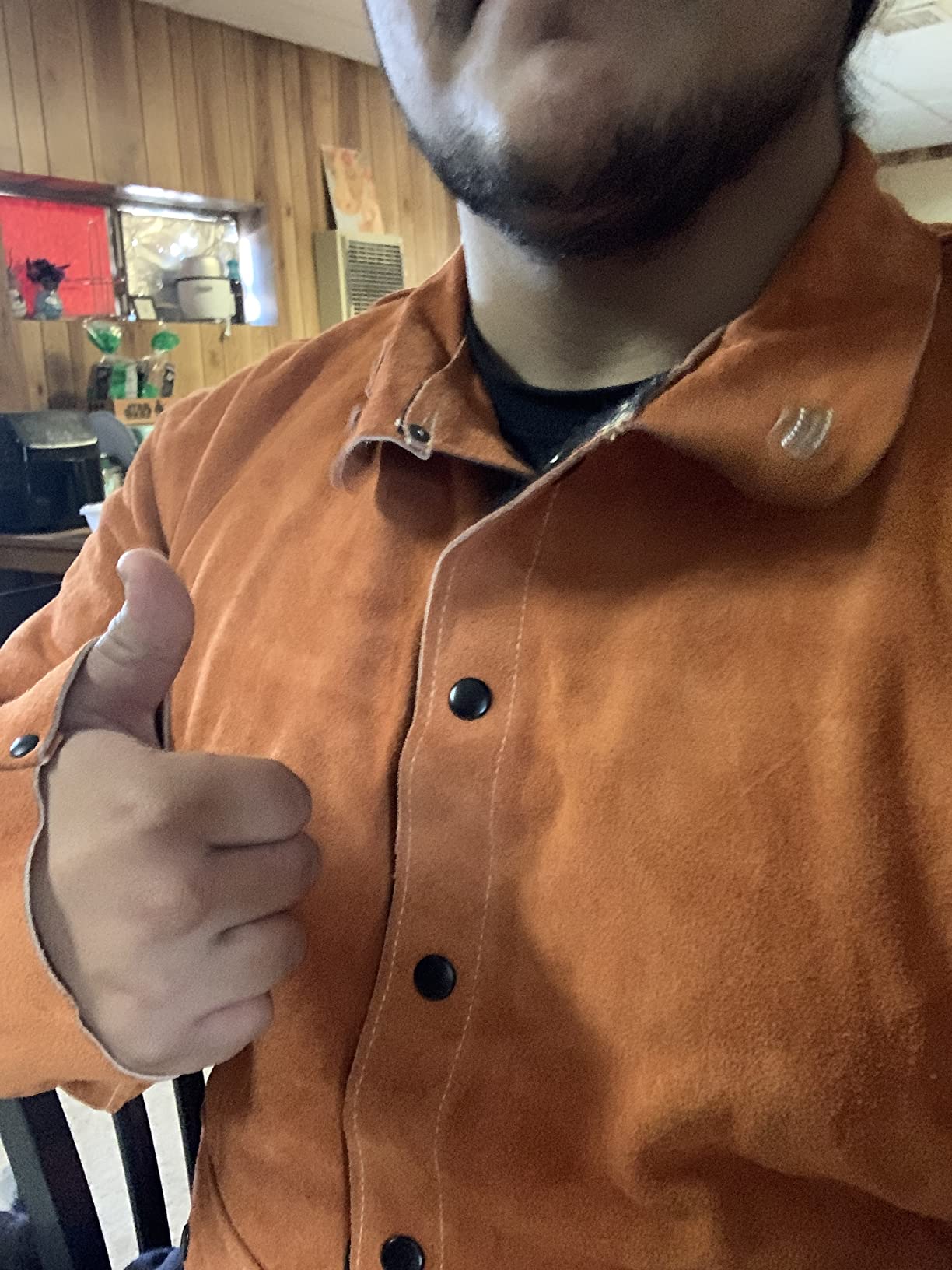
What the QeeLink jacket is best for?
Stick, flux-core, out-of-position work, overhead passes, and any job where molten spatter lands and stays. It also works for blacksmithing and general heavy shop work, which is why so many people buy one jacket and use it for everything in the garage.
It is a strong second-jacket purchase for anyone who has already outgrown a 9 oz. cloth coat and keeps burning through the forearms. Once you see burn-through holes, no amount of laundering fixes the fabric.
Where the QeeLink jacket falls short?
Heat. In a closed garage on a hot day, a 4.41 pound split cowhide coat becomes a heat sink. This is the exact complaint welders raise about leather in warm climates, and it is why we would not put this jacket first for a flat-position MIG hobbyist.
The new-leather smell is strong and takes a few days of airing out before it fades. The snap plus hook-and-loop front closure also takes a little getting used to if you have only ever worn a button or a zipper.
3. Lincoln Electric Black Flame-Resistant Cloth Jacket – Best Value
Lincoln Electric Black X-Large Flame-Resistant Cloth Welding Jacket,KH808XL
9 oz. FR cotton
One size fits most
Snap cuffs
Inside left pocket
Pros
- Cool and comfortable in warm shops
- Holds flame resistance through repeated machine washing
- Black hides soot and spatter
- True-to-size fit over a t-shirt
Cons
- No front chest pocket for pencils or markers
- Light 9 oz. cloth is not enough for overhead work
- Runs small for larger frames
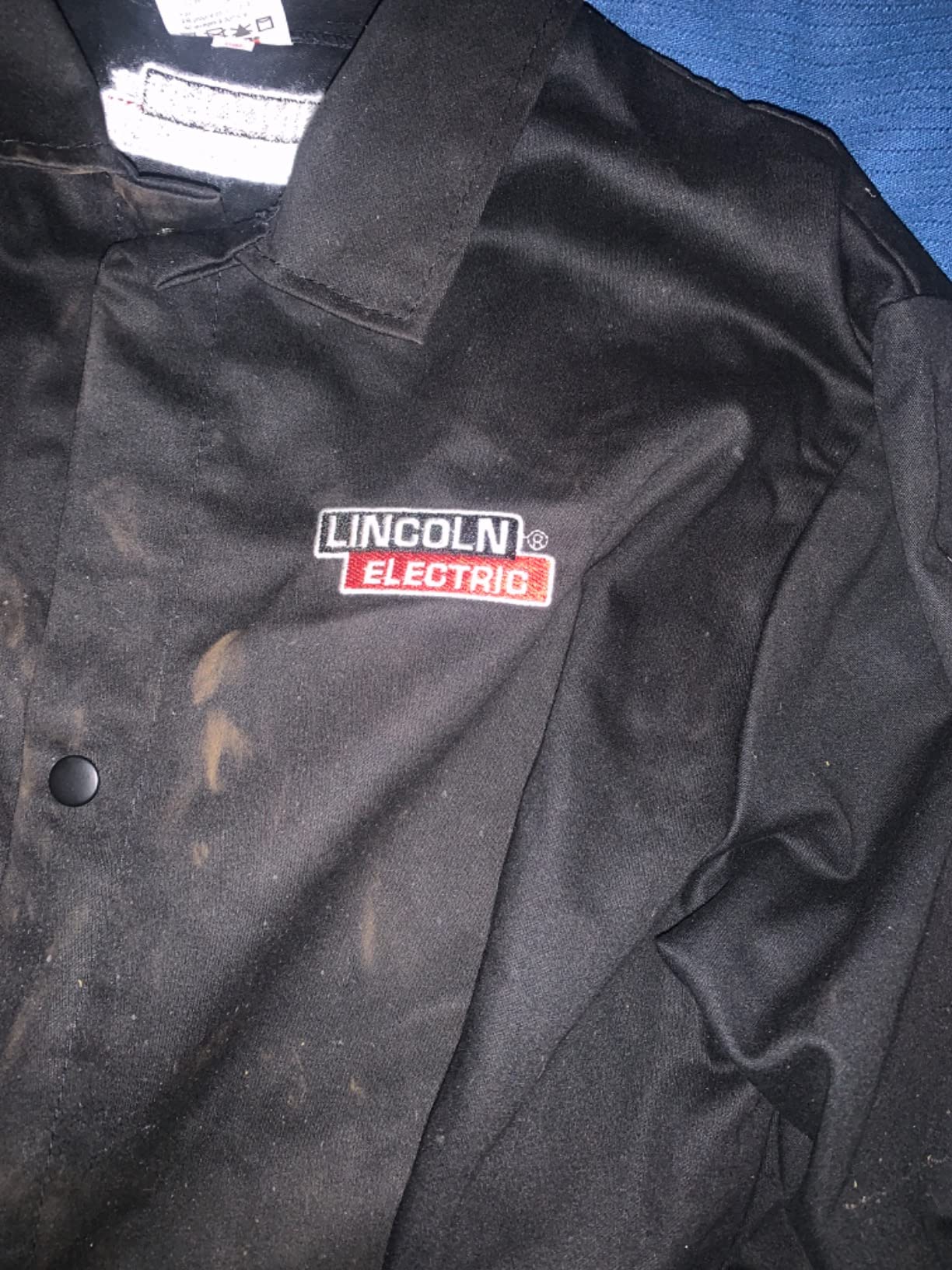
The Lincoln Electric black cloth jacket is the one we recommend when someone asks for a single jacket to do almost everything in a home shop without getting hot. It is 9 oz. flame-resistant cotton, snap closure, snap cuffs, and it is listed as one size fits most.
Two things set it apart. The first is washability: this is a jacket you can put in a washing machine and dry, and the flame resistance holds through repeated washes rather than washing out after a handful of cycles. For someone who welds in the same shirt every Saturday, that is worth more than any pocket.
The second is the color. Black is not a fashion choice, it is a maintenance choice. Spatter that lands on a black cotton jacket is a shadow, while the same spatter on a green or blue coat is a permanent mark you will look at every time you open the garage door.
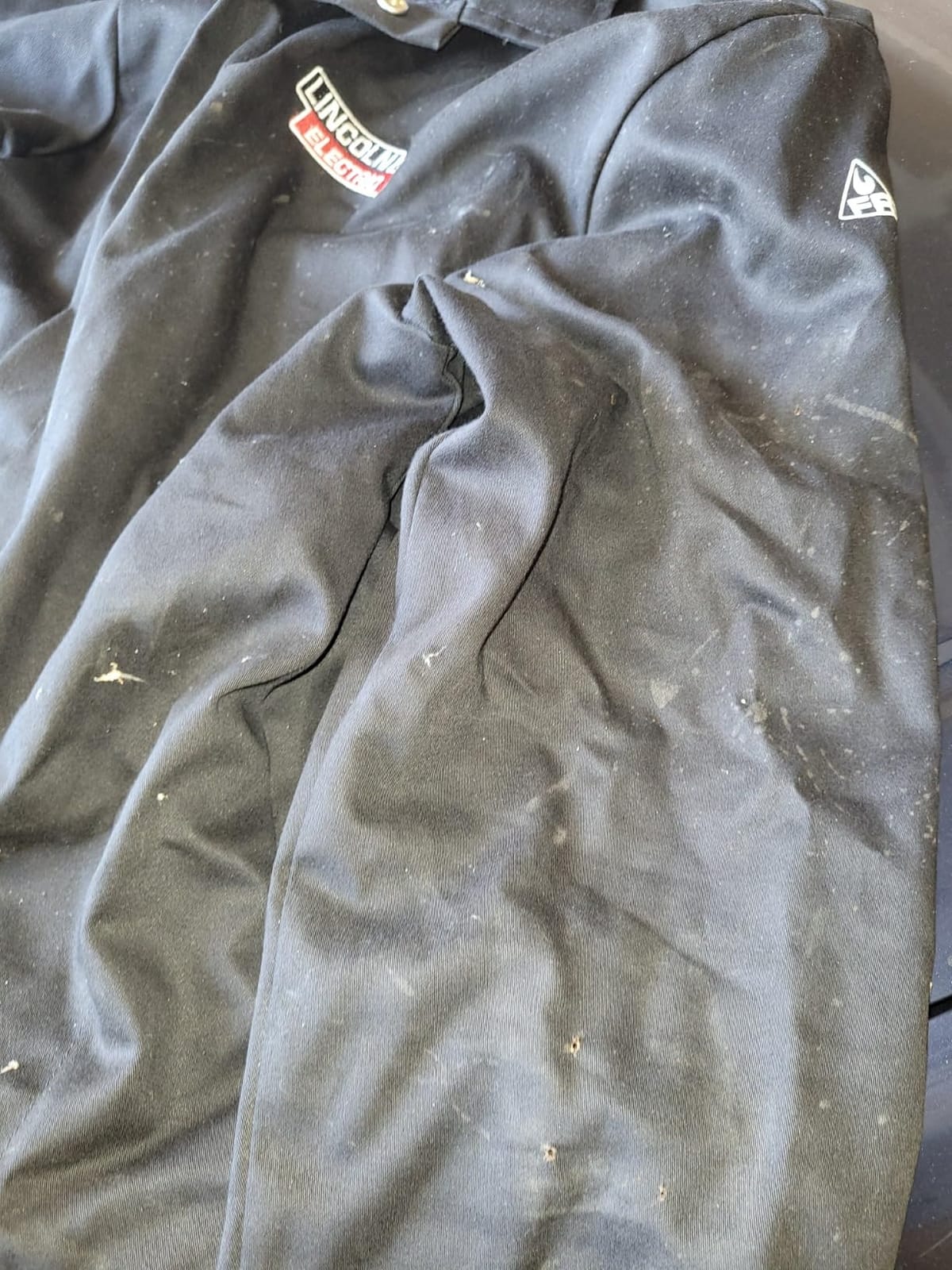
Fit is true to size and works well over a t-shirt or a thin long-sleeve. Buyers with larger frames report sizing up, so if you are between sizes and want it layered over a hoodie, order accordingly.
The most requested addition in reviews is a chest pocket for a scribe or marker. There is an inside left pocket for storage, but it is inside, which means you cannot reach your soapstone without taking the jacket off. A clip-on soapstone holder solves it in about a minute.
The honest limit is that it is light duty. A 9 oz. cloth is not adequate protection for overhead welding, and reviewers are candid that after a year or two of daily use, this is the jacket that gets replaced. That cycle is fine for a hobbyist. If you are welding most days, plan on replacing it rather than mourning it.
What the Lincoln Electric cloth jacket is best for?
Flat and horizontal MIG and TIG, light-duty grinding, cutting and general shop wear in a garage that gets warm. It is also a good first jacket for a beginner because there is nothing to break and nothing to learn beyond putting it on.
If you work outdoors, in a shed without power for a fan, or in a climate that runs warm from April to October, this is the jacket that will not make you strip it off halfway through a bead.
Where the Lincoln Electric cloth jacket falls short?
Protection ceiling. Light spatter beads and rolls off. Large, hot spatter and arc flare from a cutting torch do not. Overhead work exposes your upper arms and shoulders to radiant heat that 9 oz. cotton cannot hold back for long.
The pocket situation is the second limit, and the sizing runs small for broader frames. Neither is a dealbreaker for a home welder, but both are worth knowing before you order.
4. YESWELDER Leather Welding Jacket – Best Multi-Purpose Shop Coat
YESWELDER Leather Welding Jacket
Split cowhide leather
Cotton lining
6 pockets
Stand-up collar
Pros
- Thick leather with high-quality double stitching
- Not bulky for a leather coat so movement is easy
- Works outside welding as a motorcycle jacket
- Cotton lining keeps it wearable longer
Cons
- No sleeve soapstone pocket or scribe holder
- Fit runs inconsistent between the body and the sleeves
- Strong new-leather smell
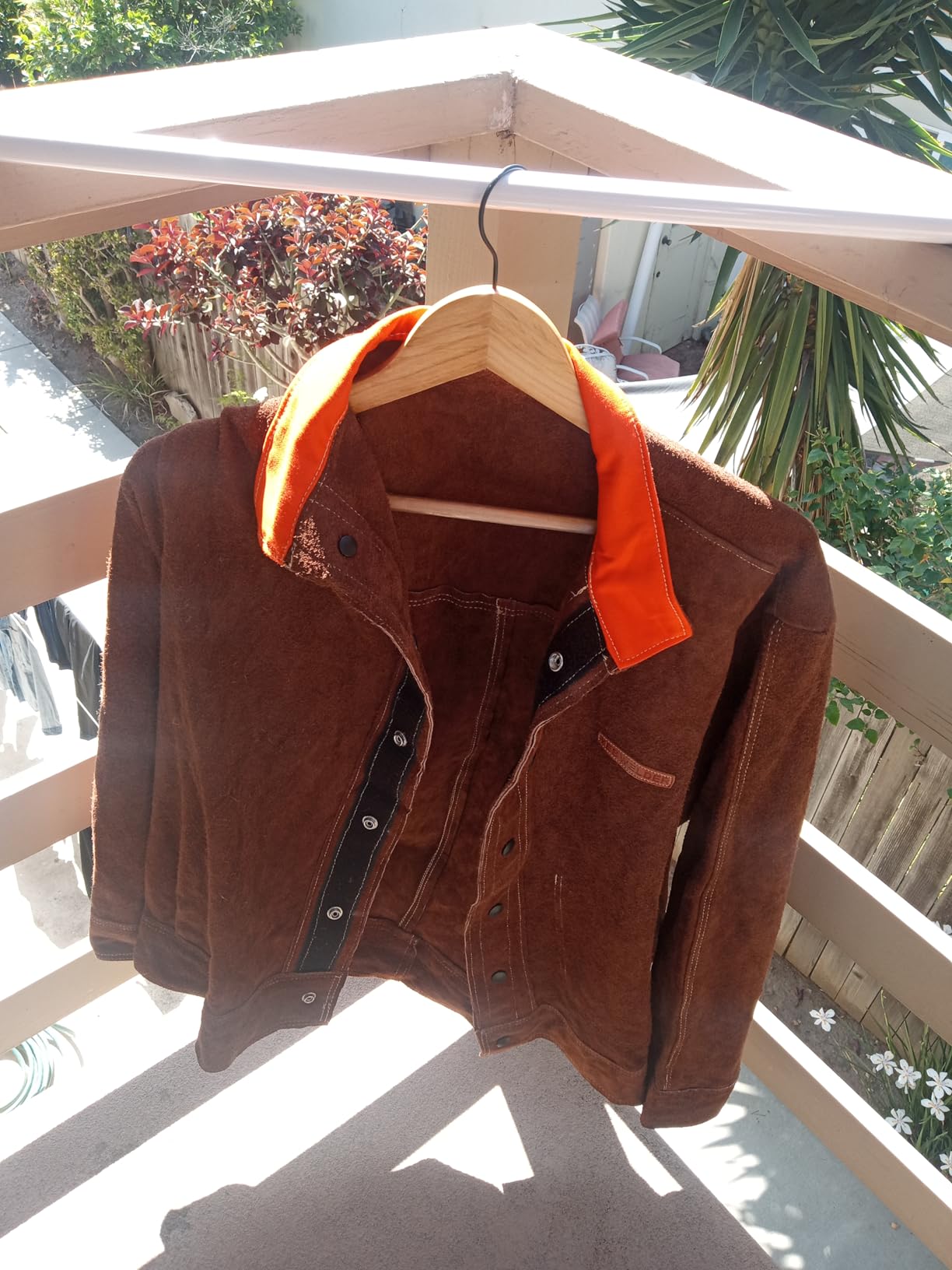
The YESWELDER leather jacket sits in the middle of the leather group: heavier and more protective than the hybrids, but lined with a soft moisture-wicking cotton so it is more wearable than a raw hide. That lining is the reason we recommend it for mixed garage work rather than dedicated heavy fabrication.
Construction is solid. Heat-resistant flame-retardant split cowhide, double stitched with US Kevlar thread, copper-plated buttons and 100 percent leather construction throughout. The stand-up band collar protects the side of your neck, which is where spatter lands when you are working a horizontal fillet on a frame at waist height.
Six pockets give you room for a soapstone, a welding pencil, a tape measure and your phone, which is more than most jackets in this list manage without a separate tool pouch. Buyers also report using it for cutting I-beams and, more than once, as a motorcycle jacket, which tells you how the leather ages.
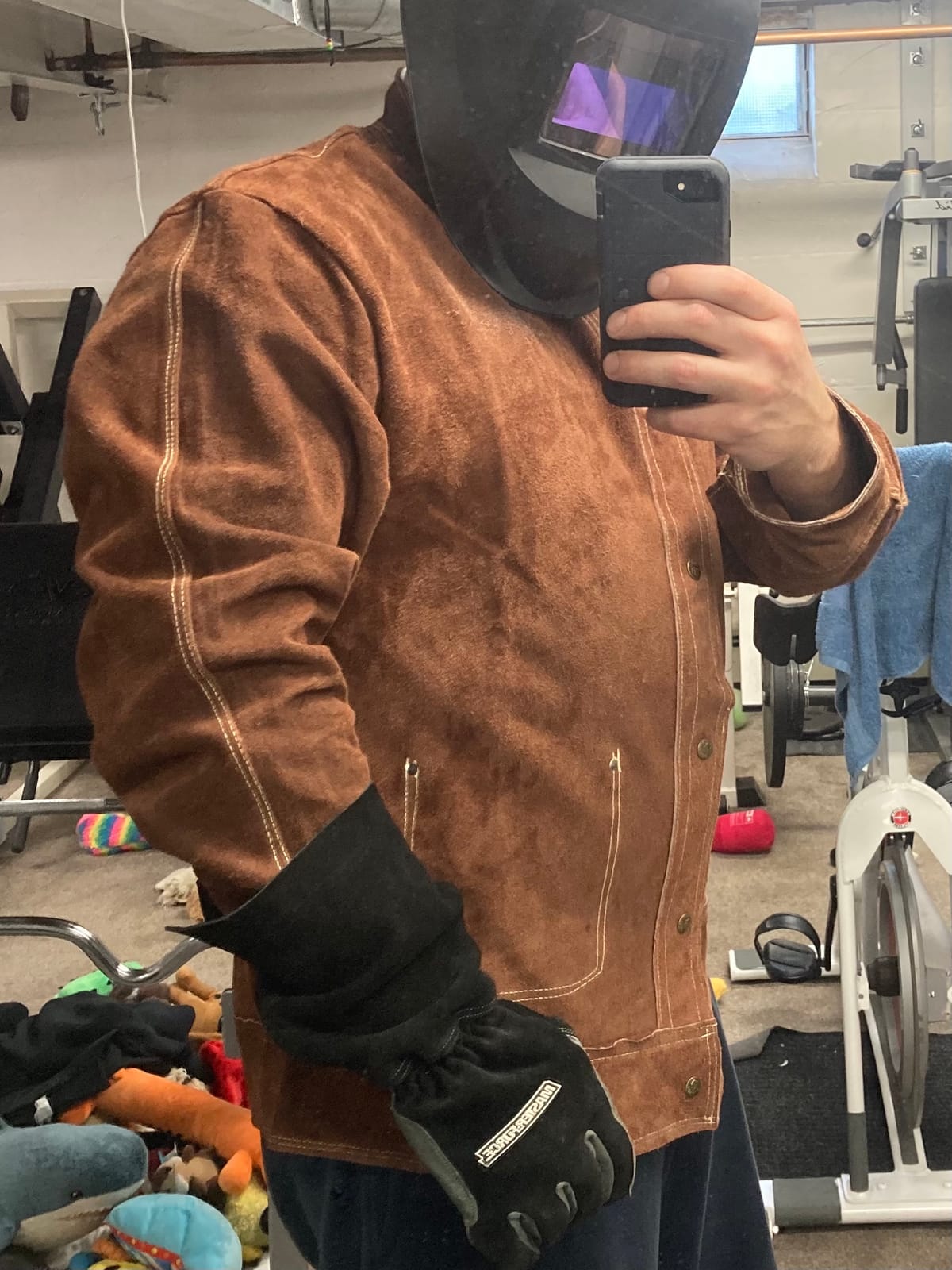
Fit is the thing to watch. Sizing is inconsistent across the listing: some wearers get a body that runs large and sleeves that are correct, others get oversized sleeves on a body that fits. The fix is the same as with any leather coat, try it on over what you weld in, and be honest about the shoulder seam.
The most common complaint is the missing sleeve soapstone pocket. With no dedicated holder, you either tuck a soapstone into the chest area or wear a separate pouch, which is mildly annoying but not a safety issue.
What the YESWELDER leather jacket is best for?
Home welders who weld several different processes in one week. A cotton coat for the MIG days, this for the stick and flux-core days, and you have not had to buy a full leather coat that is too hot for the majority of your work.
It is also a good choice if you want one jacket that can leave the garage. The cotton lining makes it comfortable enough for a ride or a trip to the hardware store without smelling like a fire extinguisher.
Where the YESWELDER leather jacket falls short?
The collar is a stand-up band rather than a full welder’s collar, so neck coverage is good but not sealed. For overhead work, tuck it up if you can. The leather smell needs a few days of airing, as with any new hide.
And if you are working in a hot garage doing nothing but flat MIG, this is more coat than you need. Match the jacket to the process or you will end up taking it off and welding in a t-shirt, which defeats the purpose.
5. Lincoln Electric Split Leather Sleeved Jacket – Best Hybrid Protection
Lincoln Electric unisex adult Traditional Split Leather Sleeved Welding Jacket, Black, Large US
FR cotton body with leather sleeves
ASTM D6413 body
2.1 pounds
Flip-up collar
Pros
- Hybrid build balances protection and heat management
- Leather sleeves survive heavy spatter and grinding
- Chrome-plated snaps and a true-to-size fit
- Owners report years of service from one jacket
Cons
- Body length stops around the belt on taller wearers
- Sleeves run slightly long on some body types
- No exterior pocket for a soapstone or scribe
This is the most complete hybrid in the roundup, and the one we would put on a hobbyist who is starting to take on more varied work. The body is 9 oz. FR black cotton with an anti-static coating, rated ASTM D6413, and the sleeves are high-grade split cowhide leather.
That construction solves the exact problem with hybrids. Your forearms and wrists, where spatter and grinding sparks hit hardest, get a hide barrier that will not burn through. Your torso gets cotton that moves air. Professional fabricators wear this configuration because it works, and the two-pound weight confirms it is not a heavy coat in disguise.
The flip-up collar protects the neck from arc rays and spatter, and the chrome-plated metal snap cuffs are adjustable at both the wrist and the forearm, which is where most welder burns actually start, sliding down between glove and sleeve.
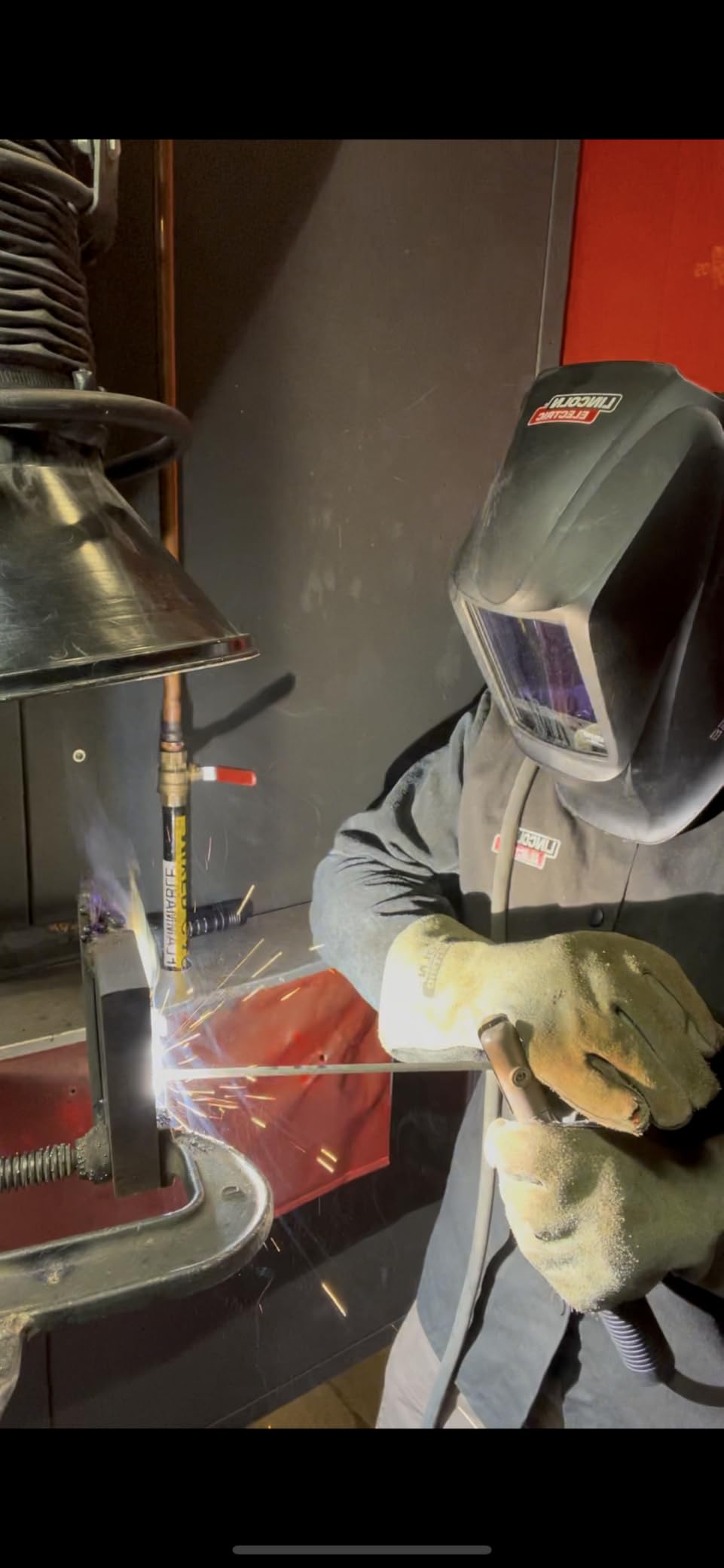
Owners report multi-year lifespans and rebuys, which puts this jacket in a different durability class from the cloth options. The leather sleeves survive welding, plasma cutting and fabrication work without burn-through, while the cotton body keeps you from overheating in a way that a full leather coat would not.
Two nits come up repeatedly. The body length stops around the belt, so a taller welder gets less torso coverage than they might want, and there is no exterior pocket with a flap for a soapstone, scribe or pencil. Most owners solve the second with a leather apron.
What the Lincoln Electric split leather jacket is best for?
Hobby welders whose work has grown past a single process. If you now do MIG on the car, stick on the trailer and plasma cutting on occasion, this is the jacket that covers all three without cooking you in July.
It is also our pick for anyone upgrading from a first 9 oz. cloth jacket who wants more protection but does not want to jump straight to a four-pound hide coat.
Where the Lincoln Electric split leather jacket falls short?
Length. On a taller frame, the hem stopping at the belt leaves the lower back exposed when you bend over a bench, and the sleeves can run long enough to bunch at the wrist before the snaps cinch them down.
There is no scribe or soapstone pocket outside, which matters more than it sounds when you are marking a plate in position. Plan on a tool pouch or an apron.
6. Miller Classic Cloth Welding Jacket – Best for Hot Garages
Miller Classic Cloth Welding Jacket, 9oz Navy Cotton, XL, Flame Resistant
9 oz. pre-shrunk FR cotton
1.5 pounds
Barracuda stand-up collar
34 inch sleeves
Pros
- The lightest jacket here at 1.5 pounds
- Breathable enough for hot garage work
- Packs small enough to fit inside a welding mask
- Looks like an everyday jacket
Cons
- Thin cloth that will not repel heavy sparks or spatter
- Heavy grinding can eat through fabric in five to six months
- Overhead stick work needs leather
The Miller Classic Cloth is the lightest welding jacket we tested, at 1.5 pounds, and for a specific situation that is the entire point: welding in a garage with no fan, no air conditioning and a July afternoon outside.
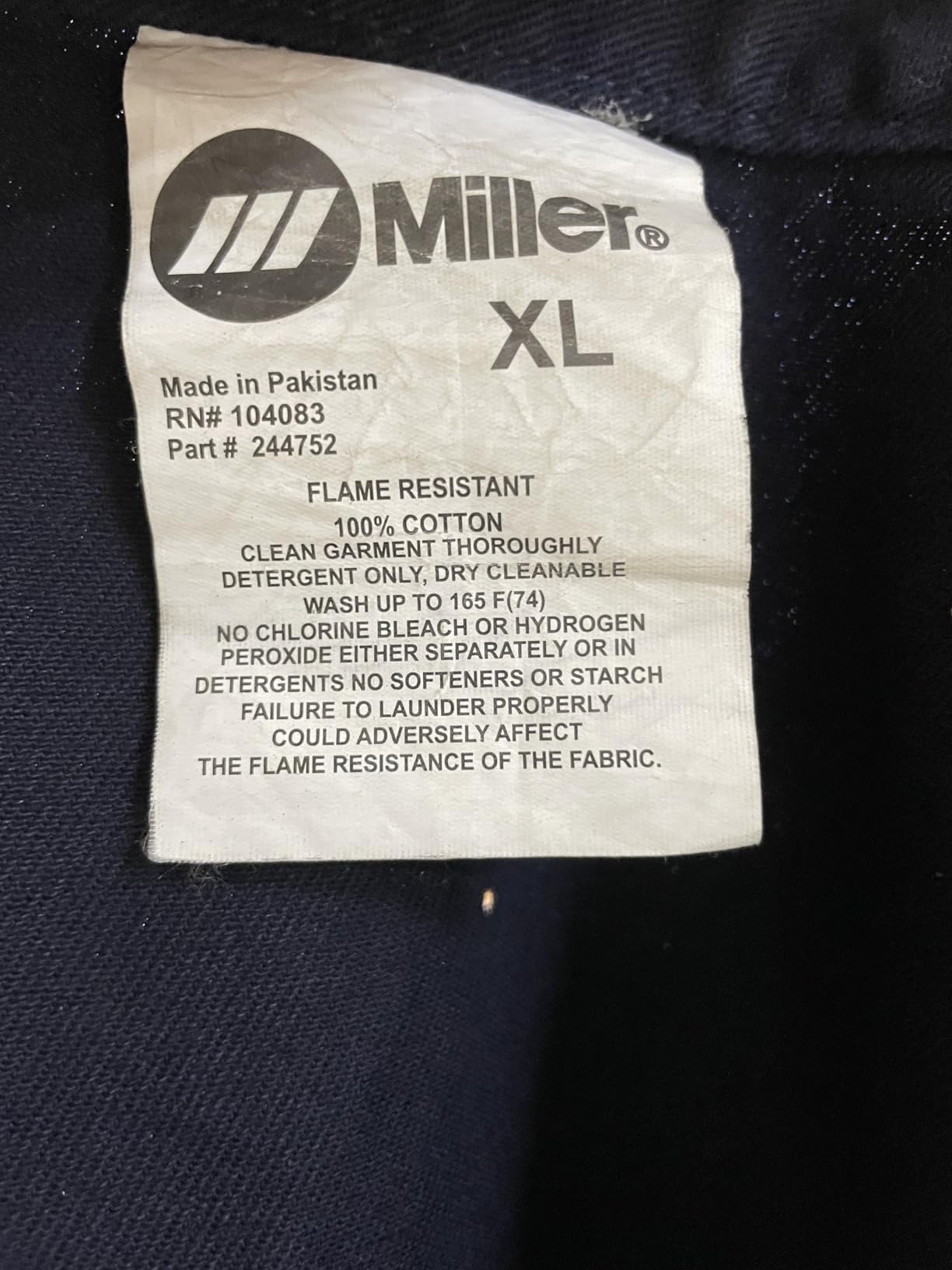
It is pre-shrunk 9 oz. flame-resistant cotton in navy, with a Barracuda-style stand-up collar for neck protection. The fold-in sleeve snaps at the wrist keep sparks out where they are most likely to find skin, and the inside pocket gives you somewhere for a pencil or a small wrench.
One detail we did not expect to matter: it packs down small enough to fit inside a welding mask. If you are a mobile welder doing gates, railings or repairs off-site, that is a genuine convenience that no other jacket in this list matches.
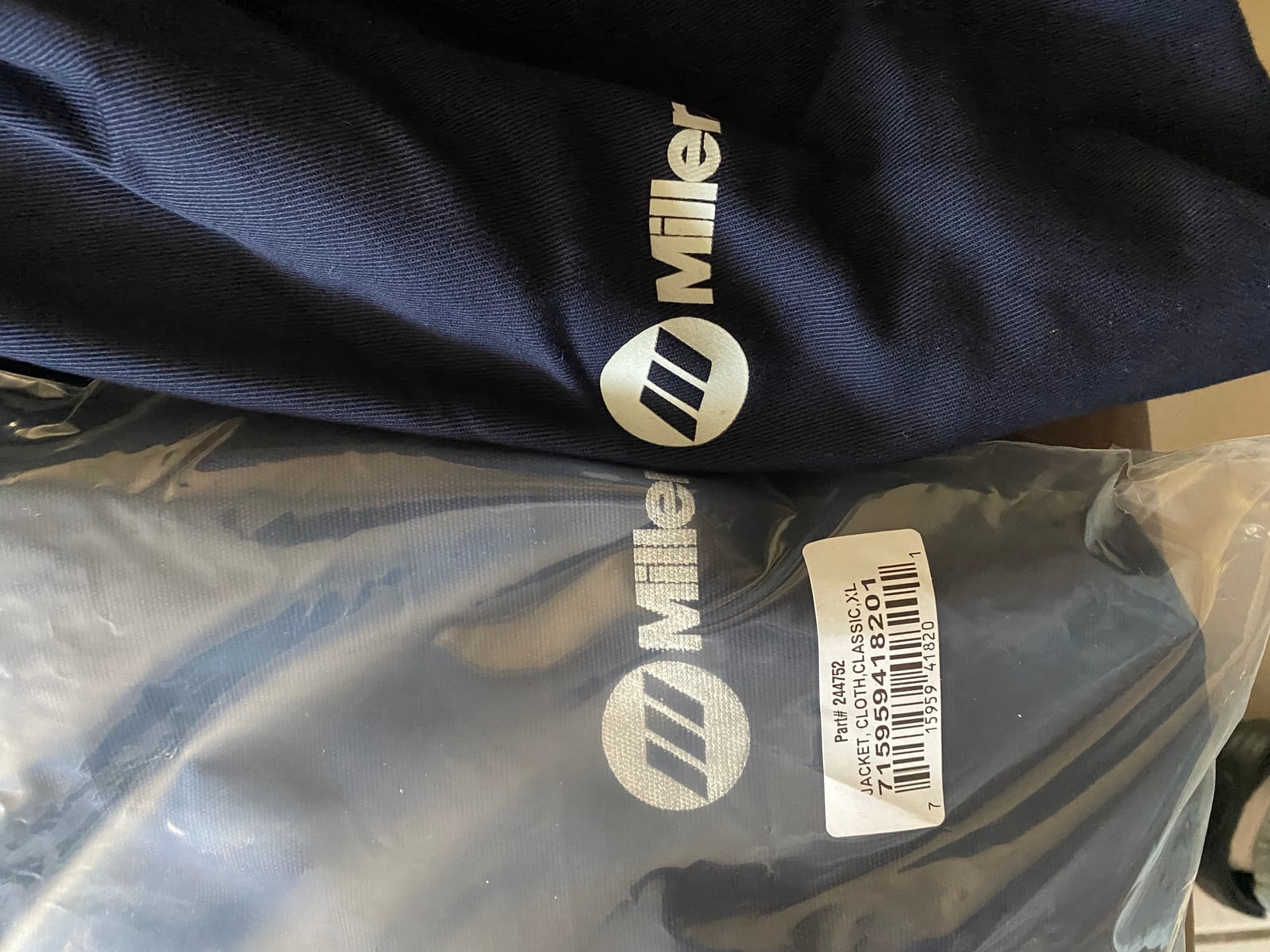
The sizing is measured and published: 54 inch chest, 20 inch shoulders, 34 inch sleeves, 30 inch torso length, in this listing at X-Large. That level of specification makes ordering online much less of a gamble, and reviewers call the fit true to size.
Another underrated benefit is that it looks like an ordinary jacket. Several owners weld in front of customers without an apron, which is a real consideration if you do any work outside the garage.
What the Miller Classic Cloth jacket is best for?
Flat and horizontal MIG and TIG in a hot space, light grinding and cutting, and beginners who want the least heat penalty of anything on this list. It is also the easiest jacket to wear for a full afternoon without taking it off.
If heat is the thing keeping you from welding in summer, this is the jacket that solves it. Nothing else in the roundup moves air like 1.5 pounds of pre-shrunk cotton.
Where the Miller Classic Cloth jacket falls short?
It is not a spatter jacket. Thin cloth will not repel heavy sparks or large spatter, and burn-through is possible. Reviewers doing heavy grinding report replacing it in roughly five to six months, which is fine for occasional weekend work and a poor fit for daily use.
Overhead stick welding needs leather, full stop. The light body cannot hold radiant heat off your upper arms for a long pass, and this is the jacket most often bought by mistake for that reason.
7. MAGID SparkGuard 12 oz. FR Cotton Jacket – Best Heavy Cotton Protection
MAGID SparkGuard Flame Resistant Green Welding Jacket, 1 Jacket
12 oz. cotton sateen
ASTM D6413-99 rated
30 inch length
Light green
Pros
- Heavier 12 oz. cotton gives a denser spatter barrier than 9 oz.
- Far less stuffy than leather on long shifts
- Flame resistance certified through 50+ industrial washings
- Riveted breast pocket and reinforced snaps
Cons
- High-visibility green is not a color everyone wants
- Lay-down collar gives less neck coverage than a stand-up welder's collar
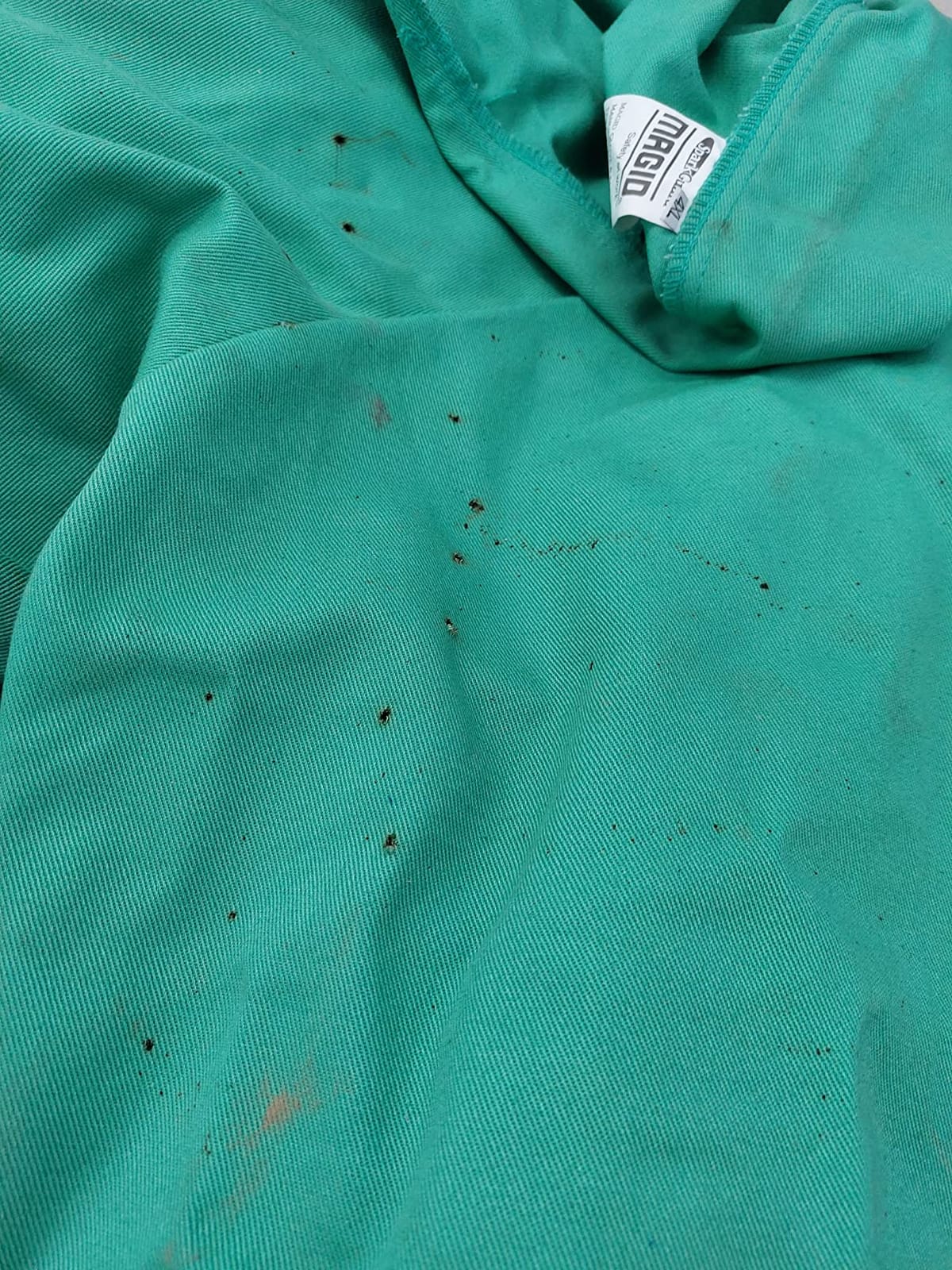
The MAGID SparkGuard answers a specific question: can you get leather-like density without leather heat? At 12 oz. of cotton sateen, this is the heaviest cotton jacket in the roundup, and the fabric is dense enough to block spatter and radiant heat in a way 9 oz. cloth cannot.
It is certified ASTM D6413-99 and retains its flame resistance through more than 50 industrial washings. That number is unusually specific and unusually important, because washed FR cotton is where a lot of jackets quietly stop performing. If you wash your coat regularly, this is the one to buy.
Snap closures are leather-reinforced and non-reflective, at both the placket and the wrists, and there is a riveted inside left breast pocket. At 1.7 pounds it is heavy for cotton but still far lighter than any leather coat here.
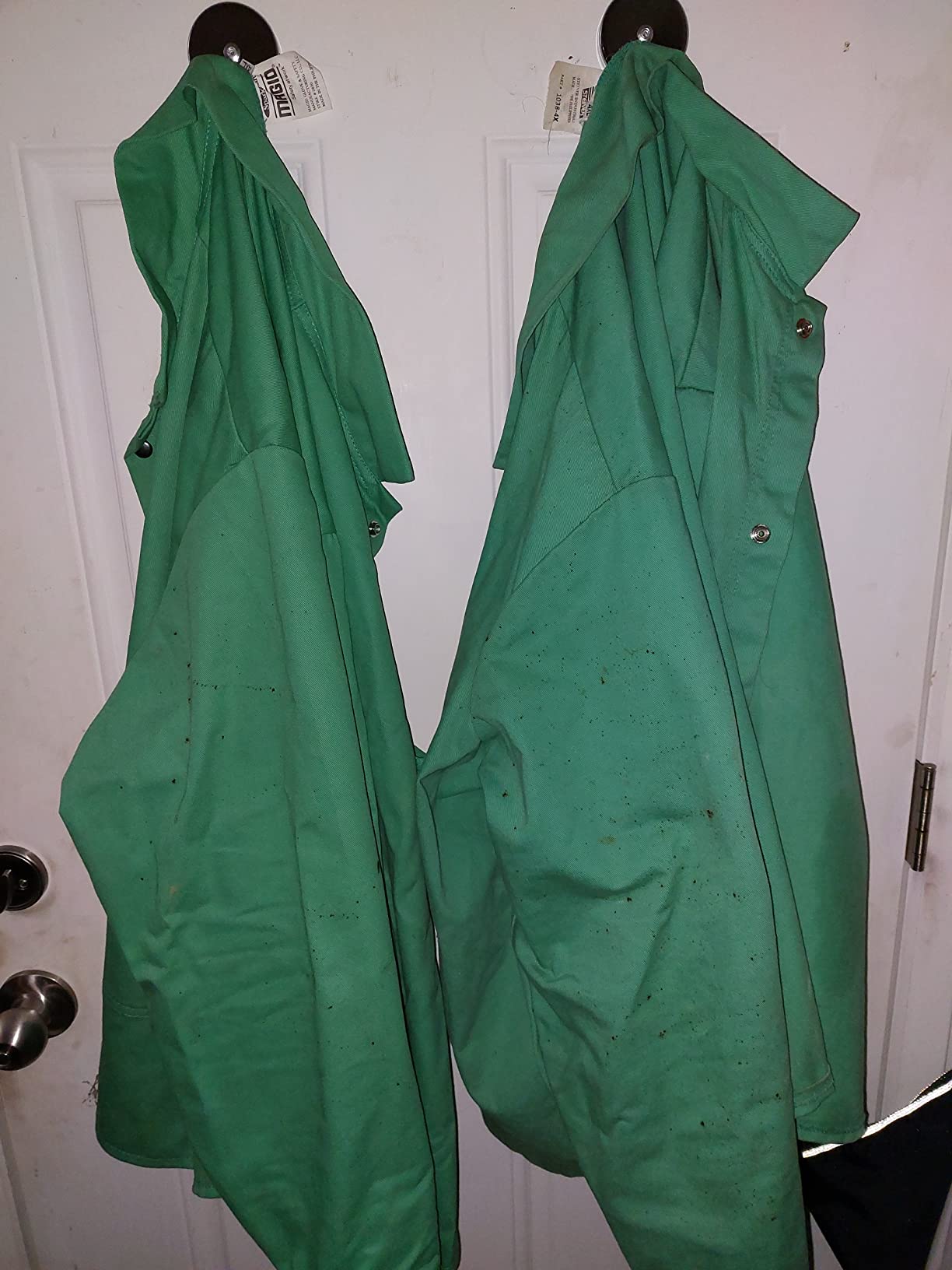
The light green color is a genuine work feature rather than a style choice. High-visibility green makes you easier for anyone moving equipment or vehicles around the shop to spot, and it is the reason crews tend to buy this one.
The lay-down collar is the trade-off. It sits flat against the neck, which is comfortable, but it gives you less coverage than the stand-up welder’s collar on the Black Stallion or the Miller. If you work vertical or overhead, tie a bandana or add a separate neck cover.
What the MAGID SparkGuard jacket is best for?
Hobby welders who want more spatter protection than 9 oz. cloth gives without committing to a leather coat and the heat that comes with it. It is a genuinely useful middle step for someone whose cloth jackets keep getting holed by grinding sparks.
Anyone who launders their PPE regularly should look here first, because the 50-plus wash certification is the feature that keeps the jacket compliant over years of use.
Where the MAGID SparkGuard jacket falls short?
Neck protection, as covered above. The lay-down collar is the weakest link on an otherwise well-built jacket, and it is the wrong choice if you spend your time vertical or overhead.
The color is also a genuine non-starter for some people. If you would rather not be the high-visibility jacket in the garage, this is not that.
8. Revco Black Stallion FR Cotton and Cowhide Hybrid – Best for Scribe Pockets
Revco Black Stallion (FRB9-30C/BS) 30″ Length, 9 oz Flame-Resistant Cotton & Cowhide Hybrid Welding Jacket, Standup Welder’s Collar, Dual Scribe Pockets, Large, Royal Blue and Brown
FR cotton body with cowhide sleeves
Stand-up welder's collar
Dual scribe pockets
30 inch length
Pros
- Cowhide sleeves add abrasion and puncture resistance
- Raised welder's collar against sparks and molten metal
- Dual scribe pockets on both front and sleeves
- Cotton body keeps the jacket light for grinding and cutting
Cons
- Cotton body suits light welding rather than heavy production work
- Only a single Large size in this listing
The Revco Black Stallion hybrid puts cowhide where it counts and cotton everywhere else. Split cowhide leather sleeves take the sparks, slag and radiant heat, and the 9 oz. flame-resistant cotton body handles light welding, grinding and cutting without turning into a sauna.
What separates it from the other hybrids is the pocket layout. Dual scribe pockets mean you can carry a welding pencil and a soapstone at the same time, which sounds minor until you are marking a cut line on hot, dirty steel with gloves on and both hands busy.
The raised welder’s collar adds a layer of protection between the neck and the arc, and snap front and wrist closures keep the closure secure and the sparks out. It is cotton lined, and the whole jacket is machine washable, which is unusual for a hybrid with leather sleeves.
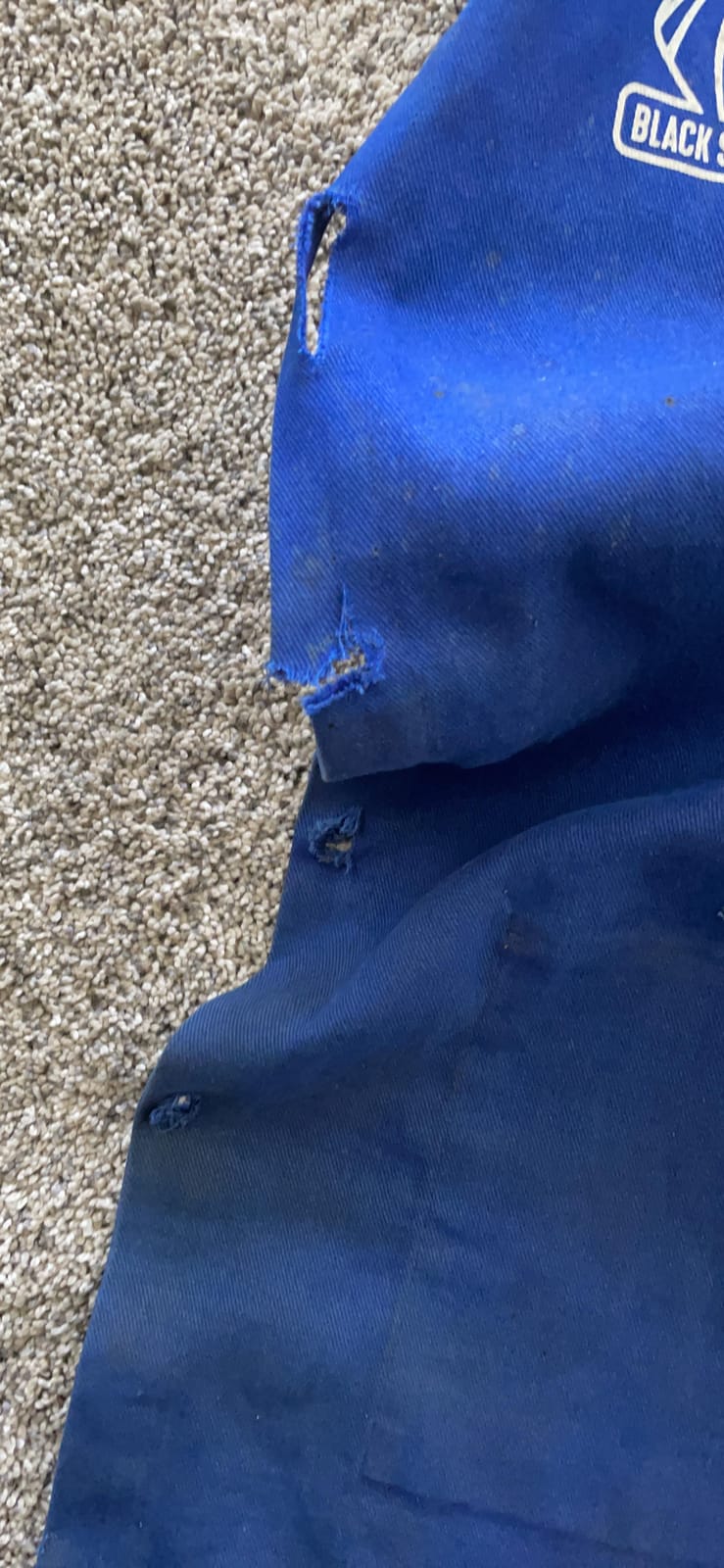
The fit is the issue. In this listing, the size offered is Large, and if you are not a Large, this is not a jacket you can order sight unseen. Check the chest measurement against a coat you already own before you commit.
Buyers consistently point out that the leather sleeves are the component taking the abuse while the body stays cool, which is the whole design intent. If you are doing light-to-medium work with the occasional spark shower, that is exactly the balance you want.
What the Revco Black Stallion hybrid is best for?
Light welding, grinding and cutting where you want a cowhide sleeve without a full leather coat, plus anyone who works with both hands and needs a scribe and a soapstone within reach at all times.
It is a good second jacket for a hobbyist moving from flat MIG into occasional fabrication, and the washable construction suits someone who does not want to maintain a leather conditioner routine.
Where the Revco Black Stallion hybrid falls short?
The cotton body is the limit. It suits light welding, not heavy production work, and it will not give you the burn resistance of a 12 oz. cotton or a leather panel. If your spatter load is genuinely heavy, step up a family.
Single-size availability in this listing is the practical problem. Confirm your measurement first, because a wrong guess here means a return, not an adjustment.
9. Revco Black Stallion BXRB9C Contoured Jacket – Best for Torso Coverage
Revco Black Stallion (BXRB9C) BSX 9 oz Contoured Flame-Resistant Cotton Welding Jacket, Welder’s Collar, Dual Scribe Pockets, Leather-Reinforced Snaps, X-Large, Royal Blue
9 oz. treated FR cotton
32 inch front length
Dual scribe pockets
Adjustable waist
Pros
- Extended 32 inch length covers more torso than standard coats
- Chemical treatment resists ignition and slows flame spread
- Dual scribe pockets plus two inside pockets
- Adjustable waist straps keep the hem close
Cons
- All-cotton build is light duty against heavy spatter
- X-Large is the only size in this listing
The BXRB9C solves a problem most 30-inch coats create: when you lean over a workbench to weld a frame, a standard coat rides up and leaves a strip of lower back exposed. This one is 32 inches at the front, with 30 inches from shoulder to hem, and it has adjustable waist straps with two snap positions to hold the extra length in place.
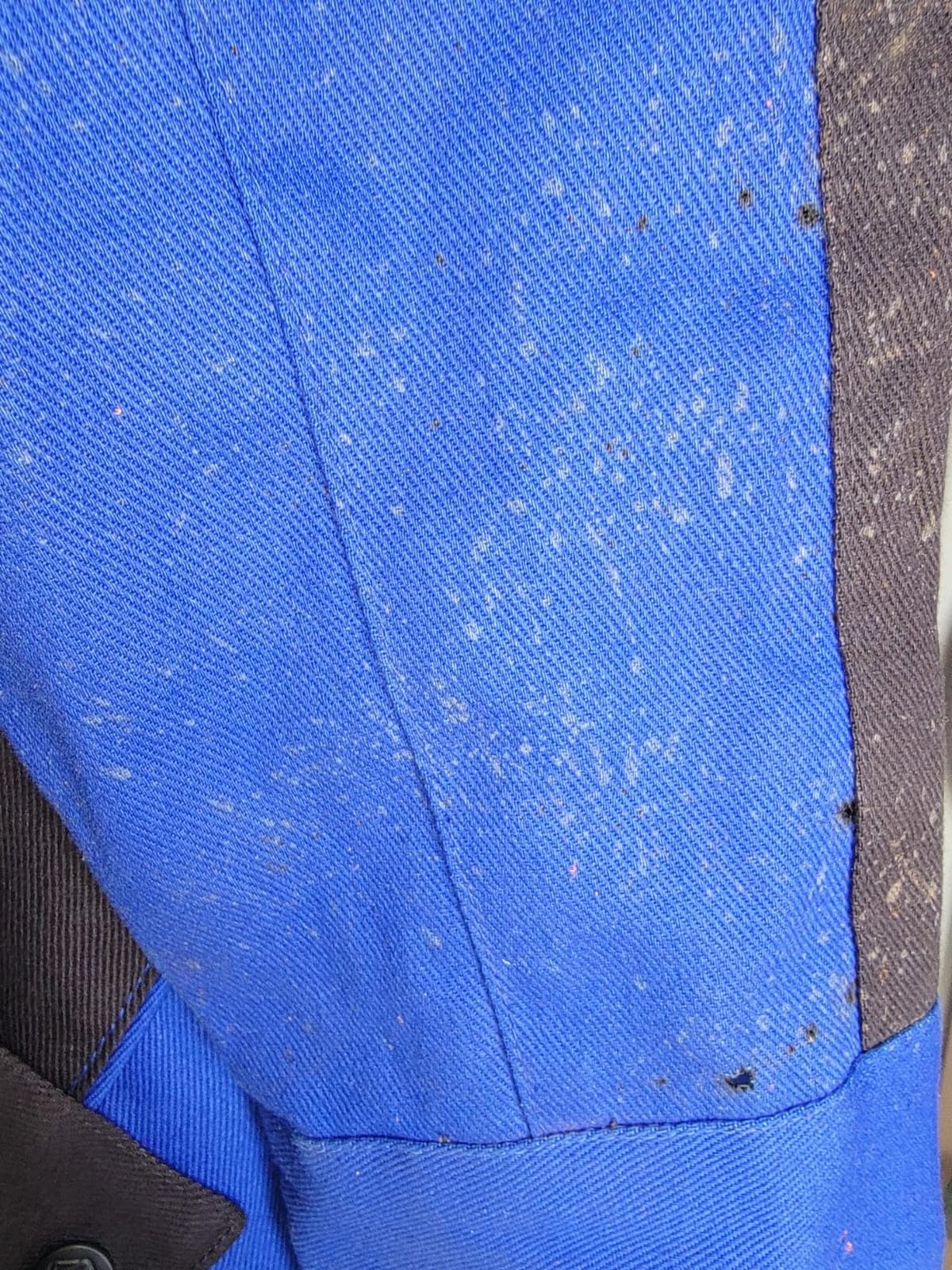
The fabric is chemically treated 9 oz. flame-resistant cotton. The treatment resists ignition and slows flame spread, and the jacket is specified to protect against flash fires, arc flashes and molten metal splatter, which covers the three hazards a home welder is most likely to meet.
Pockets are unusually well thought out for cloth: dual scribe pockets on the sleeves, a left inside pocket and a zippered right inside pocket. The zipper matters more than it sounds, because loose items in an inside pocket of a welding coat are a burn waiting to happen.
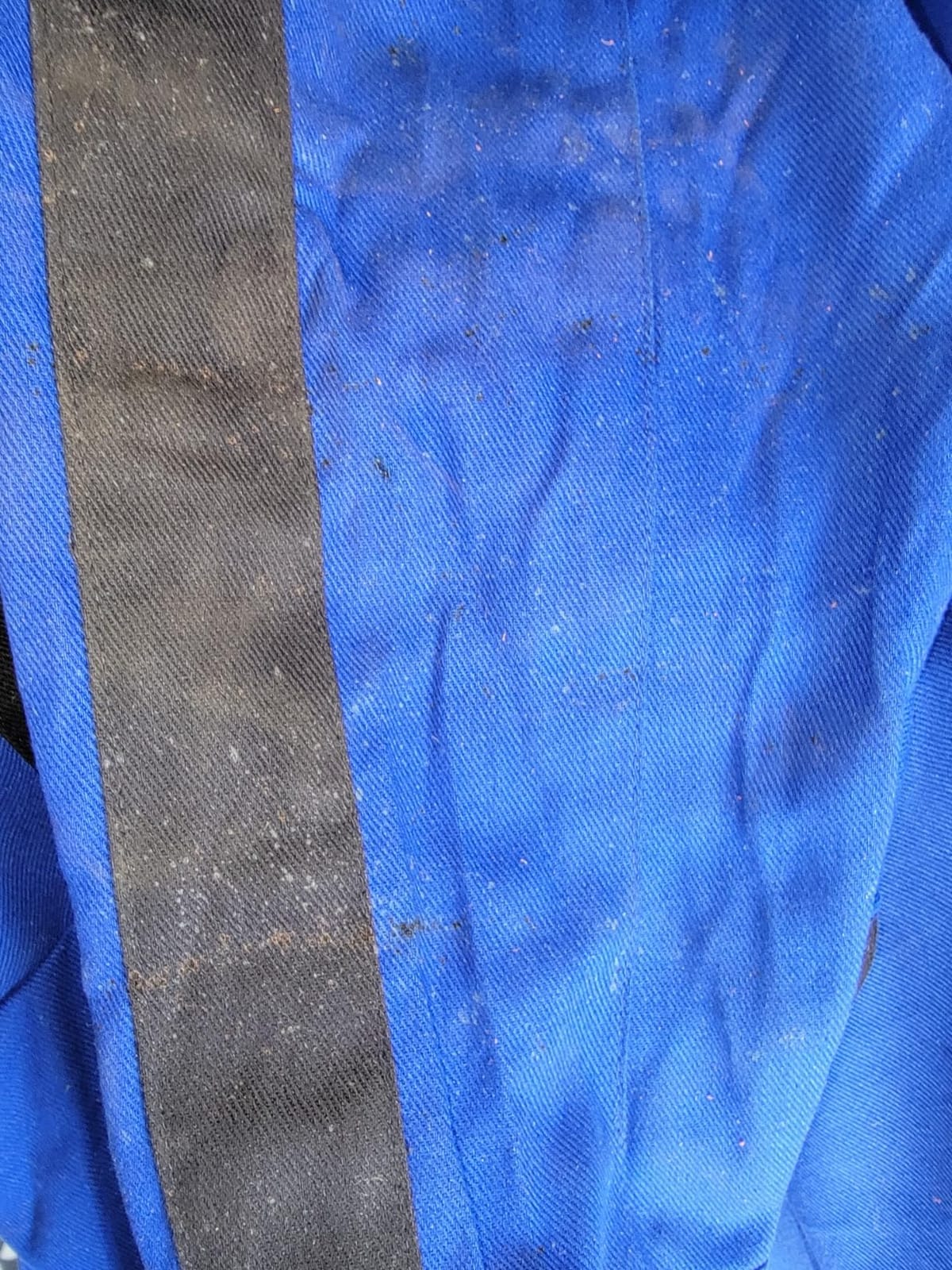
Contour fit is the other selling point. Rather than a straight boxy cut, this jacket is shaped through the waist, and combined with the adjustable straps it stays put when you are reaching overhead or twisting into an awkward position.
Closure is a zipper and snap with leather-reinforced snaps, and the welder’s collar has adjustable snap options so you can set how high it stands.
What the Revco BXRB9C is best for?
Hobby and light shop welders who want more torso coverage than a standard cloth coat, plus anyone who bends and reaches constantly at a bench. The longer body and adjustable waist make it a good pick for a taller or broader welder who finds 30-inch coats cropped.
The scribe pockets and zippered inside storage also make it a strong pick for layout and fit-up work, where marking tools are in constant use.
Where the Revco BXRB9C falls short?
All-cotton is all-cotton. This is not the jacket for heavy spatter, sustained grinding or overhead work, and owners are clear that it is a light-to-medium duty garment.
Size availability in this listing is limited to X-Large, so check the 32 inch front length against your height before ordering. It is also worth noting that the waist adjustment is what makes the extra length work, so cinch it properly on the first wear.
10. YESWELDER 11 oz. FR Cotton Jacket – Best for Welding School
YESWELDER Welding Jacket 11oz Flame Resistant FR Cotton Welding Jacket
11 oz. NFPA 2112 FR cotton
Stand-up collar
Short length
Unlined
Pros
- Heavier 11 oz. fabric blocks slag better than 9 oz. cloth
- Stand-up collar covers the neck under the hood
- True to the size chart with sleeves clear of the work
- Good value for students and hobby welders
Cons
- Button closures can pull out of the fabric over time
- Runs small for larger buyers who need to size up
- Unlined so it offers little warmth in cold weather
At 310g, or 11 oz., this is the middle weight of the FR cotton options, and it sits exactly where many hobby welders should. It is heavier than a 9 oz. cloth so it blocks slag and splatter better, and much lighter than a 12 oz. sateen coat or any leather jacket.
It is NFPA 2112 certified, and the stand-up collar covers the neck, which is the part most exposed when you are looking down into a joint under a hood. The covered chest pocket and arm pocket keep a welding pencil and a soapstone available without them falling out of an open pocket.
It is specified for TIG and MIG welding, which makes sense: the light-to-medium duty envelope is where a first jacket lives. It is unlined, which is exactly why it moves the way it does in a warm shop.
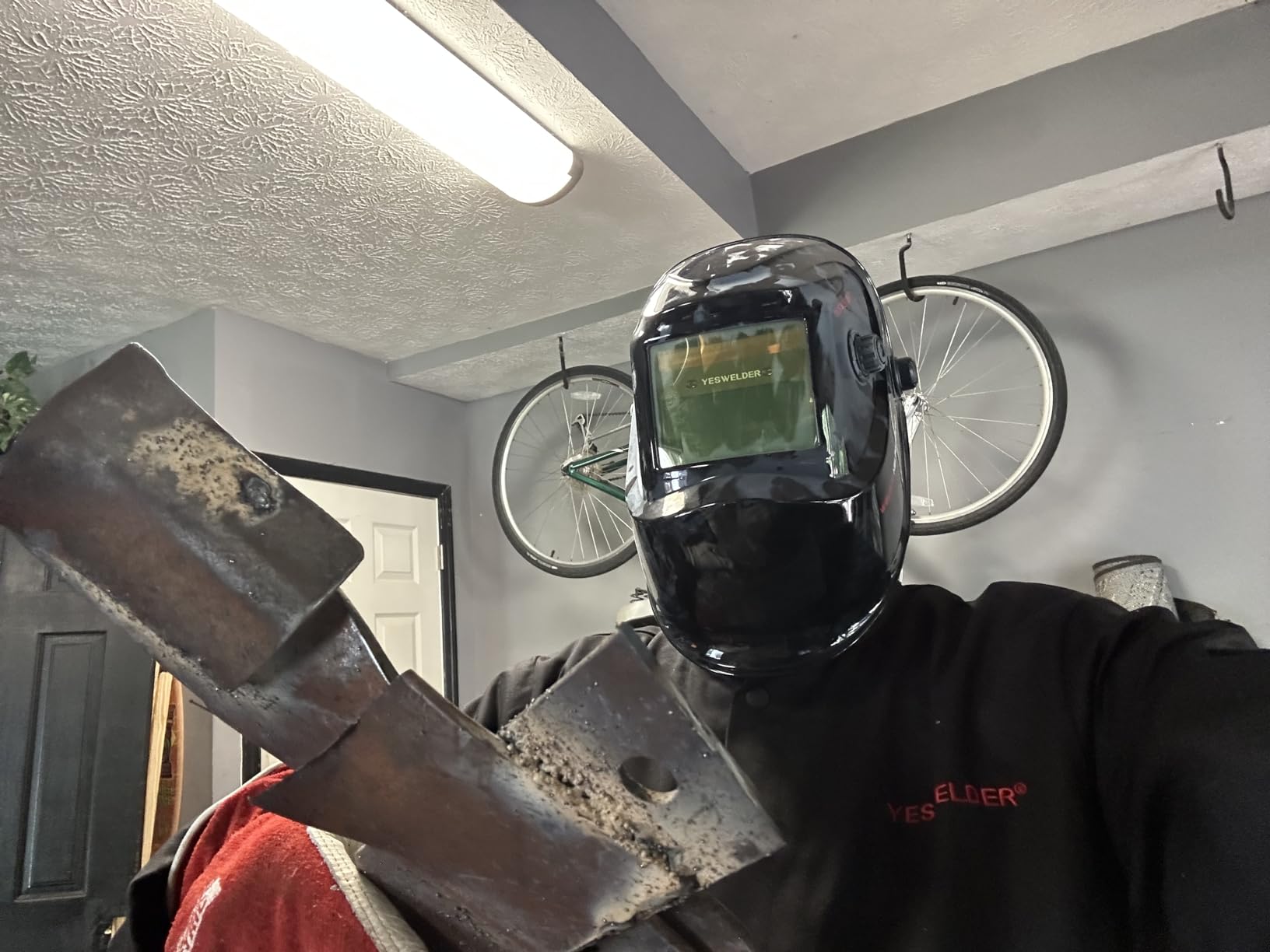
Care is a little unusual. The jacket is dry cleanable and washable up to 165F, so you cannot put it in a hot cycle, but you can launder it at a cool temperature and it will keep its certification. The instruction sheet is clear on this, and following it is the difference between a jacket that lasts and one that does not.
Buyers pair it with the same brand’s gloves and hood, and it shows up often in welding school contexts, which is a fair signal about where it sits in the price-to-performance picture.
What the YESWELDER 11 oz. jacket is best for?
Beginners, welding school students, and hobby welders doing MIG and TIG who want more protection than 9 oz. cloth without the heat of leather. The 11 oz. weight is the most useful single number in this roundup for a first-time buyer.
It is also a good pick for anyone who works somewhere cold as well as warm, because being unlined means you can wear a base layer underneath in winter and strip it in summer.
Where the YESWELDER 11 oz. jacket falls short?
Hardware durability is the main drag on its rating. The front button closures can pull out of the fabric over time, and a jacket that will not close is a jacket that ends up hanging on a hook. Inspect the buttons and the buttonholes the moment it arrives.
Sizing runs small for larger buyers, who generally size up. It is short length, and being unlined means it will not keep you warm in a cold garage. Buy it for moderate work, not heavy spatter.
How to Choose a Welding Jacket for a Home Garage?
Flame-resistant is not fireproof
Flame-resistant means the fabric will not continue to burn once the flame source is removed, so it will not contribute fuel to a fire. Fireproof would mean it cannot ignite at all, and no welding jacket claims that. A jacket protects you from sparks, spatter, radiant heat and a brief flash, not from direct contact with a stream of molten steel or an engulfing fire. The full system matters: helmet, gloves, FR pants, cap and a clear, ventilated work area.
FR cotton vs split cowhide vs hybrid
Choose based on the job, not on the label. This comparison is the core decision for anyone searching for the best welding jackets for home welders.
9 oz. FR cotton: the coolest option, machine washable, right for flat and horizontal MIG and TIG in a warm shop. Weakest against heavy spatter and overhead radiant heat.
11 to 12 oz. FR cotton: a denser barrier with a little more heat weight, better for grinding sparks and light stick work. Still breathable enough for most garages.
Split cowhide leather: the strongest protection against spatter, slag and radiant heat, and the right choice for stick, flux-core and out-of-position work. The hottest and heaviest option.
Hybrid (cotton body, leather sleeves): leather where sparks land most often and cotton where heat builds most. The most versatile pick for a hobby welder whose work has diversified.
If you can only buy one jacket and you mostly run MIG or TIG, a 9 oz. FR cotton coat is the correct answer. Buying full leather by default is the most common and most expensive mistake in this category.
Match the jacket to your process
Process determines exposure. MIG on flat plate throws moderate spatter and modest radiant heat. TIG is the cleanest and coolest process, and a light cloth coat handles it easily. Stick and flux-core produce the highest amperage, the most heat and the heaviest, hottest spatter, so they push you toward leather sleeves or a full hide coat. Overhead and out-of-position work concentrates heat on your upper arms and shoulders, which is where a cotton body gives up first.
For a beginner in welding school, MIG and TIG dominate the curriculum, and a cloth coat is both sufficient and comfortable. If you also own a stick welder for fence posts and repairs, add a leather-sleeve hybrid or a hide coat as your second jacket rather than buying one heavy coat and sweating through flat MIG work.
Garage heat and breathability
Heat is the number one complaint about leather in home shops, and it is worth taking seriously. An unheated garage in summer can sit well above comfortable room temperature, and radiant heat off a steel table reflects back into your torso. This is why a 9 oz. cotton coat at 1.5 pounds can be worn for a full afternoon while a 4.41 pound hide coat comes off after twenty minutes.
Look for cotton linings, lighter cotton weights, and a collar you can leave open when you are setting up. If you are heat-sensitive, buy the lighter jacket in the family that suits your process rather than the heaviest one available.
Collar and cuff spark exclusion
Most welder burns start at the neck, the wrist or the forearm seam. A stand-up welder’s collar or Barracuda-style collar closes the neck gap that a flat collar leaves under the helmet strap. Adjustable snap cuffs close over the top of your welding gloves so sparks cannot slide down between glove and sleeve. Chrome-plated or leather-reinforced snaps matter because a snap that tears out under gloves fails at the exact moment you need it.
Sizing when you buy online
Measure your chest and shoulder width, then compare against the published dimensions rather than your usual size, because these coats are cut to layer over a work shirt. Check the front length, since 30 inches and 32 inches feel very different when you are bent over a bench. If a listing offers only one size, measure before you order. Leather coats run small through the chest for broader frames more often than cloth coats do, so size up if you are between sizes and plan to weld in layers.
Care and washing by material
FR cotton is machine washable on most of these jackets, and the flame-resistant treatment is designed to survive laundering, though the MAGID jacket carries the strongest published claim at more than 50 industrial washings. Follow the stated temperature limits, and the YESWELDER 11 oz. coat is specified for washing up to 165F or dry cleaning only.
Leather coats should not go in a washing machine. Wipe them down, let sweat and spatter dry, and use a leather conditioner a few times a year. Conditioner keeps split cowhide from drying out and cracking, and it is the single best way to extend the life of a hide jacket.
Replace a coat when the fabric gets thin, shiny or hard in the spatter zone, when snaps pull out of the cloth, or when you notice burn-through holes. FR cotton degrades with heat and washing; leather mostly just gets stiffer.
When to upgrade from your first jacket?
Stay with a 9 oz. FR cotton coat while you are doing flat and horizontal MIG and TIG. Move up when one of three things happens: you start welding overhead or out of position, you begin running stick or flux-core regularly, or your current coat develops burn-through holes in the forearm and chest.
The upgrade path that works best is a cotton coat for the MIG days and a leather-sleeve hybrid or hide coat for everything else. Two jackets owned for years beat one heavy coat that sits in a closet because it is too hot to wear.
Frequently Asked Questions
What is the best material for welding jackets?
Split cowhide leather offers the strongest protection against spatter, slag and radiant heat, which makes it right for stick, flux-core and out-of-position work. Flame-resistant cotton in 9 oz. to 12 oz. weights is cooler and machine washable, and it is the better choice for flat and horizontal MIG and TIG in a warm garage. A cotton body with leather sleeves is the most versatile option for a hobby welder who does several processes.
What is the best clothing to wear while welding?
A flame-resistant welding jacket over a long-sleeve cotton shirt, paired with welding gloves rated for your process, FR trousers, a cap and a properly rated welding helmet. The jacket should have a stand-up welder’s collar and cuffs that close over your gloves to keep sparks out. Add leather sleeves or a hide coat if you weld overhead, out of position, or run stick and flux-core regularly.
Which brand of welding jacket is considered the best?
For most home welders we recommend the Black Stallion FN9-30C, a 9 oz. flame-resistant cotton jacket with a welder’s collar, leather-reinforced snaps and scribe pocket. It suits flat and horizontal MIG and TIG, stays cool in an unheated garage, and is the most widely reviewed jacket in this roundup. For stick and flux-core work, a heavy split cowhide coat such as the QeeLink is the better answer.
What are the best brands of welding clothing?
The brands that appear most often in both hobby and professional welding gear are Black Stallion, Lincoln Electric, Miller, Tillman, Steiner and Indura, with Revco and MAGID also well regarded for FR cotton. No single brand wins every category, so match the brand to the material you need rather than the other way around. Verify any listing carries a stated flame-resistance standard such as ASTM D6413 or NFPA 2112.
Can you machine wash a welding jacket?
Flame-resistant cotton jackets can usually be machine washed, and the treatment is designed to survive laundering. Always check the label for temperature limits, since some jackets specify washing up to 165F or dry cleaning only. Leather welding jackets must never go in a washing machine; wipe them down, air them out of the sun and condition the hide a few times a year instead.
Do I need a leather welding jacket for MIG welding?
Usually not. Most home MIG work is flat and horizontal, and a 9 oz. flame-resistant cotton jacket handles it while staying far cooler than leather in a warm garage. Move to a cotton body with leather sleeves, or a full hide coat, once you start welding overhead, running stick or flux-core, or generating enough spatter to burn through cloth. Many hobby welders own one of each and switch by process.
Final Verdict for Home Welders
After six weeks of comparing these jackets, the pick is not the heaviest one. The best welding jackets for home welders are the ones that match your process and your garage temperature, and for most people running MIG or TIG on a weekend, that is a 9 oz. flame-resistant cotton coat with a welder’s collar and cuffs that close over your gloves.
Our single recommendation is the Black Stallion FN9-30C. It is the most reviewed jacket here, the 9 oz. treated cotton stays genuinely cool, the leather-reinforced snaps hold up, and it works for light stick work too. If you need more, the Lincoln Electric split leather sleeved jacket is the natural second buy for heavier work, and the QeeLink split cowhide coat covers you for stick and flux-core.
Buy for the process you actually run, check the collar and cuffs before you pay, and replace the coat when the fabric thins. Whatever you choose, pair it with the rest of your PPE and run a fan in the summer. The best welding jacket is the one you will actually keep wearing.