
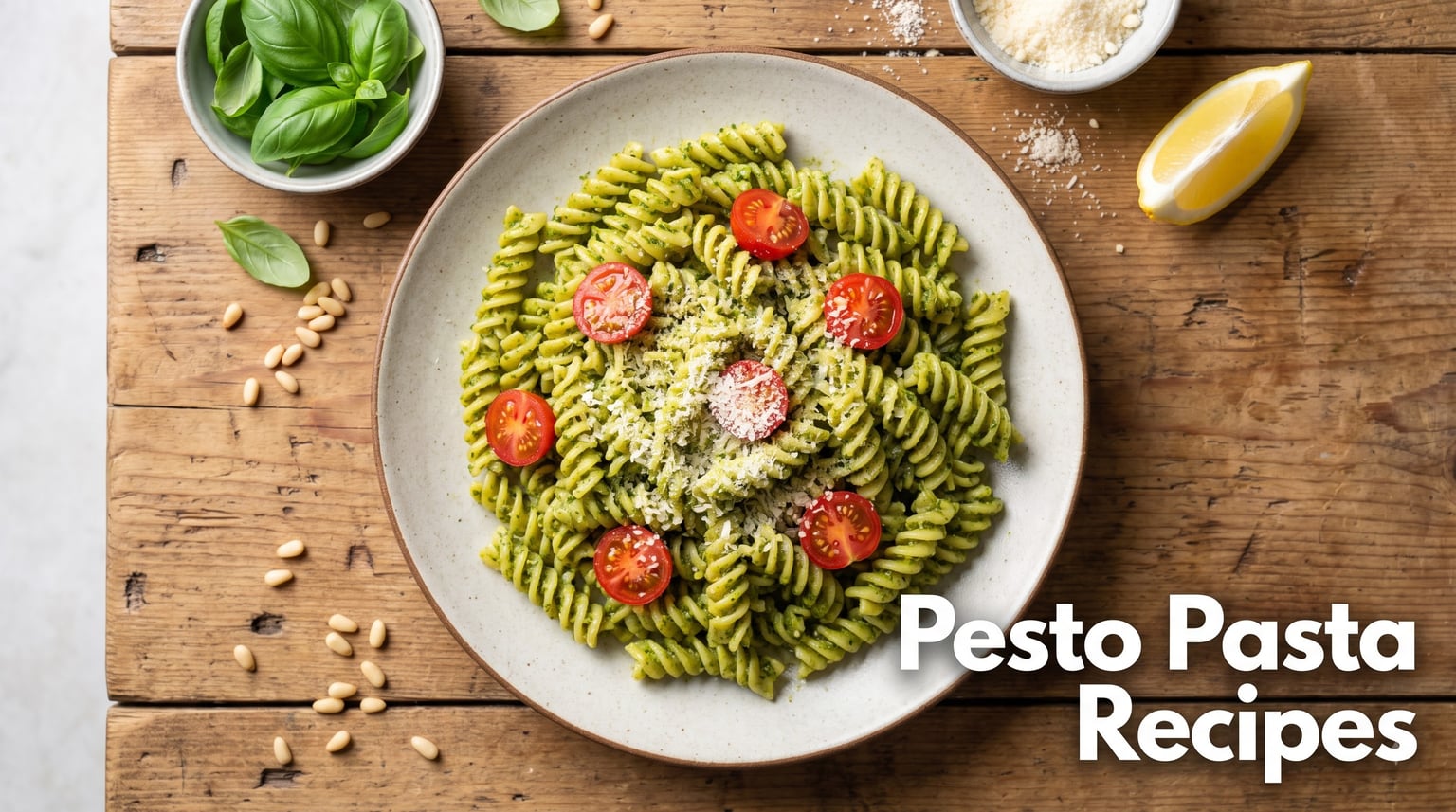
I made my first pesto pasta at 19 and it was awful. Dry, gluey, with basil that had turned the color of a bruised avocado by the time it hit the bowl.
Two decades and roughly 400 batches later, I can tell you this: the difference between sad pesto pasta and the kind you’ll dream about comes down to three things – pasta water, the moment you add the pesto, and the quality of your basil. That is the whole game.
This guide is the playbook I wish I’d had. You’ll get the science behind the sauce, four tested pesto pasta recipes (including how pesto stacks up against other popular pasta sauces), troubleshooting for every common failure, and a full FAQ answering the exact questions home cooks ask on Reddit at midnight.
Table of Contents
What Is Pesto Pasta and Why Does It Work So Well?
Pesto pasta is pasta tossed with pesto – a cold, uncooked Italian sauce traditionally made by pounding basil, garlic, pine nuts, parmesan, and olive oil together. The word “pesto” comes from the Italian verb “pestare,” meaning to pound or crush. In Genoa’s original method, cooks use a marble mortar and wooden pestle to grind everything into a coarse paste.
Why does pesto pasta work when so many sauce-and-noodle combos fail? Two reasons: fat content and texture. Pesto is roughly 50 percent olive oil by weight. Oil coats pasta differently than water-based sauces do. It clings to every groove, every ridge, every curve of the noodle. But on its own, oil and pasta repel each other – which is why most homemade pesto pasta comes out either greasy or bone-dry.
The fix is pasta water. The starch dissolved in cooking water acts as an emulsifier. It binds the oil in pesto to the surface of the pasta, creating a silky, glossy coating that sauce literally cannot do alone. Skip the pasta water and you’re eating dressed pasta. Use it correctly and you get restaurant-quality texture every time.
The 5 Ingredients That Make or Break Any Pesto
Before any technique matters, you need the right base ingredients. After testing dozens of supermarket options over the past year, here’s what actually moves the needle.
Fresh basil leaves: Bright green leaves with no black spots or wilting. If you can smell sweet, anise-like aroma before you even bruise a leaf, you’re good. Basil loses potency within hours of picking, so buy from farmers markets when possible. Two packed cups of leaves yields roughly 3/4 cup of pesto.
Pine nuts: Expensive but worth it in classic pesto. They toast from a slice pan in 3-4 minutes over medium heat – watch closely because they burn fast. For budget swaps, walnuts (milder), almonds (sweeter), or sunflower seeds (nut-free) work in a 1:1 ratio.
Parmigiano-Reggiano (not “parmesan”): The real stuff from Italy has a crystalline texture and sharp, nutty flavor that domestic parmesan lacks. Buy the wedge and grate it yourself – pre-grated cheese is coated in anti-caking agents that dull flavor.
Extra-virgin olive oil: This is where most home cooks go wrong. A buttery, mild California oil works fine in basic recipes. But pesto showcases the oil’s flavor directly, so spend an extra 2 dollars on a robust, slightly peppery oil. You’ll taste the difference.
Garlic cloves: Fresh only, peeled and roughly chopped. One to two cloves per batch, depending on size. Anything more and garlic dominates; you lose the basil.
Classic Basil Pesto Pasta Recipe (The Foundation)
This is the recipe I come back to 90 percent of the time. Master this and every variation below makes sense.
Serves: 4 | Time: 15 minutes | Difficulty: Easy
Ingredients:
1 pound (454g) dried pasta – spaghetti, linguine, or fusilli
2 packed cups fresh basil leaves (about 2 ounces)
1/3 cup pine nuts (or walnuts)
2 medium garlic cloves, peeled
3/4 cup finely grated Parmigiano-Reggiano
1/2 cup extra-virgin olive oil, plus more for finishing
1 teaspoon kosher salt, plus more for pasta water
1/2 teaspoon black pepper
1 tablespoon lemon juice (optional, brightens flavor)
Step 1: Toast the nuts. Add pine nuts to a dry skillet over medium-low heat. Toast 2-3 minutes, stirring constantly, until golden and fragrant. Remove immediately – they keep cooking from residual heat.
Step 2: Make the pesto. In a food processor, pulse the toasted nuts, garlic, and a pinch of salt until coarsely ground. Add basil leaves and pulse until roughly chopped. With the machine running, slowly stream in olive oil until you get a smooth but textured paste. Add parmesan and pulse just to combine. Over-processing heats the basil and dulls the color.
Step 3: Boil the pasta. Bring 4 quarts of water to a rolling boil. Add 2 tablespoons of salt – the water should taste like seawater. Cook pasta 1 minute less than package directions for proper al dente texture.
Step 4: Reserve pasta water. Before draining, scoop out 1 cup of the cloudy, starchy cooking water. This is the secret ingredient for silky sauce.
Step 5: Combine off the heat. Drain pasta and immediately transfer to a large mixing bowl (not the hot pot). Add pesto and 1/4 cup of reserved pasta water. Toss vigorously for 30 seconds, adding more pasta water by the tablespoon until pesto coats every strand with a glossy sheen. If the sauce looks dry, add more pasta water. If it looks oily, you used too much pesto.
Step 6: Finish and serve. Taste and adjust with salt and pepper. Drizzle with a finishing thread of olive oil and top with extra parmesan.
Why tossing in a bowl matters: Pasta retains heat after draining. Tossing in the pot continues cooking and overheats the basil, turning your sauce that bruised-avocado color. The bowl cools things just enough to protect the sauce.
Creamy Pesto Pasta with Heavy Cream
When you want something that feels indulgent but isn’t as heavy as alfredo, this version delivers. The cream mellows the basil’s sharpness and adds a velvety texture that clings to pasta like nothing else.
Serves: 4 | Time: 20 minutes
Ingredients:
1 pound fettuccine or penne
3/4 cup prepared basil pesto (homemade or quality store-bought)
3/4 cup heavy cream
1/2 cup pasta cooking water
1/2 cup grated parmesan
2 tablespoons butter
1/4 teaspoon red pepper flakes (optional)
Instructions:
Cook pasta in salted water until al dente. Reserve 1/2 cup pasta water before draining.
While pasta cooks, warm heavy cream in a large skillet over medium heat until it just begins to simmer – do not boil.
Reduce heat to low. Stir in pesto, parmesan, and butter until smooth and creamy. If the sauce looks thick, loosen with pasta water one tablespoon at a time.
Add drained pasta to the skillet and toss until fully coated. Finish with red pepper flakes for a subtle heat kick.
Tip: Never boil cream-based sauces. High heat breaks the dairy and you’ll end up with a grainy, separated texture. Low and slow is the rule.
Pesto Pasta with Chicken and Sun-Dried Tomatoes
This is the version I make for company. It hits every note – protein, bright acid from the tomatoes, richness from the cream, herbaceous punch from the pesto.
Serves: 4 | Time: 30 minutes | Best for: Date night, family dinners
Ingredients:
1 pound penne or rigatoni
1.5 pounds boneless chicken thighs (or breasts), cut into bite-sized pieces
1/2 cup oil-packed sun-dried tomatoes, drained and chopped
3/4 cup prepared pesto
1/3 cup heavy cream
2 tablespoons olive oil
3 garlic cloves, minced
1 teaspoon Italian seasoning
1/2 cup reserved pasta water
1/2 cup grated parmesan
Salt and pepper to taste
Instructions:
Cook pasta in salted water, reserving 1/2 cup water before draining.
While pasta cooks, season chicken with salt, pepper, and Italian seasoning.
Heat olive oil in a large skillet over medium-high heat. Add chicken and cook 5-6 minutes until golden and cooked through. Transfer to a plate.
Lower heat to medium. Add garlic and sun-dried tomatoes to the same skillet. Cook 1 minute until fragrant.
Stir in heavy cream and pesto. Bring to a gentle simmer.
Add cooked chicken and pasta. Toss with reserved pasta water until everything is coated in a glossy sauce. Top with parmesan.
Why chicken thighs: They stay juicy during the toss. Chicken breast tends to dry out by the time everything reaches the bowl.
How to Choose the Best Pasta Shape for Pesto?
Not all pasta shapes treat pesto equally. The sauce needs surface area to cling to. Smooth strands like capellini let pesto slide right off. Here’s the cheat sheet I’ve developed after testing 12 shapes head to head.
Best shapes for pesto:
Fusilli and rotini: The spirals are basically edible sauce pockets. Pesto gets trapped in every curve. Top choice.
Penne and rigatoni: Tube shapes with ridges (rigatoni especially) hold pesto inside and outside. The ridges act like little ramps for sauce.
Orecchiette: “Little ears” – the cup shape scoops up pesto on every lift. Traditional in Puglia for a reason.
Fettuccine and tagliatelle: Flat, wide noodles give pesto a long surface to cling to. Works beautifully in creamy variations.
Farfalle: The bow-tie shape has folds that trap sauce. Decent but not exceptional.
Shapes that work but are just okay:
Spaghetti and linguine: Classic choices, but the smoothness means more sauce slides off. You need extra pasta water to make them work.
Shapes to avoid for pesto:
Capellini (angel hair): Too thin. Pesto overwhelms it.
Pastina or orzo: Sauce-to-pasta ratio goes completely wrong.
Lasagna sheets: Too much flat surface, not enough texture.
Regional note: Traditionalists in Liguria pair trofie or trenette with pesto alla Genovese. These short, twisted shapes are hard to find outside specialty stores but worth seeking out for an authentic experience.
Beyond Basil: Pesto Variations Worth Trying
Once you’ve mastered classic basil pesto, the technique opens a door to a whole world of green (and red, and purple) sauces. Each swaps one or two core ingredients for something new.
Arugula pesto: Swap half the basil for arugula. You get a peppery, slightly bitter edge that pairs beautifully with sausage or grilled fish. Arugula is available year-round, making this a winter-friendly alternative when basil is out of season.
Spinach pesto: Replace basil entirely with fresh spinach for a milder, sweeter flavor. Kid-friendly because there’s none of basil’s sharp edge. Kids who turn up their nose at basil usually devour this version.
Walnut pesto (Pesto alla Noce): Substitute toasted walnuts for pine nuts and add a squeeze of lemon. Walnuts bring a deeper, earthier flavor that’s more filling. This style pairs well with rich, autumnal dishes.
Sun-dried tomato pesto (Pesto Rosso): Skip the basil entirely. Pulse sun-dried tomatoes with garlic, almonds, parmesan, and olive oil until chunky-smooth. This is actually a different beast – a reddish, intensely savory sauce that works as a spread, dip, or pasta sauce. For readers watching salt intake, our low-sodium pesto sauce recipe offers a smart technique you can adapt.
Nut-free pesto: Use sunflower seeds or pumpkin seeds (pepitas) instead of pine nuts. Sunflower seeds are inexpensive, mild, and allergy-friendly. Pepitas add an earthier note. Both work at a 1:1 ratio with the original nut measurement.
Mint and parsley pesto: Replace basil with a mix of fresh mint and flat-leaf parsley. Add a bit of lemon zest and serve with lamb or seafood. A completely different flavor profile but the same technique applies.
Kale and almond pesto: Use lacinato kale (stems removed) and toasted almonds. Heartier than basil, so it stands up to whole wheat pasta or pasta salads where basil would wilt.
Homemade vs Store-Bought Pesto: Honest Comparison
Homemade wins on flavor, freshness, and customization. But I’ve bought plenty of jarred pesto in my life. Sometimes you’re tired. Sometimes basil costs $8 a bunch. Sometimes you just want dinner on the table in 12 minutes.
The honest truth: a good quality store-bought pesto can be excellent if you treat it right. Here’s how to elevate jarred pesto so nobody complains.
Choosing store-bought: Look at the ingredient list. The first ingredient should be basil or another herb, not soybean or canola oil. Avoid anything with “natural flavors” or unpronounceable ingredients. Italian imports (Rao’s, Cucina Antica, Buitoni) generally outperform domestic brands. We compared various options when ranking pasta sauces by popularity and versatility and pesto consistently sits at the top for flavor-to-effort ratio.
Reviving jarred pesto:
Empty into a bowl (don’t cook it from the jar).
Stir in 1 tablespoon of fresh lemon juice to brighten the dulled flavor.
Add a handful of grated parmesan and 2 tablespoons of pasta water.
Whisk in a small drizzle of high-quality olive oil until glossy.
Total time: 90 seconds. The lemon, cheese, and fresh oil transform a flat jarred sauce into something genuinely good.
How to Keep Pesto Green and Prevent Black Basil
The #1 frustration home cooks write about is pesto turning brown or black within minutes. This is oxidation – the same chemical reaction that turns a sliced apple brown. Basil is unusually prone to it because it contains delicate enzymes that react with oxygen the second you bruise the leaves.
You cannot stop oxidation entirely, but you can slow it dramatically.
Technique 1: Blanch the basil. Drop basil leaves in boiling water for 10 seconds, then shock in ice water. This deactivates the oxidizing enzymes. The basil keeps its bright green color for hours. Downside: you lose a little fresh flavor. I use this trick for pesto destined for a dinner party where presentation matters more than peak basil taste.
Technique 2: Add acid. A squeeze of lemon juice or a small splash of red wine vinegar slows browning noticeably. The acid interferes with the oxidation reaction without affecting flavor much.
Technique 3: Cover with oil. Pesto’s traditional storage method. After making the pesto, press it into a jar and pour a thin layer of olive oil on top. This creates a barrier against oxygen. The surface green may darken slightly, but the rest stays vibrant.
Technique 4: Skip the food processor. Heat from the blade plus prolonged contact with air is a recipe for brown pesto. If you have the time, use a mortar and pestle or chop by hand. Slower but gentler.
Technique 5: Add at the end. Never cook pesto on the stove or in the hot pasta pot. Add it to pasta after draining, off the heat. The residual warmth from properly cooked pasta is plenty to release the pesto’s aroma without cooking the basil.
Troubleshooting Common Pesto Pasta Problems
Every problem I’ve seen on cooking forums over the years – and how to fix it.
Pesto pasta is dry and clumpy. You didn’t use enough pasta water. Add 2-3 more tablespoons of hot pasta water and toss vigorously. The starch is what makes everything silky. Without it, pesto just sits on top of the noodles.
Pesto pasta is greasy or oily. Too much pesto, too little pasta water. The sauce is pooling because it has no starch to bind with. Add a splash more pasta water and toss harder – you’re trying to create an emulsion.
Pesto tastes overpowering yet bland at the same time. You used too much garlic. There’s no subtle fix here – you’ll need to dilute. Add more pasta, more pasta water, and a squeeze of lemon. Next time, use only one clove instead of two.
Pesto tastes bitter. Either you burned the nuts or the basil was already past its prime. Toasted pine nuts should be golden, not brown. If nuts go too dark, discard and start over. Old basil turns bitter before it wilts visibly – smell it before using.
Homemade pesto is inconsistent in texture. You pulsed too much or too little. Aim for a paste with visible bits of nuts and basil, not a smooth puree. Stop the food processor once everything comes together.
Store-bought pesto tastes metallic. The jar is old or the brand uses too much acid as a preservative. Freshen it with the lemon-parmesan trick mentioned earlier, or switch brands.
Pesto separates in the jar during storage. Natural. The oil rises while the solids sink. Just stir before using. Or, if you want to prevent it, blend in 1 tablespoon of butter when making the pesto – the emulsified fat holds everything together.
Leftover pesto pasta loses color and flavor when reheated. The basil oxidizes further with each heating cycle. Best option: eat leftovers cold, like a pasta salad. Second-best: reheat gently with a splash of water in a covered pan over low heat – never microwave, which cooks the basil.
What to Add to Pesto Pasta for a Complete Meal?
Pesto pasta on its own is a fine side or light lunch. To make it a complete dinner, you need protein and ideally something green. Here are the combinations that work again and again.
Proteins that pair with pesto:
Grilled chicken: The classic. Adds lean protein without competing with the pesto.
Sautéed shrimp: Cook 1-2 minutes per side in butter and olive oil. The sweetness complements the herbal pesto.
Italian sausage: Hot or sweet, removed from casing and crumbled. Hearty and rustic.
Salmon: Pan-seared or baked. The richness of salmon loves bright, herby sauces.
Chickpeas: Plant-based, high-protein option. Toss with the warm pasta straight from the can, drained.
Crispy tofu: Cube and pan-fry until golden. Toss with pesto for a vegetarian main.
Vegetables to fold in:
Cherry tomatoes (halved): Sweetness and acid that cuts through the rich sauce.
Sun-dried tomatoes: Concentrated umami that intensifies everything.
Baby spinach or arugula: Wilt in at the end for extra greens.
Roasted bell peppers: Sweet, smoky contrast.
Sliced black olives: Briny pop in every bite.
Roasted asparagus or zucchini: Earthy summer vegetables.
Sauces that work alongside pesto (not mixed in):
Marinara or tomato-basil sauce for dipping bread
Balsamic reduction for drizzling over the plate
Chimichurri for an Argentine-Italian fusion
Roasted red pepper cream sauce for a richer dish
Simple butter and parmesan (the cacio e pepe approach)
For readers wanting to push the technique further, our guide on professional techniques for perfect fresh pasta shows how to make fresh noodles specifically to pair with delicate sauces.
Storage, Freezing, and Reheating Pesto Pasta
Pesto pasta is best within an hour of making. But leftovers happen, and intentional make-ahead has its place. Here’s how to handle each scenario.
Storing fresh pesto (not yet mixed with pasta):
Refrigerator: 5-7 days in a sealed jar with a thin oil layer on top.
Freezer: 6 months in ice cube trays, then transferred to a freezer bag. One cube equals roughly 2 tablespoons – perfect for single servings.
Storing cooked pesto pasta:
Refrigerator: 3 days in a sealed container. Toss with a splash of water when reheating.
Freezer: Not recommended. Cooked pasta with oil-based sauce suffers in the freezer – the texture turns mushy when thawed.
Best ways to reheat:
Cold as a pasta salad – my preference. Toss with a little fresh olive oil and lemon juice.
Low heat in a covered pan with 2-3 tablespoons of water. Stir gently until warmed through.
Never microwave – it nukes the basil flavor and creates rubbery noodles.
Make-ahead strategy for entertaining: Make the pesto up to 3 days ahead and store it in the fridge. Boil pasta fresh right before guests arrive. Toss and serve within 10 minutes of draining. This way the sauce tastes freshly made with half the active work.
Frequently Asked Questions
Can you just stir pesto into pasta?
You can, but the result will be greasy and dry in spots. The proper technique is to toss the drained pasta with pesto plus 1/4 to 1/2 cup of the starchy pasta cooking water. The starch emulsifies the oil in the pesto and helps it cling to every noodle, creating a silky, even coating.
Why does my pesto pasta turn black or brown?
Basil oxidizes quickly once cut or bruised. The enzymes in the leaves react with oxygen and turn dark within minutes. You can slow this by blanching basil for 10 seconds before using, adding a squeeze of lemon juice, layering olive oil on top of stored pesto, or adding the pesto to pasta off the heat rather than cooking it on the stove.
What pasta shape works best with pesto?
Shapes with lots of surface texture work best – fusilli, rotini, penne, rigatoni, and orecchiette. Their ridges, spirals, and cups trap pesto so it does not slide off. Smooth long pasta like spaghetti works but requires more pasta water to coat properly.
How do I use a jar of pesto with pasta?
Boil and drain your pasta as usual, reserving 1/2 cup of pasta water. Empty the jar of pesto into a bowl, then stir in the pasta water a few tablespoons at a time until loosened. Toss with the hot pasta in a serving bowl (not the hot pot). Finish with grated parmesan and a drizzle of good olive oil.
How much pesto per serving of pasta?
The classic ratio is roughly 1/2 cup of pesto per pound of pasta, which serves 4. Lighter eaters can get away with 1/3 cup per pound. Remember that you can always add more – you cannot take it away. Start with less and adjust to taste.
Can you heat pesto sauce without ruining it?
Yes, but gently. Pesto should never be boiled or simmered – high heat cooks the basil and dulls both color and flavor. Instead, warm pesto briefly in a pan over low heat, or toss it with hot pasta off the burner. The residual heat is enough to bring out the aroma.
Final Thoughts on Mastering Pesto Pasta Recipes
The recipes above all rest on the same three pillars: good ingredients, pasta water emulsification, and treating pesto gently. Nail those and you can riff indefinitely.
Start with the classic basil pesto pasta. Once it feels second nature, branch into creamy and protein variations. From there, swap herbs, swap nuts, or grab a quality jar from the store and doctor it up. Every variation rewards you with a complete meal in under 30 minutes.
Bookmark this guide. The troubleshooting section alone will save you from another sad bowl of dry pasta with brown sauce. And if you discover a pesto combo we’ve missed, drop a comment – we’re always testing new angles.